
Yushui Village Lijiang: An Authentic Cultural Experience Journey
2026-07-09
Tucked away in the shadows of the Jade Dragon Snow Mountain, Jade Water Village is Lijiang's best-kept secret—a place where ancient Naxi traditions still echo through cobblestone lanes and rushing streams. Forget the crowded tourist trails; here, you’ll step into a living tapestry of culture, from sacred Dongba rituals to the quiet hum of everyday village life. Ready to discover a side of Lijiang that most visitors never see?
Waking Up to the Sound of a Mountain Spring
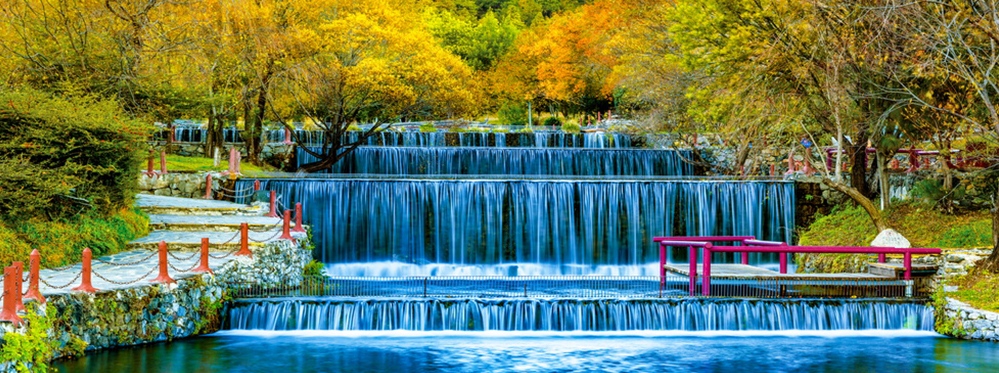
There's a particular stillness in the early morning when the world is still half-asleep, but the mountain spring is already singing. Its sound filters through the open window, not as a singular tone, but as a layered murmur—water tumbling over smooth stones, splashing against mossy banks, and gurgling through narrow crevices. It's a sound that feels ancient, as if it has been flowing through these rocks for centuries, and each droplet carries a story of the mountain. The melody isn't hurried; it moves at its own unhurried pace, inviting you to leave behind the urgency of clocks and calendars. In that moment, you're not just waking up—you're being welcomed into a rhythm that has nothing to do with the ticking of time.
Lying there, you notice how the spring's voice changes with the terrain it traverses. Closer to the source, it's a whisper, almost shy, as it seeps from the earth's hidden pockets. Further downstream, it gains confidence, laughing over pebbles and polishing them into gems. If you listen closely, you can also hear the occasional bird call piercing the watery chorus, or the rustle of leaves stirred by a breeze that carries the scent of damp earth and pine. This acoustic tapestry is never the same twice; a shift in wind, a fallen branch, or even the time of day can alter the composition. It's a gentle reminder that nature doesn't repeat itself—it only offers variations on a theme, and you're lucky enough to catch one performance.
Eventually, you rise, drawn not by an alarm but by curiosity. You step outside, bare feet cool on the dew-soaked grass, following the sound to its source. The spring itself is modest, a cleft in the rock where water wells up clear and cold, forming a small pool before it spills downhill. There's a simplicity here that feels like an antidote to the noise of modern life—no screens, no notifications, just the persistent, life-giving flow. As you cup your hands and taste the water, you realize the sound isn't just background noise; it's an invitation to reconnect with something elemental. The day ahead suddenly seems less cluttered, more spacious, as if the spring has washed away not just sleep, but the residue of a restless world.
Stories Carved in Dongba Script
The Dongba script, a living pictographic system used by the Naxi people in southwest China, preserves narratives that reach back over a thousand years. Unlike alphabets that simply encode sounds, each symbol in this ancient script carries a visual story—a mountain, a bird, or a ritual gesture—all woven into mythic accounts of creation, migration, and the spirit world. These tales aren't just written; they are recited by Dongba priests, whose chants bring the characters to life during ceremonies meant to heal, bless, or guide the deceased.
Many of the stories recorded in Dongba manuscripts feel remarkably intimate. One legend describes the journey of the first Naxi ancestors, guided by a sacred white bat across rivers and cliffs, with every obstacle immortalized as a stylized pictograph. Others offer moral lessons through animal fables, where clever toads or loyal dogs navigate a landscape thick with gods, demons, and half-human heroes. Because the script contains no standardized spelling, the same tale can look subtly different when carved by different hands, reflecting regional dialects and the personal touch of the scribe.
Today, a handful of devoted practitioners still carve these stories onto wooden strips or handmade paper, using ink mixed from pine soot. They work not just to archive the past, but to keep a spoken and visual language breathing in the present. Each stroke holds a double purpose: documenting folklore while preserving a worldview where nature, humanity, and the supernatural are bound together in an endless, evolving narrative.
A Taste of Naxi Life: Organic Flavors and Local Plates
In the mountain-ringed villages of Lijiang, the Naxi people have nurtured a food culture that feels inseparable from the land itself. Here, organic isn't a label but a quiet tradition—vegetables are pulled from backyard gardens fed by spring water, mushrooms are gathered in pine forests after the rain, and livestock graze on high-altitude pastures. Every ingredient carries the imprint of the seasons, and meals are a reflection of what the earth willingly offers rather than what can be forced. There's a gentle rhythm to eating this way, one that reconnects you to the soil beneath your feet and the crisp, clean air that surrounds it.
Sitting down to a Naxi meal is like opening a family album of flavors. You might start with a bowl of yak butter tea, its smoky richness balanced by the slight bitterness of brick tea, before moving on to baba—a thick, pan-seared bread that's crisp outside and chewy within, best torn apart by hand and dipped in local honey. Then come the grilled river fish, stuffed with wild herbs and cooked over an open flame until the skin crackles, or a hotpot filled with foraged greens, tender chunks of pork belly, and glass noodles that soak up a broth simmered for hours. Each plate arrives without ceremony but with an unspoken pride, the kind that comes from knowing exactly where your food was grown and whose hands prepared it. It's a taste not just of Naxi life, but of a slower, more deliberate way of being.
Hidden Courtyards and Timeless Architecture
Wander off the main avenues of the ancient city, and you’ll discover a world hidden in plain sight—courtyards that whisper stories of a bygone era. These secluded havens, tucked behind unassuming wooden doors and narrow passageways, offer a quiet escape from the bustling streets. Each courtyard tells a different tale, with weathered stone fountains at their hearts, climbing vines draping faded walls, and intricate tilework that has withstood centuries of sun and rain.
The architecture here defies the rush of modernity, standing as a testament to the hands that shaped it. There’s a raw elegance in the way arches frame a patch of sky, or how a beam of light slips through a lattice screen, painting shadows that shift with the hours. No two doorways are alike—some are adorned with carved arabesques, others with simple iron studs—but all share a silent dignity that makes you pause and look a little longer.
These courtyards aren’t just remnants of the past; they’re living spaces where clothes still sway on lines, pots of herbs scent the air, and the murmur of conversation drifts from behind shuttered windows. The architecture, with its thick earthen walls and cleverly placed windcatchers, keeps the interiors cool even in summer—a quiet wisdom forgotten by most. Getting lost here isn’t a mistake; it’s the reason you came.
Evening Rhythms: Music and Dance Under the Stars
As dusk settles and the first stars begin to flicker above, the evening awakens with a gentle pulse of rhythm. Beneath the vast, darkening sky, the open-air stage becomes a sanctuary where music and movement merge into a single, flowing expression. The soft hum of instruments tuning mingles with the whisper of a breeze, and there's a collective breath—a pause before the first note rings out, inviting everyone to let go of the day and step into the night.
The melodies that follow are not just heard but felt, traveling through the soles of bare feet on cool grass and into the swaying bodies of dancers who move as if guided by the constellations themselves. From the lilting strings of a folk tune to the deep groove of a hand-drummed beat, each piece tells a story without words, connecting strangers in a circle of shared motion. Laughter ripples, hips sway, hands clap, and for a few hours under the stars, the dance floor becomes a living tapestry woven from joy, spontaneity, and the simple magic of being present.
As the night deepens, the boundary between performer and audience dissolves, and the whole gathering becomes a single, breathing organism of sound and movement. Lanterns flicker, fireflies join the dance, and the music wraps around you like an old friend, reminding everyone that these rhythms are ancient and universal. When the final chord fades and the starlight remains, you're left with more than just a memory—it's a quiet reminder that some evenings are meant to be lived, not just observed, under the wide, watching sky.
Conversations with Village Elders: Wisdom Passed Through Generations
Sitting under the shade of an old banyan tree, I once listened to an elder recount how they predicted the monsoon not by weather reports, but by the subtle shift in the wind's scent and the behavior of ants. These conversations feel less like lectures and more like unfolding a living map of a world where every bird call and cloud pattern held meaning. The wisdom shared is not abstract—it is woven into the soil, the seasons, and the stories of survival and celebration that have shaped the community’s identity across centuries.
What often surprises me is how humor and humility lace their words. They don’t claim to possess all answers; instead, they speak of mistakes made and lessons learned through direct experience. One grandmother showed me how to weave a basket, her hands moving with muscle memory, all while she joked about her first attempts unraveling before her eyes. In that simple act, she passed on more than a skill—she gave me a lesson in patience and the joy of creating something useful without the pressure of perfection.
These exchanges are fragile threads connecting us to a past that textbooks often bypass. Sitting with village elders isn’t just about recording folklore; it’s about recognizing that wisdom is a living, breathing thing—carried in their laughter, their silences, and the way they still find wonder in a world that rushes past them. Every chat feels like a quiet invitation to see time not as a straight line, but as a circle where their stories become our compass for navigating the future with greater respect for all that came before.
FAQ
Unlike the bustling streets of Lijiang Old Town, Yushui Village remains a living, breathing hub of Naxi heritage. Stone-paved lanes wind past traditional wooden homes, and locals still practice centuries-old crafts. Here, you won't find staged performances—instead, join a family for tea, learn a few Dongba pictographs from an elder, or witness horseback trade caravans setting off at dawn, just as they have for generations.
Forget typical tourist checklists. You can try your hand at making yak butter tea with a village grandmother, hike through terraced fields to a hidden waterfall, or sit around a fire listening to Naxi love ballads. In autumn, press walnuts with your feet alongside farmers, and in spring, help plant rice seedlings. There's even a chance to craft your own handmade paper using traditional methods.
Late spring and early autumn strike the perfect balance—mild weather and fewer crowds. But if you're after raw authenticity, visit during the Torch Festival (lunar June) or the Sanduo Festival (lunar February). These aren't put on for tourists; you'll sweat shoulder-to-shoulder with locals, grabbing roasted barley flour and watching fiery displays under starlit skies.
The 30-minute drive from Lijiang's center snakes through ever-changing scenery—from urban fringes to pine-covered hills. Skip the highway: hire a local driver who'll share tales of the landscape. For the adventurous, an e-bike lets you stop at farm stalls selling sun-dried persimmons. The last mile is a dusty track that suddenly opens to a valley, with the village perched like a secret well kept for centuries.
You'll sleep in renovated Naxi courtyard homes, where creaky wooden floors and hand-carved window lattices tell stories. Choose a room with a fire pit for chilly nights, and wake to roosters and the smell of smoky hearths. Some hosts set up stargazing beds on rooftops—no telescopes needed, just the silhouette of Jade Dragon Snow Mountain against the stars.
Yes, with an open heart and a respectful guide. Dawn ceremonies at a small Bon-garnered mural often welcome quiet observers. If you're lucky, you might be invited to a coming-of-age tunic ceremony, where girls receive pleated skirts as a rite of passage. The key is to listen, never impose, and accept a bowl of rice wine when offered—it's their way of saying 'you're family now.'
Skip the menus with photos; eat where smoke rises from clay stoves. Must-tries include 'bbaba'—crispy buckwheat pancakes with wild honey—and stone-roasted river fish stuffed with mint. Join a family at dusk for 'huotui' cured ham that's been air-drying in rafters for months. And the Naxi blood sausage? Sounds bold, but the peppery, earthy kick might just haunt your dreams.
Absolutely. Kids become instant friends with village toddlers chasing ducks. They'll love feeding silkworms with a silk weaver, painting simple Dongba characters on stones, or helping a beekeeper extract honey from woven log hives. The village's gentle rhythm—free from jarring stimuli—gives families a rare chance to slow down together.
Conclusion
Yushui Village isn’t a place that tries to impress you—it simply invites you in. Mornings begin not with an alarm but with the quiet, persistent murmur of a mountain spring weaving through stone channels. The water has its own language, one that has shaped life here for centuries. Walking the village paths, you’ll notice something rare: the Dongba script—an ancient pictographic writing system—still etched into wooden beams and paper, not as museum pieces but as living records of stories, prayers, and daily life. It feels less like a tourist stop and more like a shared secret, handed down by the people who’ve called this valley home for generations.
Meals here are a quiet revelation: ingredients pulled from the same soil you’ve been walking on, cooked without fuss but with an instinct for flavor that only comes from deep tradition. You eat under wooden eaves, often in a courtyard hidden from the main lane, where the architecture itself—centuries-old timber frames, carved panels, stone courtyards soft with moss—makes you slow down. As daylight fades, the pace shifts. Music rises, often led by village elders whose hands know the old instruments by heart. Dancing under the stars isn’t a performance; it’s an invitation to join a rhythm that’s been passed along with stories and laughter. Sit with an elder afterward, and you’ll hear about the village not as a history lesson but as a thread in a much longer fabric, woven patiently, authentically, and entirely on its own terms.
Contact Us
Contact Person: Changhong He
Email: [email protected]
Tel/WhatsApp: 086-0888-5190152
Website: https://vip.e-baixing.com/ysh