
Waxed Cardboard Boxes Manufacturer Explains How Wax Coating Protects Produce During Transit
2026-10-25
When fresh produce travels from farm to store, it faces a bumpy ride. Moisture, friction, and temperature shifts can quickly turn crisp greens into spoiled waste. That’s where waxed cardboard boxes come in—a simple yet powerful solution that many overlook. As a leading waxed cardboard boxes manufacturer, ShiTeng Packaging knows exactly how that thin waxy layer acts as a shield. In this post, we’ll break down the science and practical benefits behind this often-unseen protection.
Moisture Attacks Cardboard Long Before Produce Shows Damage
Cardboard boxes look sturdy on the outside, but their real vulnerability starts at the microscopic level. The moment a refrigerated truck door opens into humid air, or a pallet sits on a damp warehouse floor, moisture begins soaking into the corrugated fibers. That thin layer of condensation you barely notice is already breaking the hydrogen bonds that give cardboard its crush strength. Within hours, the box corners soften, the side walls start to bow, and stacking strength drops by double digits — all while the leafy greens or berries inside still look perfectly fresh.
Growers and shippers often check produce for bruising or decay at the receiving dock, but by then the structural damage is already done. A box that fails during transport doesn't just collapse; it shifts the entire pallet, creating pressure points that bruise fruit days later. The real cost shows up weeks down the supply chain, when a retailer opens a case and finds crushed corners or torn flaps that were caused by moisture absorbed back at the cooler. That's why smart packing facilities now monitor the dew point at the loading bay, not just the temperature — because cardboard acts like a slow-motion moisture meter, and it always tells the truth before the produce does.
A Wax Layer That Repels Water Without Blocking Airflow
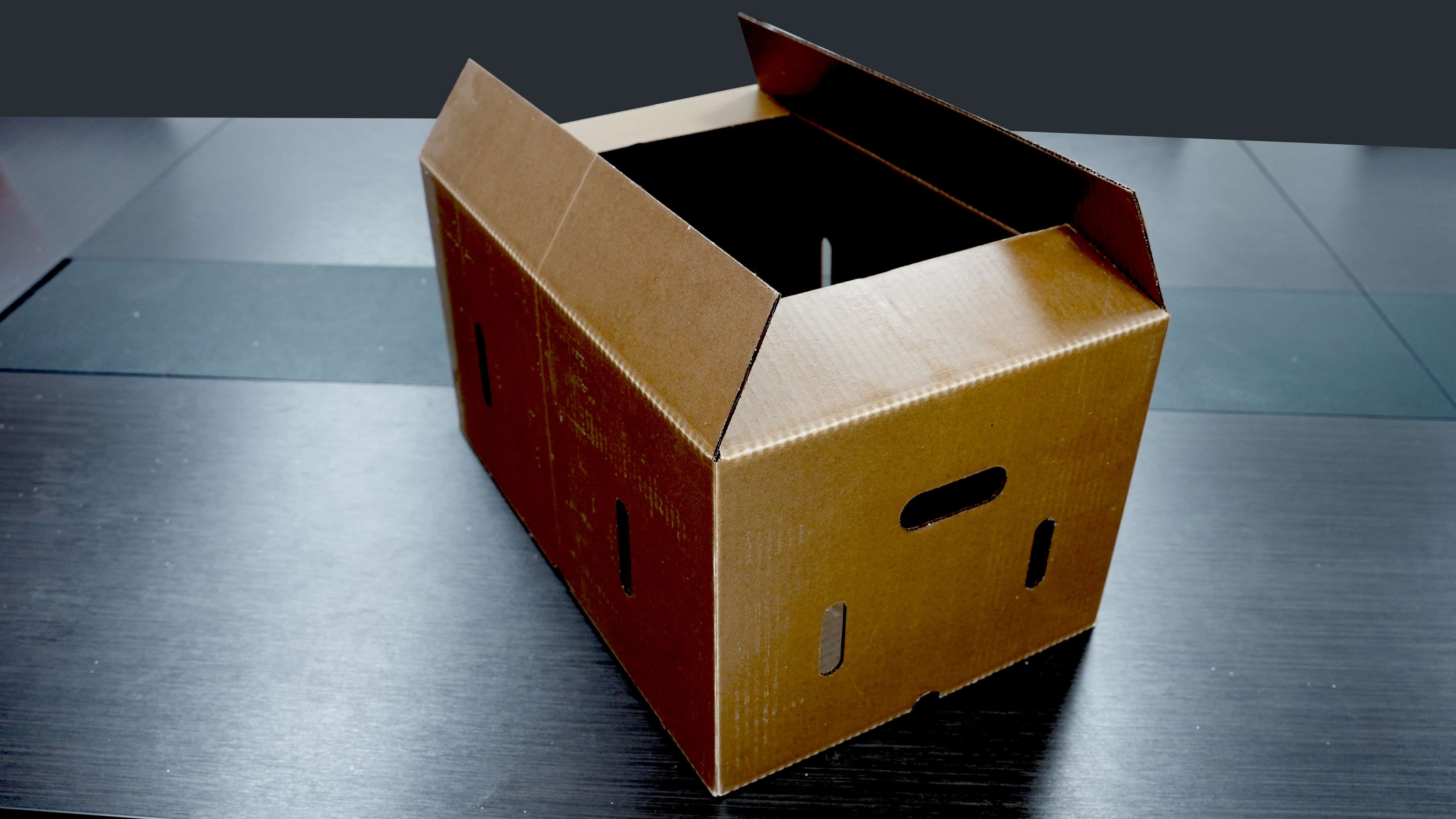
Imagine a jacket that sheds rain instantly yet never feels clammy inside. That is exactly what a wax layer engineered to repel water without blocking airflow delivers. Unlike conventional waterproof coatings that trap moisture and heat, this wax sits on the fabric as a microscopically rough, low-energy surface. Water beads up and rolls away, while air molecules slip through the tiny gaps between wax particles.
The trick lies in mimicking how lotus leaves work, but with a wax that can be applied at scale. The wax is applied not as a solid film, but as a porous network. Its hydrophobic chemistry pushes water away, but the openings between wax crystals are large enough for air to pass freely. This means sweat vapor and body heat escape, preventing the sticky, suffocating feeling typical of rubberized rain gear.
Practical uses extend far beyond clothing. Think of tent fabrics that stay dry outside but ventilate inside, or electronic enclosures that keep out rain while letting heat dissipate. Even footwear benefits: boots coated with this wax layer keep feet dry from puddles without turning into sweatboxes. The balance between water repellency and breathability has been a long-standing trade-off, and this wax layer finally tips the scale.
Stacked Crates, Shifting Loads, and the Need for Rigid Sides
When crates are stacked, individual boxes shift under vibration, causing misalignment. Without rigid side panels, the stack leans and pressure concentrates unpredictably. This leads to crushed corners or collapsed columns.
Rigid sides turn a pile of separate containers into a stable unit. They transfer lateral forces to the frame instead of the contents, so even if the cargo inside settles or moves, the outer dimensions remain fixed.
In transit, braking and cornering push loads outward. Flexible packaging bulges and loses stack integrity. Rigid side walls provide a defined boundary that resists outward pressure, reducing damage and making securing the entire stack simpler.
Condensation Is a Silent Threat During Overnight Transit
Most logistics managers never see it happen. A sealed trailer or container cools from daytime heat to a chilly night, and the trapped air releases moisture onto every cold surface inside. By morning, cardboard boxes feel damp, labels peel, and steel parts start to show faint rust spots. The damage is quiet but cumulative.
The real trouble is that standard temperature checks miss it. You can record an acceptable average and still unload cargo with hidden condensation pooling under shrink wrap or inside electronics packaging. Simple changes help: allow brief ventilation before sealing, use desiccants in high-risk loads, and avoid packing goods while the air is still warm and humid. Overnight routes need these habits more than daytime runs.
Different Crops Demand Different Wax Blends
Wax blends aren’t one-size-fits-all. Citrus fruits with their thick, pitted rinds hold up well under harder finishes like carnauba or shellac, which also help lock in moisture during long storage. Apples and pears, on the other hand, usually need a softer, more breathable coat because their skins continue respiring after harvest, and a heavy seal can leave them tasting dull.
Cucumbers and bell peppers often get a lighter food-grade wax that reduces shriveling without building up at the stem end, where excess coating tends to collect. Stone fruit like peaches and plums are trickier still: their thin skins and natural fuzz make them prone to bruising, so the blend has to be gentle enough to avoid a gummy feel while still slowing water loss.
Even within the same crop, growers may switch formulas based on storage length or market distance. A tomato trucked across the state might need little more than a quick rinse and a thin carnauba sheen, while one shipped internationally could require a blend with added plasticizers to keep the coating intact through temperature swings.
How Coating Holds Up From Field Heat to Cold Storage
The real test for any coating begins the moment produce leaves the field. Surface temperatures on a sunny afternoon can easily climb past 30°C, and that residual heat keeps driving moisture out of the fruit long after harvest. A coating has to stay intact under those conditions, not thinning out or sliding off before the crop even reaches the packing line. The best formulations are built to flex with the skin as it contracts slightly in the first hours of cooling.
Then comes the rapid transition into cold storage. Here the coating faces the opposite challenge: low temperatures and high humidity can make some materials turn brittle or milky. If the layer cracks or whitens, gas exchange becomes uneven and the visual appeal drops. A well-designed coating keeps its clarity and elasticity down to typical holding temperatures, usually just above freezing, so the produce keeps breathing slowly without shriveling.
What separates a reliable coating from a mediocre one is how little attention it demands across that temperature swing. It should form a continuous film in the heat, stay smooth through the cold, and never need reapplication. That stability is what allows growers and packers to move fruit from field bins to cold rooms without worrying about pinholes, peeling, or uneven coverage showing up later.
FAQ
It's a corrugated box that has been treated with a thin layer of paraffin or a similar wax blend. The coating acts as a moisture barrier on the inner and sometimes outer surfaces, preventing water, condensation, or produce sweat from soaking into the board.
Produce releases moisture as it breathes. Without protection, that moisture weakens the cardboard and can cause boxes to collapse. The wax layer stops liquid from being absorbed, so the box keeps its rigidity and the produce stays properly ventilated instead of sitting in a damp, sagging container.
It doesn't insulate like foam, but it does slow down the transfer of cold air escaping and warm air entering. Combined with proper ventilation slots, waxed boxes maintain a more stable microclimate around leafy greens, berries, or celery.
Definitely. Items like broccoli, sweet corn, or fish are often packed with ice. The wax coating handles direct contact with melting ice without the box turning soft. That’s something plain kraft boxes simply cannot do.
Recycling varies by local facility because waxed fibers need a different pulping process. Some programs accept them, others don't. Many growers now use a wax alternative or a water-resistant coating that breaks down more easily, so it's worth checking local guidelines.
High-moisture and field-packed produce sees the biggest benefit: lettuce, cauliflower, carrots, herbs, stone fruit, and wet-packed corn. Any item that sweats or is hydro-cooled before packing will stay in better shape.
It depends on how long the box needs to stay strong. A light curtain coat works for short dry shipments, while a full saturating wax dip is better for long-haul trips with repeated icing. Testing a sample box with your actual produce and cooling process is the only reliable way to know.
Conclusion
Waxed cardboard boxes aren't just coated for show. In real-world shipping, moisture from condensation and produce respiration starts attacking the fibers long before any visible bruising appears. That's why a properly blended wax layer works double duty: it repels water droplets on the outside while still letting air move through the corrugated walls, so the box doesn't turn into a sealed plastic bag. When crates get stacked high and trucks jostle around corners, the wax also stiffens the board just enough to resist buckling without adding weight. At night, as temperatures drop, condensation forms on cold surfaces—an uncoated box would soak that up, lose strength, and then collapse onto the produce below.
Different crops need different approaches. Leafy greens give off plenty of moisture and need a wax that allows fast vapor escape, while citrus with its oily rind needs a harder, more water-resistant finish. The same box also has to survive field heat when packed right after harvest, then a sudden drop to near-freezing cold storage. A well-tuned wax blend doesn't crack or flake off during that thermal swing; instead it flexes with the board, keeping the sides rigid and the contents protected from the first mile to the last.
Contact Us
Contact Person: Mr. Ge Man
Email: [email protected]
Tel/WhatsApp: 8613710506492
Website: https://www.shitengzx.com