
Water Chiller Supplier Tips for Choosing the Right Industrial Cooling System
2026-10-24
Choosing the right industrial cooling system is a decision that can quietly make or break your production line. Too small, and you risk overheating; too large, and you waste energy every single day. As a water chiller supplier with years of field experience, shairko has helped countless facilities avoid these pitfalls. In this guide, we’re sharing the practical tips that actually matter—so you can match your cooling needs without the guesswork.
Map Your Heat Load Before You Even Call
Walk the space with a notepad and mark every heat source you can see or feel. South-facing windows that bake by 2 p.m., a row of commercial ovens, a closet full of network gear, even the water heater tucked in the corner all count. If you skip this step, you'll end up guessing at half your load and paying for a system that fights itself.
Put rough numbers next to each item instead of chasing exact watts. Note square footage, ceiling height, insulation thickness, and how many hours the space runs at full tilt. If an old unit is limping along, write down its runtime and the rooms that never cool down. Those details give a contractor a real starting point and keep the conversation focused on your building, not a generic template.
This map doesn't need to be pretty or perfectly scaled. It just needs to show total heat sources, their locations, and your peak-use patterns. Once you have that, you can ask sharper questions about capacity, zoning, and placement instead of waiting for someone else to figure out your space from scratch.
Don't Let Oversized Become Your Default Setting
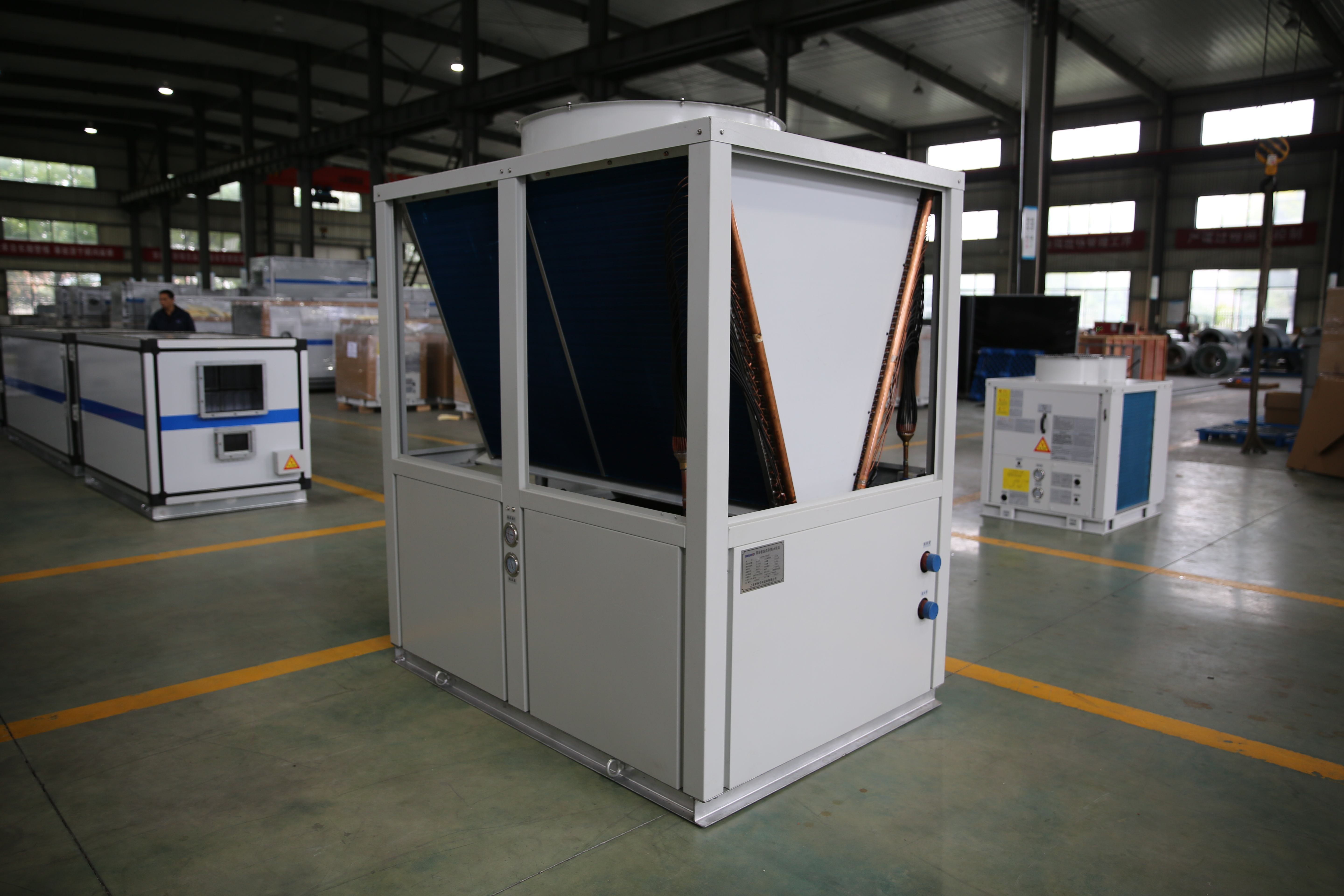
We've all done it—grabbed that oversized hoodie or baggy pair of jeans because it's the easiest thing to throw on. It feels like a warm, forgiving hug after a long day. But somewhere along the line, that occasional comfort choice can quietly become your everyday uniform. Before you know it, everything in your closet has the same shapeless silhouette, and you stop asking whether an item actually fits your body or your life.
There's nothing wrong with a relaxed fit now and then. The problem creeps in when oversized stops being a deliberate style choice and turns into an automatic default. That's when you lose the thread of your own shape—your shoulders, waist, and posture blur into a single unremarkable mass. Clothes should frame you, not swallow you. When you ignore proportion, you also start to ignore the details that make an outfit feel intentional: the crisp cuff, the shoulder seam sitting where it should, the way a jacket nips in just slightly to give you a clean line.
Try catching yourself next time you reach for something two sizes too big. Pause and ask: Am I choosing this because it feels like me, or because it's just the easiest thing to hide in? A well-fitted garment doesn't mean skin-tight—it means clothes that move with you, respect your proportions, and make you look awake rather than apologetic. Comfort and structure can coexist. The goal isn't to banish loose clothing entirely, but to make sure it's a conscious decision, not a reflex.
The Maintenance Question Most Buyers Skip
Most shoppers obsess over sticker price and flashy specs, yet hardly anyone asks the one question that predicts long-term satisfaction: how much hassle is this thing going to be? Take a vacuum cleaner, for instance. The filter might need replacing every three months, and if those filters are proprietary and pricey, the cheap upfront cost evaporates fast. Or consider a coffee maker with a boiler that scales up quickly in hard water areas — descaling becomes a monthly chore you never signed up for. These details rarely appear on the product page, but they define whether a gadget feels like a helper or a burden.
Another blind spot is parts availability. Some budget-friendly machines rely on consumables that are either hard to find or absurdly expensive a year later. Worse still, smart devices can quietly degrade when manufacturers stop supporting the software — features you paid for may vanish, and there is no easy fix. Buyers rarely think about these hidden maintenance loops because they are not visible during a demo or a quick unboxing video.
A smarter move is to dig into the manual or ask the seller directly: what breaks first on this model, and what does routine upkeep actually cost in time and money? The answers can save you from buying something designed to fail slowly. Remember, the purchase price is a one-time sting; maintenance costs are the bill you keep paying for years.
When Ambient Conditions Should Drive the Decision
Ambient conditions deserve the driver's seat when the core value of a space hinges on sensory continuity rather than programmable precision. Think of a wine cellar, where a fixed temperature setpoint matters less than steady, unfluctuating coolness; or a museum archive, where the slow, ambient stability of humidity prevents microscopic expansions and contractions in canvas and wood. In these cases, forcing a rigid schedule—cooling harder at noon, easing off at night—introduces unnecessary cycles that stress materials and inflate energy use. Letting the room's natural thermal lag and the local climate set the pace often yields a more protective, less intrusive environment.
Another cue for ambient-driven logic is when occupancy is sparse, irregular, or impossible to predict. A storage vault, a server closet tucked in a basement, a seasonal cabin—these spaces don't benefit from crisp setback schedules because there's no reliable pattern to track. The ambient path accepts the room's baseline drift and nudges it gently only when thresholds are breached. This spongy, tolerant approach avoids the whiplash of pre-cooling an empty room or reheating a space that was fine on its own. It's a quiet admission that sometimes the building knows better than the calendar.
Finally, consider the cost of intervention itself. Ambient conditions should drive when the energy or wear-and-tear of active conditioning outweighs the marginal comfort or safety gained. A shaded porch in a mild climate, a root cellar, a covered parking structure—these are places where human expectations align with the surrounding air. Pushing them toward a tight band of temperature and humidity doesn't improve function; it just adds noise, moving parts, and bills. The smart decision, then, is not to fight the ambient drift but to design the space so that the drift is acceptable in the first place.
Negotiating Beyond the Initial Price Tag
Most buyers fixate on the sticker price, but the real cost of a purchase rarely ends there. Shipping, installation, training, and ongoing maintenance can quietly double your total spend. A skilled negotiator shifts the discussion to these downstream expenses, asking for a break on freight, a longer payment window, or inclusive setup before agreeing to the headline number. Even a 2% price cut pales next to free onboarding that saves your team ten hours a week.
Beyond line items, consider the value of contract terms. A vendor might refuse to budge on price yet readily extend a warranty from one year to three, throw in priority support, or lock in renewal rates for five years. These concessions cost the seller little but protect you from future shocks. Requesting them signals that you are thinking long-term, not just squeezing a one-time discount, which can actually earn you more respect at the table.
To unlock these extras, ask open questions early: "What flexibility do you have outside of price?" or "Which add-ons do other clients find most valuable?" This reframes the negotiation from a zero-sum haggle into a search for mutual wins. Often the other side has unused inventory, spare capacity, or internal targets around service adoption—things they can offer more easily than a lower price. By exploring those levers, you walk away with a deal that is genuinely better, not just cheaper.
Future-Proofing Without Overpaying Today
A smarter approach to durable tech doesn’t require chasing every new release. Instead, focus on devices with modular components, longer software support windows, and repairability scores that actually hold up. This way, you get years of dependable use without the premium price tag that often accompanies “latest and greatest” hardware.
Think of it as buying the right tool for the long haul, not the flashiest one. Double-check upgrade cycles, battery replacement costs, and community repair guides before committing. Often, last year’s flagship or a well-built mid-range option delivers 90% of the experience at half the cost—leaving room in your budget for accessories or an extended warranty that truly matters.
Future-proofing isn’t about spending more up front; it’s about spending wisely where it counts. Prioritize expandable storage, user-replaceable parts, and open standards over gimmicks. That’s how you stay current without constantly opening your wallet.
FAQ
Start by calculating the exact heat load from your process—every motor, heater, and heat exchanger adds BTUs. Then add a buffer of 10–15% for hot days and wear, not 50% which just wastes energy.
A chiller rated at 75°F will lose capacity when the surrounding air is hotter or airflow is restricted. Place the unit away from walls and other heat sources, and check the condenser fins regularly.
Air-cooled units are simpler and fine for most indoor spaces if you have enough ventilation. Water-cooled makes sense when the heat load is very large or the ambient air is already hot and dusty, but you'll need a cooling tower or process water loop.
Plain water works only if the temperature never drops near freezing. Otherwise use a propylene glycol mix at the right concentration—too much glycol reduces heat transfer, too little risks freezing in the pipes.
If the compressor cycles on and off constantly, the unit is likely oversized. If it runs nonstop and can't hold the setpoint on a warm afternoon, it's undersized. Both shorten component life and raise energy bills.
Clean or replace filters and strainers monthly, check refrigerant pressures and water flow, and inspect electrical connections for tightness. Most breakdowns come from clogged condensers or low coolant, not from old age.
Yes for processes with changing loads. A fixed-speed compressor cycles on and off, wasting energy at partial load. A variable-speed or digital scroll compressor modulates output and keeps temperature stable, which often pays back within two years.
Ask for a full heat load calculation, piping and wiring diagrams, and a detailed commissioning report. Also confirm the warranty covers the compressor and heat exchanger separately, and get the spare parts list before you sign.
Conclusion
Choosing the right industrial cooling system starts long before you contact a water chiller supplier. Map your heat load precisely—understand the actual BTU or kW demand, including peak surges and any batch processes—so the supplier isn't guessing. Too often, buyers default to oversized units because it feels safer, but an oversized chiller cycles inefficiently, shortens component life, and wastes energy. Instead, match capacity to your real thermal profile, leaving only a modest safety margin. Also think about ambient conditions: if the chiller will sit in a dusty factory, a hot roof, or a humid coastal area, the condenser type, airflow, and corrosion protection matter as much as nominal tons.
Maintenance is the question most buyers skip at the quote stage. Ask how accessible the evaporator, filters, and control panel are; whether the supplier offers remote monitoring or a service contract; and what the typical downtime is for a compressor replacement. Negotiating beyond the initial price tag means looking at compressor type, part availability, and warranty terms—not just the sticker. Future-proofing without overpaying today often comes down to a chiller with modular capacity or a control system that can add pumps and sensors later. A supplier that walks you through these trade-offs—rather than pushing the biggest unit—is the one worth signing with.
Contact Us
Contact Person: Crystal
Email: [email protected]
Tel/WhatsApp: 8613524235353
Website: https://www.airkohvac.com