
Top Bending Machine Manufacturing Insights for Modern Fabrication
2026-11-02
In modern fabrication, bending machines have evolved far beyond basic metal forming—they now drive precision, speed, and flexibility across entire production lines. As manufacturers chase tighter tolerances and faster turnarounds, fresh insights into press brake design, CNC controls, and automation readiness are reshaping shop floors. At JIAN MENG, we've seen how the right bending technology separates leaders from followers. This guide cuts through the noise to highlight what truly matters in today's bending machine landscape.
The First Weld Reveals More Than the Final Spec Sheet
That first arc tells you more about the operator than any datasheet ever will. A steady hand leaves a bead with even ripples, no undercut, and a quiet hiss instead of popping. When the puddle wets out smoothly at the toes, you already know the settings are close, but the real signal is in the hesitation before striking—the way the welder checks root gap, cleans the mill scale, and positions the ground clamp like it actually matters.
Final spec sheets can be copied, adjusted, or typed to impress a purchasing agent. They won't show the slight weave that saved a thin section from burn-through, or the extra pass someone ran because the fit-up wasn't perfect. The first weld exposes whether the person behind the hood respects the metal, the machine, and the joint itself. If that first inch looks rushed, no amount of paperwork will make the rest trustworthy.
Why Frame Stress Relief Happens Before Machining
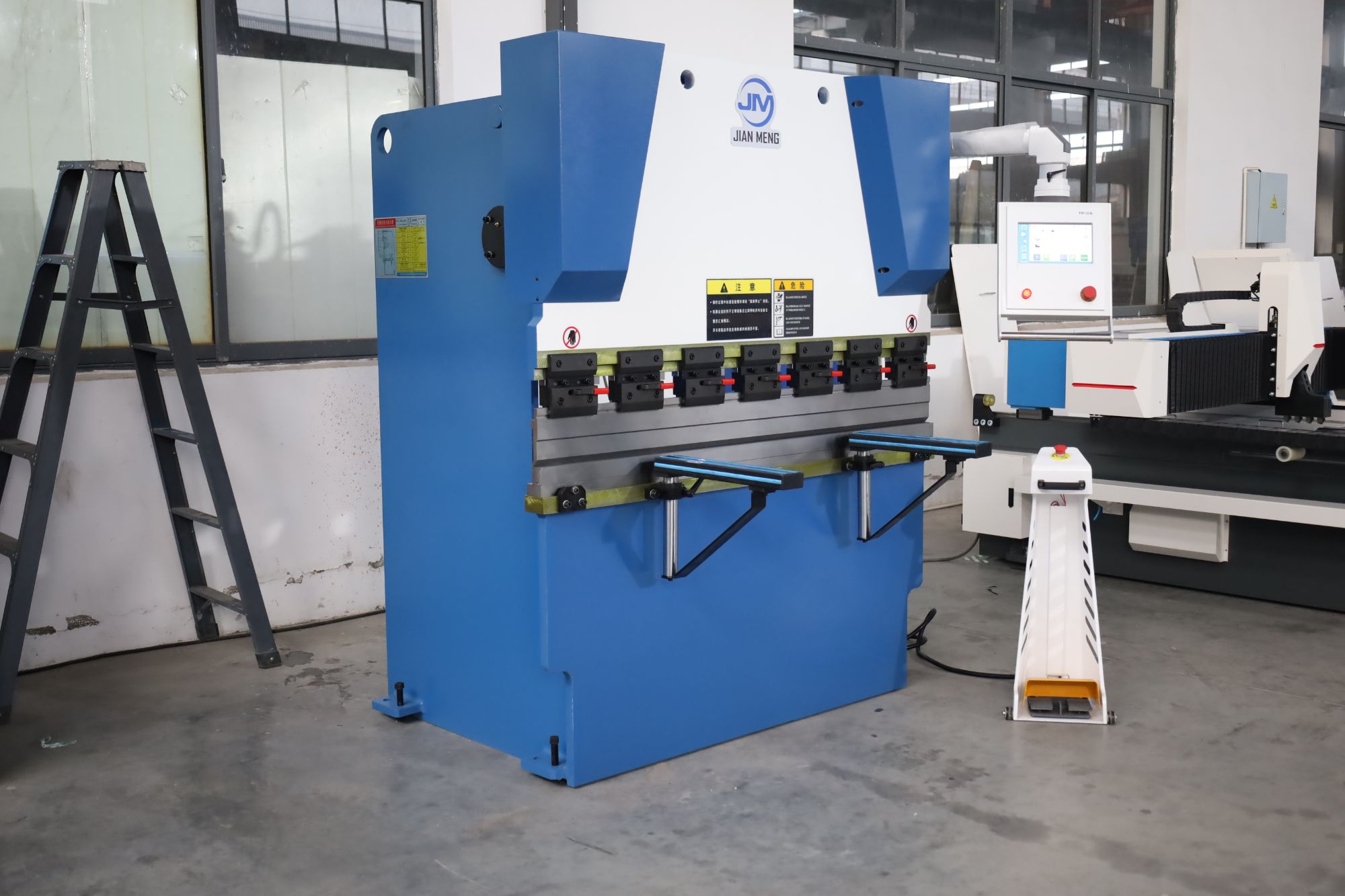
Welding a frame introduces uneven heating and cooling, which leaves locked-in stresses throughout the structure. If you machine first and then stress relieve, those stresses release unpredictably, warping bores, faces, and mounting surfaces. Doing stress relief before machining lets the metal move and settle while there’s still excess stock to clean up.
A frame that hasn’t been stress relieved acts like a spring. The moment you cut into a stressed section, the surrounding material shifts and your carefully dialed-in dimensions are no longer valid. Stress relief ahead of time reduces that internal tension, so the frame holds its shape during subsequent cutting, drilling, and milling.
There’s also a practical side: stress relieving before machining protects tooling and reduces scrap. Parts that move mid-operation cause chatter, broken tools, and out-of-tolerance features. By stabilizing the frame first, machinists can work to tighter tolerances without fighting the material, and the finished assembly stays aligned after installation.
Cylinder Matching: The Quiet Difference Between Good and Great
Ever wonder why two players can have nearly identical mechanics, yet one consistently hits the ball harder and more accurately? The answer often lives in the details of cylinder matching. It's not the flashiest part of a build, but the harmony between cylinder volume, barrel length, and porting creates a pressure curve that either works with you or against you. A slight mismatch might cost a few FPS, but a well-matched setup transforms shot consistency from 'good' to 'predictable at any range.'
Most builders focus on compression ratios and ignore the cylinder's role as the engine's breathing chamber. A cylinder too large for a short barrel wastes air and creates turbulence at the muzzle, while an undersized one starves the piston before it reaches full velocity. The quiet difference shows up in how smoothly the piston decelerates and how little muzzle report you hear relative to the energy delivered. When it's right, the gun feels calmer, sounds crisper, and groups tighter without any single spec standing out.
The practical side is equally telling. Tuning cylinder matching means measuring real-world air volume against barrel volume, accounting for port position and piston weight. It's a game of small increments—sometimes a 5mm barrel length change or a port shape tweak transforms a mediocre setup into a standout performer. Those who master this subtle relationship don't just build guns; they build systems that breathe in full cycles, and that's what separates trophy winners from the rest of the field.
Backgauge Alignment Tricks That Survive Shipping
Factory-set backgauges are square until the truck hits its first pothole. The clamping screws work loose, the eccentric adjusters rotate a hair, and you're left chasing a taper on the first job. One trick that survives freight is to drill and ream two holes through the backgauge carriage into the machine frame, then drop in hardened dowel pins before crating. On arrival, pull the pins, back off the carriage bolts, reinsert the pins, and torque the bolts in a cross pattern. The gauge lands back where it was, no dial indicator needed.
Another approach is a shop-made setting bar cut to the exact width between the side frames. Clamp it against the backgauge and scribe witness marks at both ends. After transit, loosen the gauge, slide the bar in, and watch the marks. If they line up and the bar slides with light drag, you're square. Finish by adding a paint stripe across each eccentric adjuster and its housing—any rotation during shipment shows up as a broken line before you even power on.
Electric Drive Decisions That Outpace Hydraulic Nostalgia
For years, plant floors have hummed with the steady drone of hydraulic power units, and plenty of engineers still swear by the brute force they deliver. But that attachment is starting to feel like keeping a flip phone in a 5G world. Electric drives now hit positioning tolerances that hydraulic systems can only dream of—often within a few microns—without the need for expensive servo valves, temperature-stabilized oil, or a dedicated room for the pump station. The moment you stop feeding a hydraulic system just to keep it awake, the energy savings become hard to ignore.
The real tipping point comes from maintenance and operational noise. Hydraulic setups leak, filters clog, fluid degrades, and every hose is a future failure point. Electric actuators, by contrast, have fewer wear parts and run quietly enough that you can hold a conversation next to a press. That silence isn't just comfort—it's a signal that energy is going into motion, not into heating oil. When you add regenerative braking and direct torque control, the electric option often pays for itself within a couple of years, especially in cyclic applications like injection molding or press brakes.
None of this means hydraulics are useless, but the decision to stay with them now often comes down to familiarity rather than performance. Choosing electric drive isn't a radical leap anymore; it's simply acknowledging that the machines we build should match the speed, precision, and data expectations of the rest of the factory. The nostalgic pull of high-pressure hoses and whining pumps fades quickly when you watch an electric axis hit the same force curve with half the footprint and zero oil stains on the floor.
How Factory Testing Mimics the Worst Shop Floor Abuse
Walk through any busy machine shop and you'll see equipment getting knocked around in ways that would void most warranties. Forklifts clip housings, operators lean full body weight on control panels, and dropped wrenches leave dents that would make a designer cringe. Factory testing doesn't just acknowledge this reality — it recreates it with startling precision. Engineers collect incident reports and maintenance logs, then turn that raw data into a battery of physical torture tests. A device that survives a simulated pallet drop onto concrete has earned its place on the floor far more convincingly than one that only passed a clean-room spec check.
The techniques are blunt, and that's the point. Pneumatic rams slam into enclosures at specific impact points, mimicking the exact angle of a hurried forklift collision. Vibration tables run at frequencies that mirror the rattle of a poorly balanced motor running nonstop for three shifts. Some tests go further, submerging units in cutting fluid or blasting them with metal shavings to see if seals hold. It's not about elegance; it's about finding the weak spot before a customer's line grinds to a halt. A surprising number of designs fail these staged beatings, sending engineers back to thicken a bracket or reroute a cable harness.
The result is a product that feels familiar to anyone who's worked a production line. The scratches and scuffs from testing become badges of resilience. When a new controller survives being dropped from a ladder or having a 50-pound steel plate rest on its corner, the shop floor stops seeing it as delicate lab equipment and starts treating it as a tool that belongs. That shift in perception matters more than any datasheet claim — factory testing earns trust by speaking the language of real abuse, not idealized performance.
FAQ
Modern machines stand out through real-time angle correction, servo-driven axes, and software that learns from each bend. Older equipment relies on manual adjustments and operator feel, which creates variation. The newer platforms close the loop between input, measurement, and adjustment, so even complex parts come out consistent without constant trial runs.
Precision control is the difference between parts that fit together and parts that need rework. With tighter tolerances in downstream assembly, fabricators cannot afford springback surprises. Advanced control systems measure bend angle during the cycle and adjust on the fly, reducing scrap and eliminating the need for test bends on expensive material.
Automated cells solve two problems at once: labor shortages and repeatability. When a cell handles loading, bending, and unloading, the same program runs identically every time. Shops can keep production moving across shifts without relying on highly experienced operators, and throughput climbs because the machine rarely waits for a human.
Sheet metal is never perfectly uniform. Thickness, grain direction, and hardness shift from batch to batch. A modern bending machine accounts for these variations through adaptive bending, where sensors measure actual material response and compensate immediately. Without that feedback, setups become guesswork, and the first few parts often end up as scrap.
The fastest way is to simplify changeovers. Tooling that clicks into place with hydraulic clamping, offline programming that queues the next job, and control screens that store proven recipes all cut the dead time between runs. High-mix work punishes machines that need frequent manual recalibration, so shops should prioritize fast setup over raw speed.
Consistent accuracy comes from checking ram parallelism, keeping guideways clean, and verifying tool alignment every few weeks. Small issues like worn dies or low hydraulic fluid can sneak up and create angle drift. A ten-minute daily inspection beats a costly mid-job failure, especially when orders are already tight.
Tonnage should match the thickest material and longest bend you expect to run regularly. If you are bending heavy plate or long parts, a machine pushed to its limit will deflect and lose accuracy. Buying extra capacity gives you room for future work and reduces wear on components, but overspending on tonnage you never use is wasted floor space.
Light curtains, laser guards, and two-hand controls protect operators without forcing a full stop on every cycle. Some systems slow the beam near the pinch point but maintain full speed elsewhere, so safety does not mean crawling through every bend. Modern guarding is about smart zones that keep hands out while letting production continue.
Conclusion
The first weld tells you more than any final spec sheet. On a press brake frame, the heat signature, penetration profile, and micro-porosity around that initial joint expose whether the fabricator truly controls distortion or merely hides it with later grinding. That's why serious manufacturers stress-relieve the frame before machining: cutting into a raw weldment releases locked-in tension, and only after normalizing do the bearing bores and ram ways hold their geometry. Pair that with matched cylinders—not just same-stroke units off the shelf, but pairs flow-tested and pressure-balanced so the ram doesn't crab under off-center loads—and you get a machine that repeats within microns instead of shims.
But a press brake survives shipping only if the backgauge is aligned to the tool centerline after the truck ride, not before. The clever shops use pinned reference edges and re-zero routines that take ten minutes, not a day. Then there's the electric drive question: servo-pump and direct-drive systems no longer just match hydraulics—they beat them in cycle speed, energy draw, and idle noise, while burning less heat into the shop. Finally, factory testing that matters doesn't run pretty demo bends. It cycles the ram into an unbalanced load, slams the backgauge into hard stops, and repeats until thermal drift shows up. That's the abuse your worst operator will dish out, and the machine either proves it can take it or it doesn't leave the floor.
Contact Us
Contact Person: Jeanie
Email: [email protected]
Tel/WhatsApp: +86 19805122954
Website: https://www.jianmeng.com