Shoelace Solutions That Keep Your Shoes Comfortable All Day
2026-11-02
Most foot fatigue isn't caused by the shoes themselves but by how they're laced. Uneven tension, stiff materials, or a too-tight pattern can turn a comfortable pair into a midday regret. The right shoelace solution changes that, redistributing pressure and keeping your feet at ease from morning to night. YONGFENG has been refining exactly this—shoelace solutions that keep your shoes comfortable all day—and their work might be the upgrade your feet have been waiting for.
Rethink Your Lacing Pattern for Pressure Relief
Most of us learned one lacing pattern as kids and never questioned it—crisscross from bottom to top, pull tight, done. But if you've ever felt a sharp ache across the top of your foot after a long walk, or noticed red marks where the laces dig in, that default pattern might be working against you. Traditional cross-lacing often concentrates force right over the highest point of the arch, which is exactly where many people are most sensitive. Rethinking how you thread those laces isn't just a fad; it's a practical way to move pressure away from trouble spots without buying new shoes.
A good starting point is to skip one or two eyelets in the midfoot area. For example, instead of crossing at every single pair, go straight up on one side for a couple of holes, then resume the crisscross. This creates a small "window" that relieves direct pressure on the instep while still keeping the shoe secure at the heel and toe. If the heel slips, try a heel-lock lacing at the top—using the extra eyelet to create a loop and pull the heel back into the cup—while keeping the midfoot section looser. That split-tension approach lets you fine-tune where the shoe grips and where it gives, which is far more effective than just loosening everything.
Foot shape changes throughout the day, and so does the ideal lacing tension. If you have high arches, start the lacing pattern from the second set of eyelets rather than the very bottom, leaving the toe box roomier and reducing pinching across the ball of the foot. For flat feet, try a lateral lacing variation that feeds the lace down through one side and up through the other, shifting pull toward the outside of the foot and away from the inner arch. Spend a few minutes experimenting with these adjustments on a short walk—you'll likely notice pressure points fading without any other change to your footwear. The best lacing pattern isn't the one you were taught; it's the one that lets your foot move without a fight.
Choose Laces That Flex With Every Step
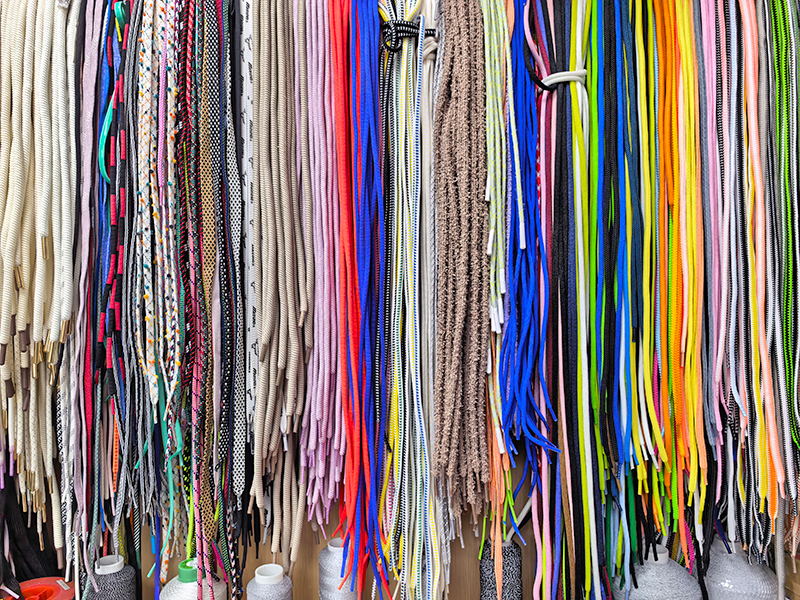
Laces that move with your feet do more than hold your shoes together. They absorb the small stretches and shifts of every stride, so you don't feel that tight bite across the top of your foot after a long walk. Look for laces with a slight give, woven from fibers that recover quickly rather than staying stretched out.
A good flex test is simple: pull a lace between your fingers and feel how it responds. It should extend a little without going limp, then snap back into shape. This kind of resilience keeps your knot secure while letting your foot swell naturally as the day goes on. Stiff laces fight that movement, often causing pressure points or coming undone at the worst moments.
When you swap in laces that bend and rebound with each step, the whole shoe feels more responsive. You'll notice fewer mid-run adjustments and less need to re-tie. Over time, that small change can make a big difference in comfort, especially on uneven ground or during all-day wear.
Stop Heel Slippage Without Overtightening
A better way to stop heel slippage is to use a heel lock lacing pattern instead of cranking down every eyelet. The last two eyelets create a loop that pulls the heel back into the cup without squeezing the top of your foot. It sounds fussy, but once you try it, you'll wonder why every shoe doesn't come laced this way.
Another overlooked factor is sock thickness and texture. Slippery socks reduce friction and let your heel slide up and down. Choose socks with a bit of grip at the heel or a lightly terry-lined footbed. Even swapping to a slightly thicker wool blend can fill the tiny gap between your heel and the shoe collar, no extra lace tension needed.
If lacing tweaks and socks aren't enough, try a thin heel grip or adhesive pad placed inside the shoe's heel counter. These add local friction and take up excess space without creating pressure points across your instep. The goal is to solve the movement where it happens, not make the whole shoe tighter.
The Case for Stretch-Free Materials in High-Wear Zones
When a fabric stretches, the individual yarns shift against one another. In high-wear zones like knees, elbows, and seat areas, that movement turns into abrasion from the inside out. Every step or bend forces fibers to rub, fray, and eventually fail. Stretch-free materials eliminate this internal friction because the weave stays locked. The result is a garment that wears evenly and lasts far longer than its elastic counterparts.
There is also a structural advantage. Stretch fabrics rely on elastane or similar polymers, which degrade with heat, washing, and time. Once those stretch fibers break down, the garment loses its shape and becomes baggy or misshapen. A rigid weave, on the other hand, holds its geometry. High-wear zones stay flat, supported, and resistant to the kind of sagging that leads to premature thinning and holes.
Finally, stretch-free materials offer more predictable performance under load. When you kneel or sit, the fabric does not distort away from pressure points. Instead of thinning out, it holds its density. For workwear, outdoor gear, and any garment subjected to repeated stress, choosing a non-stretch construction is a deliberate move toward durability. It trades a bit of initial give for long-term integrity where it matters most.
Quick Midday Adjustments That Take Seconds
Instead of reaching for another coffee, try a few micro-resets that fit between meetings. Roll your shoulders back, tilt your head side to side, and focus your eyes on something at least 20 feet away for half a minute. It sounds trivial, but this short visual and muscular break stops the afternoon slump before it locks in.
A quick desk tweak can also shift your energy. Lower your chair half an inch, move your phone out of arm's reach, or swap overhead lights for a small warm lamp. These changes take less time than finding a new tab, yet they nudge your body out of autopilot and make the next hour feel less like a slog.
Why Lock Lacing Works Better Than Double Knots
Most people assume a double knot is the safest way to keep laces from coming undone, but that extra loop doesn’t really solve the root problem. A standard double knot still relies on friction between two bows, and under repeated foot flexing or lateral movement, that friction gives out. Lock lacing flips the approach: instead of piling on more knots, it changes how the lace crosses the top eyelets so the tension is anchored at the sides of the shoe. This creates a mechanical hold that stays tight even when the laces themselves are pulled or snagged.
The other big advantage is release. Double knots often turn into a tight, stubborn ball after a long run, especially if they got wet or muddy. Lock lacing keeps the lace path simpler, so one firm pull on the ends loosens the whole closure without digging at a knot. Runners and hikers tend to notice this most on descents or uneven ground, where toe pressure pushes the foot forward and ordinary knots gradually loosen. With lock lacing, the heel stays seated and the midfoot stays locked, so you’re not stopping mid-activity to retie.
FAQ
Try skipping the first set of eyelets and starting the lacing at the second row. This reduces pressure over the instep and feels noticeably better within minutes, especially if you have high arches.
They can be, but it depends on the lock. Look for elastic laces with a sturdy cord lock or toggle rather than those that rely on stretch alone. For trail running, many people pair them with a heel lock lacing pattern and find them secure.
Feet swell slightly as the day goes on, especially in warm weather or after standing for a long time. Instead of keeping one lace tension all day, loosen the middle section a bit after lunch. A lacing pattern that allows independent tension zones helps more than just loosening the top.
Yes. A heel lock, or runner's loop, using the top two eyelets creates extra friction around the ankle collar and keeps your heel from sliding. It takes a minute to learn but makes a big difference if you're on your feet for hours.
Flat cotton or modal laces tend to be softer and less likely to create hot spots than thick round synthetic laces. Some people also prefer oval laces with a slight give. Avoid anything with stiff aglets that can press into the top of the foot.
Swap the standard bow for a secure knot like the surgeon's knot or double slip knot. If you'd rather not change your knot, tuck the loops under a lace bar or use a lace anchor. For work shoes, many nurses use a simple lock lacing plus a tucked bow.
They can, but you need to set them up carefully. Because no-tie systems rely on even tension, they can feel restrictive if you have a wide forefoot. Start with the laces very loose, then gradually tighten only until the shoe stays on—not until it feels snug.
Try straight bar lacing across the midfoot and a firmer cross pattern near the ankle. This gives arch support without squeezing the widest part of the foot. Combine that with a moderate heel lock, and it often relieves the ache that comes from overpronation.
Conclusion
A surprising amount of foot fatigue and pressure points can be traced back to the way shoes are laced, not the shoes themselves. Rethinking your lacing pattern is the first step toward genuine relief. For instance, skipping every other eyelet over the instep opens up space for high arches, while a parallel lacing style spreads tension evenly across the top of the foot instead of concentrating it at one or two spots. Pair that with laces that actually move with you—options made from flexible fibers or with a slight give—and each step feels less like a tug-of-war between your foot and the shoe. Rigid, unyielding laces tend to dig in as your foot swells throughout the day, but flexible ones absorb that change without making the fit feel sloppy.
Heel slippage is another common culprit, and the answer isn't always to pull everything tighter. Lock lacing, where you thread the lace through the top eyelet to create a friction loop, grips the heel without strangling the ankle or cutting off circulation. That targeted hold works far better than a double knot, which mainly stops laces from coming undone but does little for fit. In high-wear zones like the toe crease or the sides of the foot, stretch-free materials prevent the shoe from loosening over time, so the fit you set in the morning stays consistent. And if things do start to feel off, a five-second midday tweak—loosening just the midfoot or re-lacing one side—can reset comfort without a full retie. Small changes, applied thoughtfully, keep your feet happy from morning to evening.
Contact Us
Contact Person: Mr Deng
Email: [email protected]
Tel/WhatsApp: +86-18926872657
Website: https://www.uniyongfeng.com/