
Rubber Profiles Extrusion Line Supplier Tips for Selecting a Reliable Production Partner
2026-11-16
Finding the right rubber profiles extrusion line supplier is about more than comparing specs and delivery promises. It hinges on whether the supplier can support your profile tolerances, die performance, and day-to-day uptime once production starts. SFC has seen how costly mismatches can be, and this guide walks through the practical checks that help you spot a truly reliable production partner before committing.
Engineering Depth Shows Up in the Questions a Supplier Asks You
Anyone can ask how many pieces you need and when you need them. The questions worth paying attention to sound more like: what is the dwell time at peak current? Is that adhesive expected to survive thermal shock from -40°C to 85°C? How flat is the mating face after molding? Those come from someone who has watched parts fail and knows which details quietly determine whether a product works at 2 a.m. in a customer's hands.
The change after the first quote matters more than the initial conversation. A supplier that goes quiet once pricing looks acceptable is usually hoping the print is enough. One that starts asking about tolerance stack across the assembly, your incoming inspection method, or the exact torque sequence on the housing is already testing the design, not just quoting it. That kind of interrogation is inconvenient in the moment, but it is the clearest sign the supplier is acting as an extension of your engineering team rather than a catalog with a phone number.
Demand More Than a Tolerance Chart Before You Commit
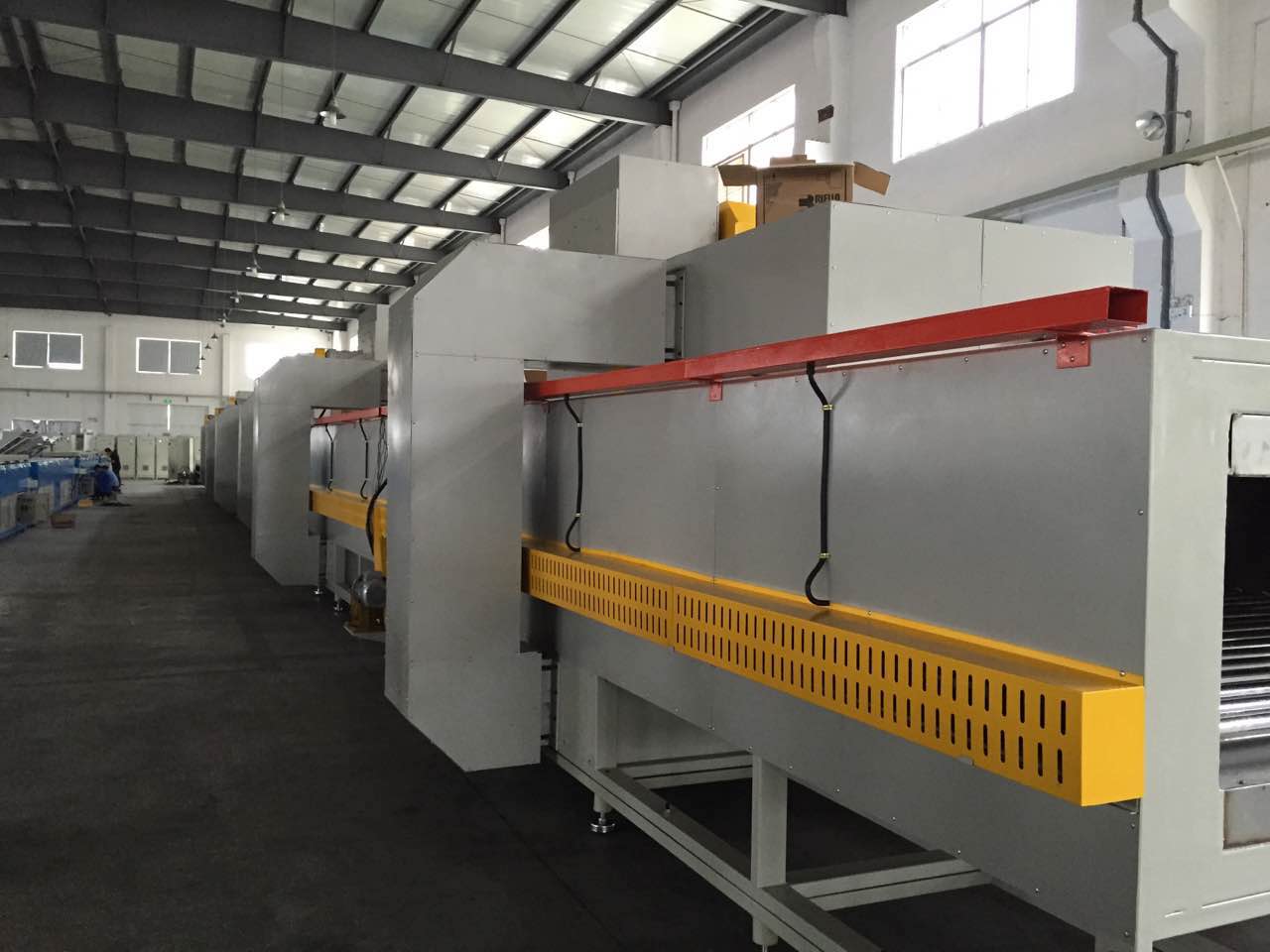
A tolerance chart tells you where the edges are, but it does not tell you whether a supplier has ever stayed inside them. Before you sign off, ask for the actual spread of their last few production runs, not just the nominal drawing. If the process mean drifts toward one limit and the chart still says “in spec,” you are buying a future nonconformance.
Push for capability data that goes beyond a static rectangle. Request Cpk or Ppk values, gage R&R results, and raw inspection logs tied to specific lot numbers. A machine shop can hand you a chart with ±0.05 mm all day; fewer will show you the out-of-control points they caught mid-run or the tool wear pattern that forced a mid-batch adjustment.
Also pay attention to how the numbers are produced. If the measurement method cannot resolve a tenth of the tolerance band, the chart is decoration. Demand a clear link between the dimensions, the instruments used, and the person who signed the report. That kind of traceability matters more than another colored spreadsheet.
A Factory Walkthrough Exposes What a Polished Pitch Cannot
The first thing a walkthrough reveals is texture. A practiced pitch may describe capacity, certifications, and lead times, but it rarely mentions the uneven floor near the loading dock, the faint smell of hot lubricant by the presses, or the way a supervisor has to raise his voice over the irregular clatter of a punch machine. Those details matter because people build their routines around them. An operator might wedge a folded piece of cardboard under a fixture until the correct shim arrives, while a pallet of rejected housings sits near the shipping lane with a handwritten tag reading hold for re-inspection. None of that appears in a presentation, yet it says more about daily discipline than a mission statement ever could.
A walkthrough also exposes the gap between how material is supposed to move and how it actually moves. The wall chart shows a clean, color-coded flow, but the real path bends around excess inventory stacked beside the assembly line and pauses at a workstation where two shifts share one calibration tool. You begin to notice piles of work-in-process that were never mentioned in the pitch because they should not exist. More revealing is how people respond when you ask about them. One manager points to a supplier delay and a rushed changeover; another calls the pile a temporary buffer. The answer tells you whether the plant solves problems or simply decorates them for visitors.
The smallest artifacts often carry the most weight. A maintenance board with some entries initialed and others left blank, a row of torque wrenches with one missing from its clip, a scrap bin filled above the line marked on its side. A polished pitch can show clean aisles and professional photography, but it cannot fake the fine metal dust gathered on an overhead light or the fact that the newest hire knows exactly which machine drifts out of tolerance after lunch. Those signals separate a managed factory from one that is merely presented well.
Support After Startup Separates Transactional Sellers from Partners
A vendor who goes quiet once the invoice clears isn't a partner, no matter what the contract says. Transactional sellers treat the handoff as the finish line. They pass you to a generic support queue, and every issue becomes a test of your patience. A real partner treats the first weeks after launch as the most telling part of the relationship—because that's when the product actually has to work inside your operation, not in the demo.
What separates the two isn't just response time; it's accountability. Transactional support teams close tickets. Partner-led support teams ask what broke, why it broke, and whether it will break again under your conditions. They know your account history without making you repeat it. They flag integration quirks before you find them at 9 p.m. That kind of attention cannot be scripted into a knowledge base.
You rarely see the difference in a sales call. Both sides promise reliability, smooth onboarding, and a dedicated contact. The split becomes obvious later—when a workflow stalls, when a billing question turns into a configuration problem, or when an update changes behavior you depended on. At that moment, the transactional seller gives you a ticket number. The partner gives you an answer and owns the outcome.
Line Flexibility Only Matters If It Matches Your Real Product Range
A flexible line looks impressive in a presentation, but on the production floor it quickly becomes a bottleneck if the equipment cannot actually run the variants you sell. The real test is not whether a line can switch between formats in theory, but whether it can switch between your formats at the speed, volume, and consistency your orders demand.
That means moving past generic changeover claims and looking closely at how the line handles your slowest-moving SKU, your most awkward pack size, and the seasonal product that always disrupts the schedule. If the range is designed around the machine instead of the machine around the range, flexibility is just a word on a spec sheet.
Lines that hold up over time are built from an honest map of current products and a realistic view of what might come next. Anything else adds cost without adding capability.
Slow Quotations, Vague Specs, and Other Early Warning Signs
A slow quotation rarely arrives with an apology that explains anything useful. It shows up late, after several follow-ups, with no mention of what caused the wait. The deeper problem is that delay creates a small power shift: the buyer has already lost time, so the supplier can assume the buyer is more committed than before. That imbalance rarely disappears once the contract starts.
Vague specs operate the same way but hide in plain sight. Phrases like 'or equivalent' and 'to be confirmed' sound flexible, yet they usually protect the person writing the quote, not the person reading it. If a critical material, tolerance, or delivery window is left open, you are not being offered flexibility. You are being handed the job of defining the contract later, after the leverage has moved.
Other signs tend to cluster around small inconsistencies. A price shifts by a few percent between two emails. A technical question gets a sales answer. A promised sample never arrives, but a contract does. Each detail is easy to ignore on its own, which is exactly why they work as warnings.
FAQ
Ask for examples of past projects that involved similar profile shapes, material compounds, and tolerance demands. A supplier with in-house die design and process simulation capability usually spots potential problems before the line is installed, which saves time later.
Request case studies or a trial run using your own rubber compound rather than relying on catalog images. Detailed questions about die correction loops, trial protocols, and who takes responsibility when dimensions shift will reveal how deep their custom work goes.
Rubber compounds vary widely in scorch time, viscosity, swelling, and curing behavior. A supplier needs to understand how screw geometry, temperature zones, and line speed affect dense and sponge profiles. Without that knowledge, you can end up with surface defects, porosity, or uneven cure.
Support after commissioning often decides whether a line stays productive. Check typical response times, spare part availability, remote diagnostics, and operator training. A partner with a clear maintenance schedule and local service coverage helps keep downtime from turning into a major loss.
Look for inline measuring systems that track dimensions, weight per meter, hardness, and curing consistency during production. Ask how the supplier proves process capability before shipment and what kind of batch documentation you will receive with the equipment.
Vague technical answers, no references in your specific industry, hesitation to run trials with your compound, unclear warranty terms, or quotes that skip details like energy use, changeover time, and safety features are all reasons to pause.
Choose modular equipment that allows adding downstream operations such as cutting, punching, flocking, or co-extrusion later. Also confirm control system compatibility and whether the supplier supports upgrades and retrofits as your product range changes.
Conclusion
The real filter in choosing a rubber profiles extrusion line supplier often appears before any quote is signed: the kind of questions the supplier asks. A supplier with genuine engineering depth will probe your material hardness range, filler loadings, profile tolerances in thin walls or hollow sections, line speed targets, and how often you expect changeovers. If the conversation stays at price and delivery, treat that as a signal. You also need more than a dimensional tolerance chart. Ask for examples of similar profiles they have run, how they control shrinkage and die swell, and what happens when compound viscosity shifts between batches. A factory visit adds another layer. Watching a line run your sample, seeing how the supplier assembles and tests downstream equipment, and noticing whether operators are involved in development reveals far more than a polished presentation. Clean marketing materials do not compensate for missing in-house trials or weak process documentation.
Support after startup is where transactional sellers separate from partners. Clarify whether training covers real compound changeovers rather than a single demo recipe, how quickly service engineers can respond, and whether critical spare parts are stocked locally or only shipped from distant warehouses. Line flexibility should not be measured by a brochure list of possible materials. It matters only if the line can switch between your actual profiles without excessive downtime, scrap, or recalibration. Early warning signs are usually quiet: slow quotations, vague technical specifications, hesitation to share reference contacts, or an inability to explain why one component is better than another. A reliable production partner tends to answer directly, admit constraints, and offer evidence from past installs instead of relying on broad claims.
Contact Us
Contact Person: Chen Zhengwei
Email: [email protected]
Tel/WhatsApp: +86-13963975727
Website: https://www.sfcrubbermachine.com