
OEM Pizza Sauce Secrets Every Pizzeria Owner Should Know
2026-11-16
Every pizzeria owner obsesses over dough and toppings, but the sauce? It’s often the overlooked workhorse that makes or breaks a slice. The real OEM pizza sauce secrets aren’t about using more garlic or basil—they’re about consistency, shelf life, and a flavor profile that survives the oven. That’s where HONBURG FLAVORMAKER comes in. Before you settle for another bland, off-the-shelf marinara, find out what the smartest pizzerias already know.
The Ingredient Your Sauce Supplier Won't Mention on the Spec Sheet
There’s a line item missing from most sauce spec sheets, and it’s not a spice blend or a preservative. It’s the water added after cooking to bring the batch down to the right consistency. On paper, your sauce looks like a dense mix of tomatoes, vinegar, and seasonings. In the drum, a meaningful percentage of that volume is just dilution.
Suppliers rarely call this out because it doesn’t change the listed ingredients—it just changes the concentration. A batch might start at 28 Brix and get standardized to 22 by topping off with water. Same flavor targets, lower raw material cost per unit, and a spec sheet that still reads like a premium recipe.
Next time you audit a sauce supplier, ask for the post-cook dilution percentage or the water addition during standardization. If the answer feels vague, compare the cost per dry matter instead of per kilogram. That missing line item is often where the margin hides.
Why 'Same Recipe' Doesn't Mean Same Sauce Across Batches
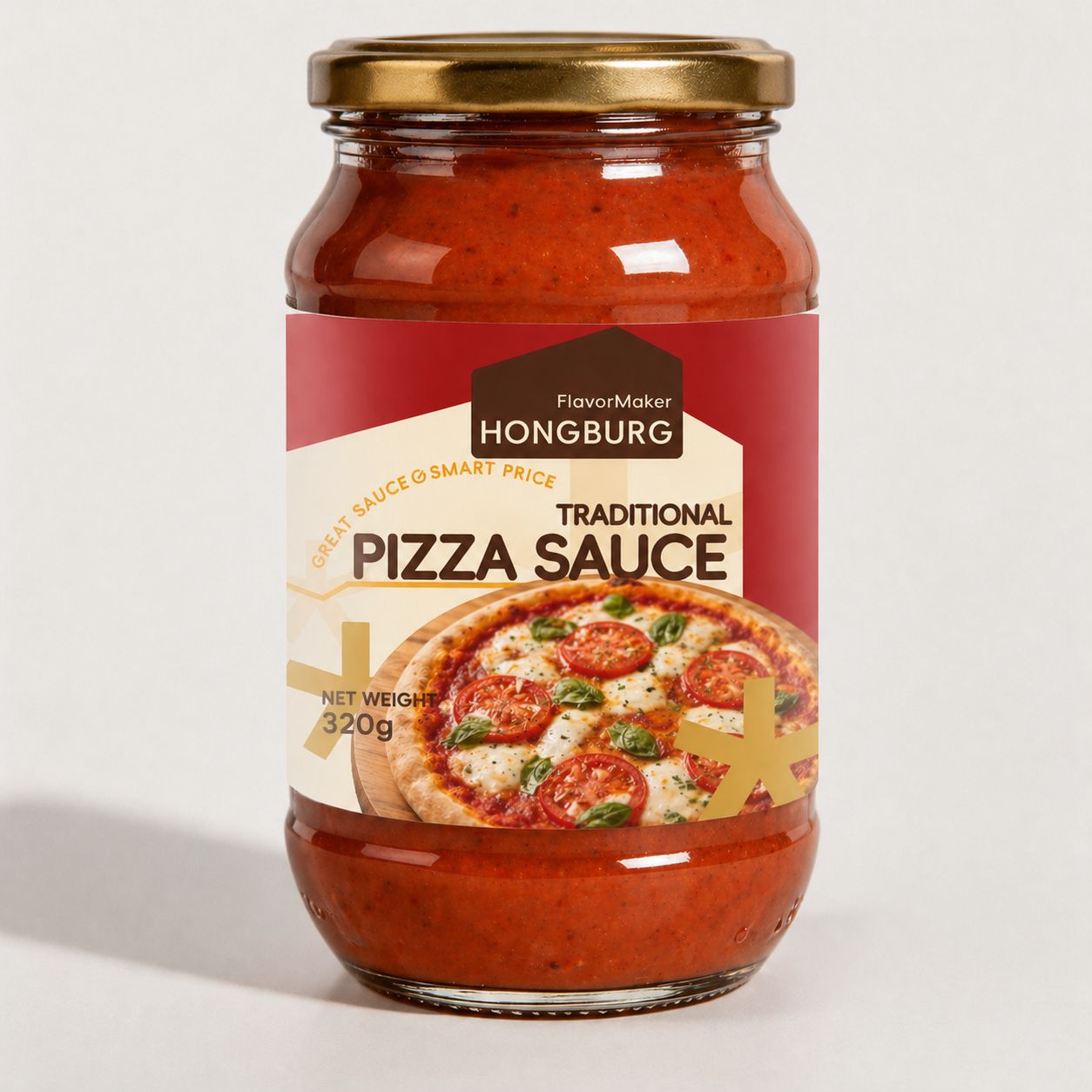
Even if you follow the same written recipe to the letter, the sauce still shifts from batch to batch because your ingredients are never truly identical. Tomatoes vary in water content and acidity depending on the season and soil they were grown in. Onions and garlic can be sharper or sweeter, and dried spices lose potency as they sit in the pantry. A sauce made in late summer with peak-season tomatoes will taste different from one made in winter with canned or hothouse fruit, even if the measurements match exactly.
The cooking process itself introduces variation that a recipe can't fully capture. The heat under the pot may run a little hotter or cooler, the simmer might last a few extra minutes on a busy afternoon, and the humidity in your kitchen changes how quickly liquid evaporates. Those small differences alter how sugars caramelize, how acids mellow, and how flavors concentrate. The same sauce can end up thicker, sweeter, or more acidic without you changing a single written instruction.
Your own hand and senses also play a bigger role than the recipe suggests. You may blend a little longer, stir more or less often, or decide that the sauce "looks right" a few minutes before or after the timer goes off. If the sauce is fermented or aged, the microbes and temperature swings in your kitchen add another layer of unpredictability. So "same recipe" is really a starting point, not a guarantee—each batch is a fresh negotiation with the ingredients and the day you happen to be cooking.
What a $0.03 Per-Pizza Sauce Upgrade Actually Does to Your Margins
A three-cent sauce upgrade sounds like rounding error until you multiply it across a real week. At 400 pizzas per week, that's $12 in added food cost—money that comes straight off the bottom line. Over a year it's $624 for a single location. If your net margin runs 7%, replacing that profit requires roughly $8,900 in extra annual sales just to stand still. That's not dramatic, but it's the kind of quiet leak that chains with 20 or 30 stores feel as a $12,000 to $18,000 annual hit without moving a single extra pizza.
The more dangerous effect shows up when the upgrade doesn't actually change what customers are willing to pay. Many owners assume a better sauce will lift ticket averages, but in blind taste tests most regulars can't distinguish a $0.06 sauce from a $0.09 one. So you end up with the same menu price, lower margin, and no volume gain. Before approving any per-unit increase like this, run the break-even: divide the added cost by your current contribution margin per pizza. For a pizza contributing $4.00, that $0.03 means you need to sell one extra pie for every 133 you already sell just to recover the added ingredient cost. If that extra volume isn't realistic from a sauce swap, the upgrade is a donation to your supplier.
The Nightmare of Switching Sauce Suppliers Mid-Summer (and How to Avoid It)
Every pitmaster knows that July isn't the month to gamble with your sauce line. The moment you swap suppliers mid-summer, you're inviting trouble: hotter kitchens, impatient customers, and delivery trucks that seem to melt in traffic. One late shipment of your signature bourbon glaze during a holiday weekend, and you're serving naked ribs while your regulars ask why the sauce tastes different. It's not just about logistics—it's about protecting the flavor profile you've spent years building, right when everyone wants to taste it most.
The way around this mess starts in early spring, not mid-July. Lock in a secondary supplier before the heat hits, run small-batch trials in May, and keep a six-week buffer of your top-selling sauce in cold storage. If your current supplier starts wobbling on lead times in June, you'll have a tested fallback instead of a last-minute scramble. The best move is often the least dramatic one: hold a frank conversation with your existing supplier about summer capacity, and build a clause into your contract that lets you pause or adjust orders without penalty during peak season. That way, you're not switching suppliers—you're making sure you never have to.
How to Read a Sauce COA Like a Health Inspector
Start with the basics a health inspector would circle first: pH and water activity. A shelf-stable sauce needs a pH at or below 4.6 to prevent botulism, but many inspectors get nervous above 4.2—especially if the sauce contains garlic or oil. Water activity below 0.85 is the second hurdle; below 0.80 is even safer. If either number drifts higher, you are looking at a refrigerated product, not a shelf-stable one, no matter what the label claims.
Next, flip to the microbial section and check for pathogens, not just total plate count. Salmonella, Listeria monocytogenes, and E. coli O157:H7 should say not detected or absent. A low total plate count under 10,000 CFU/g is nice, but it will not save you if a pathogen line is positive. Also look at yeast and mold—anything above 100 CFU/g suggests a weak preservation system or poor sanitation during bottling.
Finally, verify the COA is tied to the actual batch you are buying. Check the lot number, production date, and the lab's accreditation. A COA from the sauce maker's own kitchen is not the same as one from an ISO 17025 lab. If the pH or pathogen results look too perfect or the document lacks a signature and date, ask for the raw data. Health inspectors trust a COA only as far as the chain of custody behind it.
When Custom Sauce Becomes a Liability Instead of a Selling Point
A signature sauce can lure customers through the door, but it turns into a quiet operational nightmare the moment consistency starts to slip. One batch tastes rich and balanced, the next leans too acidic or too sweet because the recipe lives only in a head chef's memory or a stained notebook. Without strict documentation, staff turnover doesn't just slow down service; it alters the very flavor that made the sauce a draw. Regulars notice the drift, and what once felt artisanal now reads as unreliable.
Storage and shelf life add another layer of risk. A sauce built on fresh herbs, roasted garlic, or raw egg yolks can spoil faster than the kitchen expects, leading to waste or, worse, a food safety incident. Health inspectors may flag improper cooling or holding temperatures, forcing a sudden menu change. Meanwhile, the marketing team keeps promoting the sauce as a unique house specialty, even as the kitchen quietly preps a simplified emergency version that pleases no one.
Finally, a custom sauce can become a legal and financial trap. If the recipe is closely tied to a departing chef, ownership disputes may erupt, or the chef could replicate it at a competing restaurant. Scaling up production for catering, retail, or franchise growth often reveals that the sauce cannot be made in large batches without losing its character. At that point, the selling point becomes a bottleneck, and management starts wondering whether the sauce ever deserved the pedestal it was given.
FAQ
Focus on more than price. Ask about their tomato sourcing, Brix levels, and whether they can adjust viscosity and spice profile to match your oven temperature and bake time. The right partner will send samples within a week and be willing to tweak the formula after you test it in your own kitchen.
A private-label sauce locks in your signature flavor across multiple locations or franchise units. You eliminate batch variations from hand-mixing or switching retail brands. The manufacturer can document exact ratios of basil, oregano, garlic, and salt so every pizza tastes the same whether it's made on a Tuesday lunch rush or a Saturday night.
Off-the-shelf sauces often contain added water, sugar, or thickeners to survive long shelf life. That forces you to use more sauce per pizza or to compensate with extra cheese. OEM sauce can be formulated at a higher tomato solids percentage, so you actually use less per pie and get a fresher tomato flavor. Factor in waste savings and portion control, not just the per-can price.
Ask for a full spec sheet covering Brix (natural sweetness), pH, viscosity, particle size, allergen statement, and packaging options. Also request a production batch sample and a stability test under refrigerated and frozen conditions if you plan to store sauce beyond a few weeks. A serious supplier will share these without hesitation.
Use a blind triangle test with at least three sauces: your current sauce, the OEM candidate, and one competitor. Bake identical cheese pizzas with the same dough, cheese, and oven settings. Score for sweetness, acidity, salt, herb balance, and aftertaste on a simple 1-to-5 sheet. Involve your line cooks, not just owners, because they handle the sauce under real service pressure.
Many OEM manufacturers now offer low minimum order quantities, sometimes as low as 200 to 500 kilograms for shelf-stable pouches or bag-in-box formats. You can also split a production run with another non-competing pizzeria or negotiate a smaller batch with a co-packer. The per-unit price may be slightly higher than retail, but the reduced waste and labor often offset that quickly.
Watch out for vendors who refuse to share ingredient sourcing details, push a single universal formula without asking about your dough or oven, or quote long lead times without flexibility. Also avoid any supplier that cannot provide a certificate of analysis or a clear recall plan. A reliable partner treats your recipe as confidential and puts it in writing.
Revisit the formula every 6 to 12 months, or whenever you change core ingredients like cheese, dough hydration, or oven type. Seasonal tomato harvests can shift natural sweetness and acidity, so request a new Brix and pH report each production run. A short quarterly call with your supplier to review batch notes keeps the sauce aligned with your menu, not drifting slowly away from it.
Conclusion
Most pizzeria owners fixate on tomato solids and viscosity, but the real secrets hide off the spec sheet. Suppliers won't volunteer that certain 'natural flavors' or pH adjusters mask raw material variability or shift how the sauce behaves in a high-heat oven. Same recipe, different batch? That's usually the result of changing tomato varieties, harvest timing, or processing line tweaks, even when the printed range stays identical. Learn to read a certificate of analysis like a health inspector: focus on mold count, pH, Brix, and viscosity, not just the passing stamp. Spotting a drift early can prevent a summer of inconsistent pies.
That $0.03 per-pizza upgrade sounds trivial until you multiply it across a month of rushes. The smarter move isn't always buying a pricier sauce; it's reducing waste and tightening consistency, so that upgrade actually lands on the customer's plate. Switching suppliers in midsummer is a nightmare because heat and humidity during transport can trigger fermentation or separation, and a new batch often demands oven adjustments during your busiest weeks. Custom sauces become a liability when your menu is unstable or your supply chain has a single point of failure. Keep a backup supplier and run blind tastings regularly — exclusivity rarely outweighs the cost of a failed Friday night.
Contact Us
Contact Person: Peter Song
Email: [email protected]
Tel/WhatsApp: +86 18920189778
Website: https://www.hongburg.com