OEM Machine Washable Movers Blanket Is the Reusable Moving Essential You Need
2026-11-19
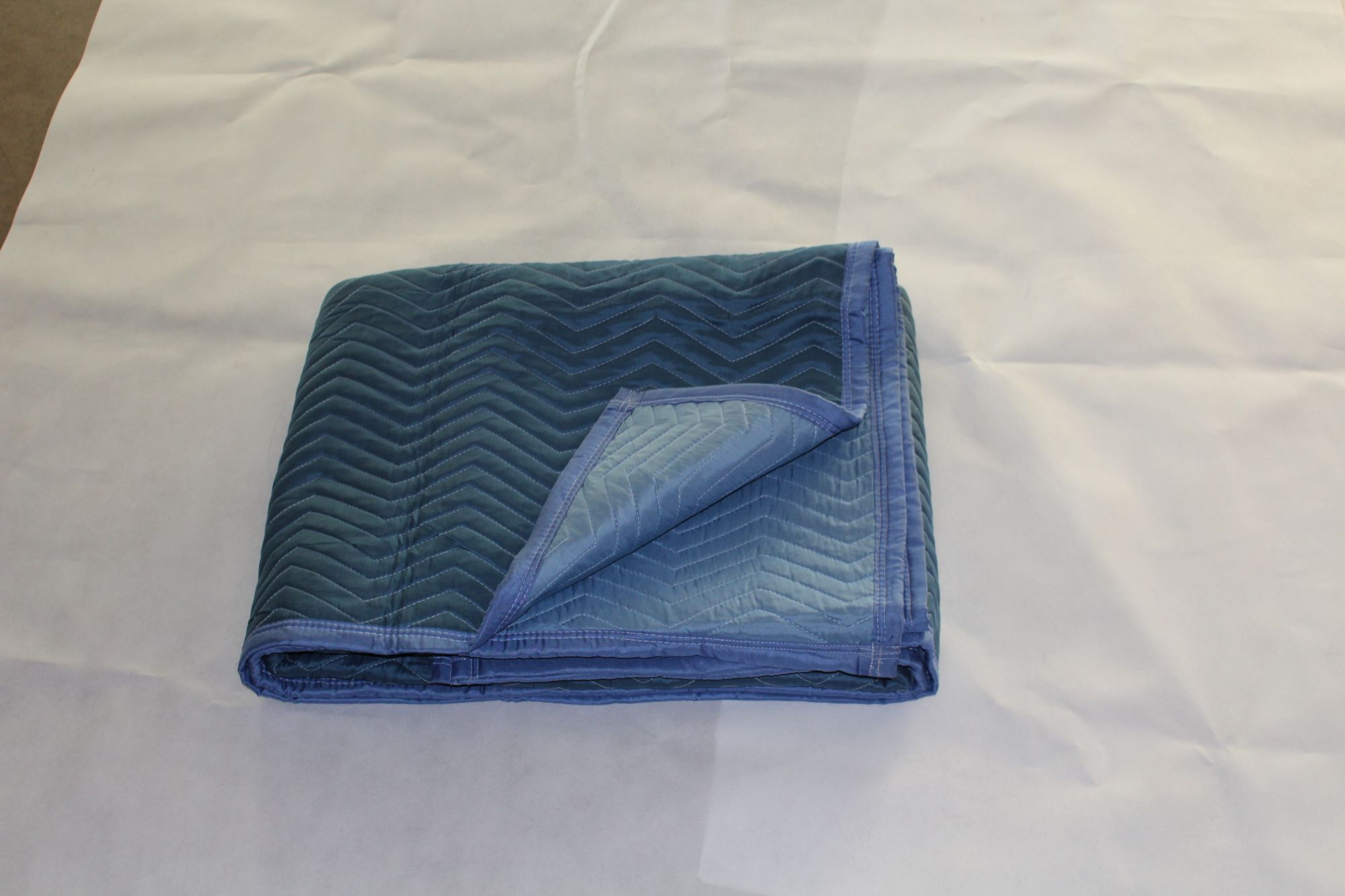
Moving day rarely goes as planned, but your protective gear shouldn't be part of the problem. A reusable movers blanket that survives the washing machine changes how you approach every relocation. With Top Packaging, you get more than a simple fabric layer: you get a dependable barrier against scuffs, dust, and dings, all without adding disposable waste to the process. If your current moving blankets start falling apart after one or two trips, it's time to see what a machine washable option can handle.
Can You Actually Wash a Moving Blanket?
Most moving blankets can take a wash, though the cheap ones with exposed felt backing tend to fall apart if you push them through a rough cycle. For a standard quilted cotton or poly-cotton pad, use cold water, a gentle cycle, and a small amount of mild detergent. If your washer has a center agitator, load the blanket loosely and consider running it with a couple of towels to keep the weight balanced.
Skip bleach, fabric softener, and hot water. Bleach eats at the stitching, softener leaves a coating that holds dust, and heat can shrink the cover or melt synthetic padding. Air drying is best, but a dryer on low heat works if you pull the blanket out while it is still slightly damp. Hang it flat or over a wide bar until fully dry, and check the binding for loose threads before you fold it away.
What Happens When a Dresser Meets a Door Frame
You’ve got the dresser halfway through the bedroom door when you hear that unmistakable crunch—wood against wood, a sound that makes your stomach drop. The top corner catches the frame, and suddenly the whole piece lurches sideways. A shallow gouge appears in the paint, maybe a splinter tears loose from the dresser’s edge, and you’re left standing there wondering how a gap that looked wide enough managed to close in on you.
It’s rarely a single clean hit. The first scrape is just the warning. As you try to back up or angle it differently, the legs or drawer pulls find new ways to knock against the same spot. By the time you finally wrestle it through, the door frame has a fresh set of scratches and the dresser has its own battle scars. What started as a simple furniture move turns into a slow, awkward negotiation with a doorway that was never on your side.
In the end, the real damage isn’t always to the furniture—it’s to your patience. You might patch the frame or rub a crayon over the dresser scratch, but the memory lingers. Next time you’ll measure twice, or take the door off its hinges, or just accept that some hallways were built without dressers in mind.
Why Plastic Wrap Turns Moving Day Into Trash Day
A cheap roll of plastic wrap feels like a moving-day shortcut until you notice how quickly it becomes waste. It gets stretched around dresser drawers, sofa cushions, and bundled cords, but the same cling that holds things in place also makes the film impossible to reuse once it rips. By the time the truck is unloaded, most of that wrap is already balled up and headed outside.
The problem goes deeper than the mess. Most moving wrap is low-density polyethylene that many curbside programs won't accept, especially once it is covered in tape, dust, or torn into thin scraps. It tangles around sorting equipment or ends up buried in a landfill, so a single afternoon of packing quietly adds a long-lasting layer to the neighborhood waste stream.
There is no real loss in skipping it. Old sheets, towels, and reusable straps hold furniture just as well without turning the first night in a new place into a trash run. Keeping a few sturdy bins and cloth covers on hand makes the move feel less disposable and keeps moving day from becoming trash day for everyone else.
One Blanket for Furniture, Appliances, and Awkward Shapes
Most moving blankets are cut for flat rectangles, which works fine until you need to wrap a dresser with protruding handles, a washing machine with a control panel sticking out, or a bicycle with bars going every direction. This one stretches far beyond that standard shape. The woven fabric has enough give to cup around corners without tearing, and the reinforced edges hold fast when you pull the material over odd bulges or uneven feet. You are not fighting the blanket to stay in place while you tape or strap it down.
Because it drapes instead of sliding, you can cover a full sofa, a tall refrigerator, or a strangely curvy armchair using a single piece. The underside has a slightly tacky finish that grips smooth surfaces like lacquered wood or stainless steel, so the blanket does not slip off during a bumpy ride. That same grip prevents fine scratches on appliance fronts while still allowing the blanket to be pulled tight around sharp metal edges or glass corners.
After the move, simply shake off the dust and fold it into a compact square. It stores flat under a bed or behind a closet door, ready for the next time you have a lamp with a wide shade or a toolbox with awkward, jutting latches. There is no need to keep three different sizes on hand when this one adjusts to the shape in front of you.
After the Move, These Keep Working Around the House
Moving day tends to focus on the big items—sofas, beds, the boxes that never seem to end. But once the truck is unloaded and the tape is peeled off, a quieter set of things keeps earning its place. The stackable wire shelves that fit a pantry in the old place now hold tools in the garage, and the same felt pads that protected the floors during the move are still under chair legs weeks later.
A few pieces also shift roles without anyone really deciding. A sturdy step stool becomes a side table near the reading chair. A couple of fabric storage bins that carried towels now sit by the entryway for shoes and leashes. They are not flashy, but they keep answering small problems before they turn into clutter.
That is the quiet payoff of choosing things that do more than one job. After the boxes disappear, they keep shaping the house into something easier to live in.
How Many You Need for a Studio or a Full House
Most studios do fine with two or three, and the real mistake is treating every corner as a separate zone. One near the sleep area and one near the main sitting or work spot covers the way people actually move. If the kitchen is part of the same open room, you might not need an extra for it at all.
A full house changes the count because stairwells, long hallways, and closed doors break up the space. Start with one for the living room, one for the primary bedroom, and one for the kitchen, then add to any floor that feels noticeably weaker. Formal rooms can often share with adjacent spaces until they get regular use.
FAQ
It can handle a normal cold-water cycle with a mild detergent. Just avoid bleach and high-heat drying, and the edge binding should stay tight through plenty of washes.
Most people get by with a 72 by 80 inch blanket, which covers a dresser or a couple of side tables without dragging. If you have large upholstered pieces, two or three blankets make the job much smoother.
It costs more upfront, but you avoid throwing away a pile of plastic after one day. The woven surface also grips furniture better and won't trap moisture against wood or leather.
The fabric is tightly woven and non-abrasive, so it shouldn't shed or transfer color under normal moving conditions. I would still shake it out first if it has been sitting in a dusty garage.
Since it is OEM, you can usually specify the cut, color, edge binding, packaging, and even a printed label. Minimum order quantities depend on the supplier, but the spec is not locked to a stock item.
With basic care, it can survive years of moves, storage runs, and messy garage jobs. The reinforced corners and double-stitched edges are the parts that take the most abuse and hold up best.
It is handy for covering floors during a renovation, protecting a car hood in the garage, or lining the back of an SUV. A lot of people keep one folded on a shelf for anything that could scuff a wall or leave dirt behind.
It has enough weight to stay put on furniture without being so bulky that it is hard to fold. You get the cushioning of a real moving blanket without feeling like you are wrestling a wet quilt.
Conclusion
Moving blankets often get treated as disposable because they end up dusty, snagged, or wrapped in tape, but the OEM machine washable version changes that math. You can actually toss it in a regular cycle, let it air dry, and pack it away for the next job without that stale storage-unit smell. That alone reframes how you protect a dresser when it meets a door frame: instead of reaching for plastic wrap that tears, sticks to itself, and adds a pile of trash by the end of the day, you wrap the corners, edges, and legs with a thick woven layer that stays put and absorbs impact. It handles furniture, appliances, and odd shapes like lamps or floor mirrors without needing a different cover for each item.
After the truck is unloaded, the same blanket keeps working under a car for roadside repairs, as a drop cloth for painting, or as a padded layer under area rugs. For a studio, two or three panels are usually enough to manage a bed, desk, and kitchen cart, while a full house often calls for six to twelve so you are not constantly unwrapping and reusing the same grimy piece mid-move. Buying a stack of them feels like a one-time investment rather than a box of plastic film you throw out before the pizza arrives.
Contact Us
Contact Person: Shelly
Email: [email protected]
Tel/WhatsApp: 86-577-64286522
Website: https://www.topmovingpad.com/