
Octagonal Cage Service Best Practices for Modern Facilities
2026-11-02
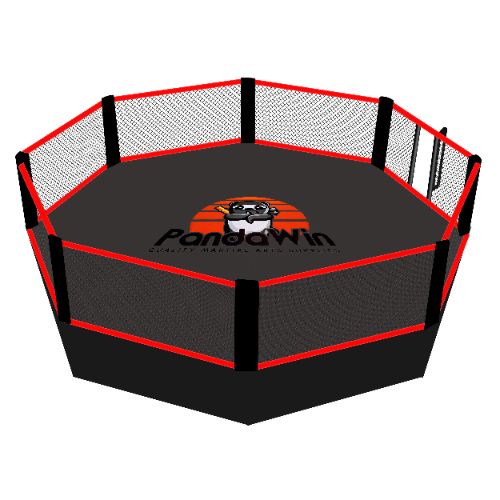
Maintaining an octagonal cage isn't just about wiping down mats—it's about athlete safety, equipment longevity, and the reputation of your facility. Modern training centers demand more than occasional inspections; they require a proactive service routine that catches wear before it becomes a hazard. From torque checks on every joint to sanitization protocols that stand up to daily use, the right maintenance plan separates high-performing venues from those that quietly lose members to preventable injuries. At PandaWin Sports, we've seen how small service habits compound into major operational wins. This guide breaks down the best practices that keep your cage competition-ready, your fighters confident, and your facility ahead of the curve.
What Your Octagonal Cage's Wear Patterns Are Trying to Tell You
Most people glance at an octagonal cage and see a symmetrical, eight-sided home. But spend a minute actually looking at the bars, the tray, and the corner joints, and you'll notice a story written in scuffs and scratches. One flat side might be polished smooth from a bird that presses against it every evening, while the opposite corner shows deep claw marks from a restless night routine. These aren't random defects—they're a behavioral log, and each worn spot points to how your pet actually uses the space, not how the cage designer imagined it would be used.
Pay particular attention to wear that shows up in pairs or repeated patterns. If two adjacent panels near a perch have paint worn off at exactly the same height, that's a sign your bird spends most of its day in that one spot, likely because the perch is too high or too low relative to food and water. A worn groove along the bottom tray's front edge usually means the tray gets dragged out for cleaning far more often than the other sides, which can loosen the track over time. And don't ignore the top: small bare patches on the central hub often mean toys or treat clips are being hung from the same spot repeatedly, slowly chewing through the finish.
The real value of reading these patterns is that they let you fix small problems before they become big ones. Rotate perches and toys to redistribute foot pressure and beak work, check every joint where you see bare metal for early rust, and consider moving the cage a few inches if one side is constantly rubbing against a wall or furniture. You'll get a more durable cage and a calmer occupant—and you'll have learned to listen to what the wear was trying to tell you all along.
The Safe Way to Remove Blood and Sweat Without Breaking Down Vinyl
Before reaching for a strong cleaner, mix a few drops of mild dish soap into lukewarm water. Dip a soft microfiber cloth in the solution, wring it out until it’s just damp, and wipe the stained area in small circles. For dried blood, let the damp cloth rest on the spot for about a minute to soften the protein before wiping. This keeps the vinyl from absorbing excess liquid, which can weaken the material over time.
If the stain persists, sprinkle a light layer of baking soda over the spot and work it gently with a damp cloth. Baking soda lifts sweat residue and tackles the last traces of blood without the harsh abrasives found in many vinyl cleaners. Rinse the cloth often so you aren’t just moving the breakdown products around, and always dry the area with a separate clean towel afterward.
Skip bleach, ammonia, and any solvent-based sprays. Those may get the stain out quickly, but they strip the plasticizers that keep vinyl flexible, leaving it cracked or chalky weeks later. Stick to pH-neutral soap and distilled water for regular wipe-downs, and you’ll keep the surface clean without inviting premature aging.
Why Most Facilities Overlook the Cage Door Hinges Until It's Too Late
In most facilities, the cage door hinges rarely get a second glance during routine walkthroughs. Maintenance teams focus on locks, mesh panels, and sliding tracks, while the hinge sits quietly rusting, loosening, or wearing down. It’s not flashy, doesn’t trigger alarms, and rarely shows up on inspection checklists—so it slips through the cracks month after month.
The real trouble starts when someone finally leans against that door or tries to secure it quickly. A seized or sagging hinge shifts the entire door frame out of alignment, making the latch bind or fail. This forces staff to improvise—kicking the bottom corner, lifting the handle, or jamming something under the gate. Each workaround adds stress to the hinge pins, eventually leading to a sudden break that leaves the cage wide open at the worst possible moment.
By the time facilities act, the damage has usually spread beyond the hinge itself. Cracked welds, bent frames, and worn striker plates need far more work than a simple re-hinge would have taken. The overlooked hardware ends up costing hours of downtime and a much larger repair bill, all because nobody paid attention to the small metal joint that quietly holds the whole barrier together.
A 15-Minute Weekly Routine That Keeps Your Octagon Competition-Ready
You don't need a full camp every day to stay sharp. This 15-minute block works because it forces you to move with intent the moment you start. Kick off with three minutes of shadowboxing where every third strike is a level change—jab, cross, then drop your hips into a double-leg entry before circling out. No resting between rounds; just reset your stance and keep your hands high.
The middle section is about footwork under fatigue. Set a timer for five minutes and alternate 20 seconds of lateral shuffle with 10 seconds of fast in-and-out steps, staying in your fight stance the whole time. Add a sprawl every 30 seconds to simulate defending a takedown. By the third minute your legs will feel heavy, and that's exactly when you need to focus on keeping your elbows tight and your chin down.
Finish with two minutes of wall sits while throwing straight punches, then one minute of slow, controlled breathing in a deep squat. The wall sit forces you to generate power from a compromised base, and the squat breathing resets your nervous system so you walk out of the gym feeling ready, not wrecked.
The Real Difference Between Cosmetic Damage and Structural Risk
People often panic when they spot a crack in the wall or a chip on the bumper, assuming the worst. But most of the time, these blemishes are purely cosmetic—surface-level wear that affects appearance only. Structural risk, on the other hand, means the integrity of the whole system is compromised, whether it's a load-bearing wall, a car frame, or a foundation. The real difference comes down to whether the damage is just skin deep or whether it runs through the core.
Spotting the difference usually takes a bit of detective work. Cosmetic issues tend to be hairline, shallow, and stable over time; they don't spread or shift with pressure. Structural problems, by contrast, often show up as wide, deep, or growing cracks, sagging lines, or doors and windows that suddenly stop closing right. Location matters too—a scratch on the hood is rarely a safety concern, but a crack near a suspension mount or a support beam deserves immediate attention.
Ignoring structural risk because it looks minor can be a costly mistake. What starts as a small sign—like a thin crack that keeps widening—might indicate shifting weight, water damage, or material fatigue. Cosmetic fixes are usually cheap and quick; structural repairs are not. Learning to tell them apart saves money, stress, and sometimes more.
How to Future-Proof an Octagonal Cage for Multi-Use Facilities
Designing a cage that handles everything from striking practice to grappling drills starts with modular attachment points. Instead of welding hooks or anchors in fixed positions, consider a slotted rail system running along the interior perimeter at two heights. This lets you swap heavy bags, resistance bands, or even plyometric platforms without drilling new holes every time the training focus shifts. A simple locking pin mechanism keeps each accessory secure but easy to relocate between sessions.
Flooring decisions often get overlooked until the first joint complaint surfaces. For multi-use facilities, a hybrid surface works better than a single material. Use dense rubber tiles under high-impact zones like bag stations and takeoff areas, but leave a recessed central section for roll-out wrestling mats or portable turf. That way you avoid permanent padding that becomes a tripping hazard during agility work, and you don't end up with a concrete slab that punishes knees during groundwork.
Future-proofing also means planning for equipment that hasn't been bought yet. Run conduit and power outlets to at least two corners of the cage, even if you don't currently use timing systems or video analysis tools. Add a few reinforced anchor points near the ceiling rated for unexpected loads, like suspension trainers or a climbing rope. These small, low-cost additions during initial construction save you from expensive retrofits when the facility's programming expands next year.
FAQ
Check all bolts and welds, especially corners and gate hinges; ensure floor padding has no tears or lifted edges; test gate latch from inside and outside; verify there are no gaps between panels where fingers could get caught. It's a five-minute routine that catches most failures before they become hazards.
In a high-traffic facility, padding and floor should be deep-cleaned at least twice a week, and after any blood or heavy sweat session. Use a mild enzymatic cleaner on vinyl surfaces, avoid bleach which degrades the coating, and allow full drying before next use to prevent mildew.
Loose bottom rail connections. People focus on the cage walls but the base where panels meet the floor takes the most lateral force. If those anchors wobble, the entire structure loses rigidity, which can lead to a cascading failure during a takedown.
Replace when any wire has snapped and left a sharp end that can't be tucked, when there's visible sagging in the mesh, or when rust has penetrated more than surface level on connectors. Patching is fine for cosmetic nicks, but if a panel flexes more than an inch under moderate push, it's done.
Use a laminated checklist with QR codes at each cage corner. Staff scan, tap pass/fail for each item, and photos auto-upload to a shared log. No writing, no clipboard, takes under two minutes between sessions.
Synthetic leather and foam padding soak up moisture. Keep relative humidity between 40-60% to prevent foam breakdown and vinyl cracking. In humid climates, run a dehumidifier at night and check for condensation on metal joints each morning.
Add high-density foam corner caps to older cages, swap out standard gate springs for self-closing hinges, and install anti-slip tread tape on the top rail. These are low-cost upgrades that dramatically reduce impact injuries without replacing the entire structure.
Don't rely on a lecture. Have them do a hands-on 'find the flaw' exercise with deliberately loosened bolts, small tears, or a warped panel. When they can physically feel a loose connection versus a tight one, they'll notice it during normal classes. Repeat quarterly and rotate the hidden flaws.
Conclusion
Most modern facility managers treat octagonal cage upkeep as a matter of wiping down vinyl and checking welds, but the cage itself keeps a running log of trouble if you know where to look. Scuffing along the lower panels and creases near the corners often points to recurring footwork patterns or heavy bag placement shifting the frame, not just routine wear. Those marks become your earliest warning that a post is absorbing too much lateral force. Cleaning matters just as much, yet aggressive solvents and stiff brushes can strip plasticizers from the vinyl, leaving panels brittle long before they tear. A mild pH-neutral mix and a soft cloth pull out blood and sweat without eating into the surface. The hinges rarely get that same attention. A quick weekly pass—tightening hinge bolts, listening for squeaks or grinding, and checking that gate pins sit flush—prevents the kind of sudden sag that turns a training session into an evacuation.
There's a real difference between a scuffed panel and a compromised joint. Cosmetic damage stays on the surface; structural risk shows up as hairline fractures at weld points, bowed top rails, or a floor anchor that's started to lift. Smart facilities separate those two, documenting any shift in alignment before it becomes a liability. That same eye toward longevity pays off when the cage serves multiple programs. Future-proofing means choosing replaceable panel clips, routing cables away from foot traffic, and spacing the octagon far enough from walls for both fighters and maintenance crews. It also means building a 15-minute weekly routine into the schedule: wipe contact zones, inspect the door sweep, check every post cap, and mark any unusual wear with a photo. Done consistently, this keeps the cage competition-ready without waiting for a failure to point out what was already visible.
Contact Us
Contact Person: Fei Xu
Email: [email protected]
Tel/WhatsApp: +8618631245578
Website: https://www.pandawinsports.com/