
Library RFID Company: Transforming Modern Libraries with Smart Tracking Solutions
2026-05-25
Imagine a library where every book finds its way back to the shelf effortlessly, and patrons check out stacks in seconds—no lines, no manual scanning. This is the reality powered by OSRFID, a leader in RFID solutions that is reshaping modern libraries. But how exactly does this technology work, and what makes it a game-changer for librarians and readers alike? In this post, we’ll explore the transformative impact of smart tracking systems and why your library deserves an upgrade.
The Quiet Revolution: How RFID Is Reshaping Library Operations
Walk into a modern library these days, and you might notice something missing: the repetitive thump-thump of date stamps and the long queues at the circulation desk. Behind the scenes, a subtle but profound shift has taken place, driven by tiny tags that communicate via radio waves. RFID, or Radio Frequency Identification, has transformed the daily rhythm of library work, turning what was once a labour‑intensive process into a fluid, almost invisible operation. Staff who used to spend hours scanning barcodes one by one now slide entire stacks of books past a reader in seconds, freeing them to focus on more meaningful interactions with patrons.
The real magic of RFID, however, lies in its ability to redefine inventory tasks. Instead of manually checking each shelf with a clipboard, librarians can wave a handheld scanner across a row and instantly identify misshelved items or gaps in the collection. This silent, sweeping efficiency doesn’t just tidy up the shelves—it fundamentally alters how staff perceive their roles. The chore of stocktaking, once a dreaded annual event, becomes a quick, ongoing audit that helps keep the collection fresh and responsive. As a result, libraries are discovering they can redirect resources toward community programming and reader advisory services, nurturing the human side of their mission while the technology handles the count.
Perhaps most telling is the shift in patron experience. Self‑checkout kiosks, powered by RFID, have reduced the friction of borrowing to a near‑instant gesture, and the return process is often as simple as dropping a book into a slot that reads its tag and updates its status on the fly. This quiet revolution reaches beyond convenience—it builds a sense of trust and autonomy. When a library user can complete transactions without barriers, the building stops feeling like a transactional space and starts resembling a true third place, a sanctuary where technology recedes into the background and the joy of discovery takes centre stage.
Beyond Barcodes: Unleashing the Speed of RFID Tracking
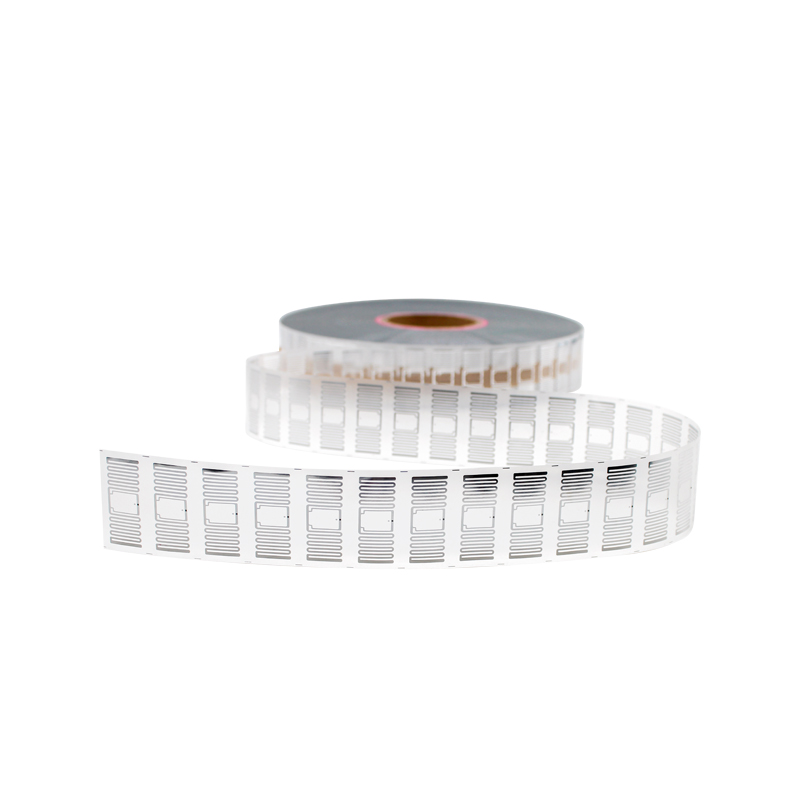
Traditional barcode systems require line-of-sight scanning, one item at a time, which inherently throttles operational pace. RFID flips this model by enabling instant, simultaneous reads of multiple tags, whether items are nested inside cartons or speeding down a conveyor. This shift from serial to parallel data capture eliminates bottlenecks at receiving docks, checkout counters, and inventory checkpoints, delivering throughput that feels almost invisible yet dramatically reshapes fulfillment timelines.
What truly separates RFID from barcodes is not just raw speed, but the depth of real-time visibility it provides. Every scan automatically records location, status, and movement history without human intervention, transforming asset tracking from a periodic chore into a continuous, passive flow of intelligence. Warehouses become self-documenting environments where stock levels, misplacements, and shipment updates propagate instantly across platforms, empowering teams to react before small gaps become critical delays.
In industries where seconds define customer experience—like retail apparel, healthcare, and automotive manufacturing—RFID’s rapid data ingestion cuts replenishment cycles from days to hours. Unlike barcodes that demand manual point-and-scan discipline, RFID readers blanket entire rooms with interrogation fields, quietly capturing thousands of items per second. The result is a leaner, more adaptive supply chain where speed isn’t pushed onto workers but built into the very infrastructure of how products communicate their presence and journey.
Empowering Patrons: Self-Service That Actually Works
Too many self-service platforms feel like they were designed to keep you from finding what you need. They pile up menus, bury the actual function, and leave you wondering if anyone ever tried using them before release. A self-service tool that actually works doesn’t just hand over a search bar—it steps into the patron’s shoes and removes every tiny bit of friction between a question and its answer. It means thinking about the mental model people bring: they don’t care about your internal department names, they care about getting the job done. So the flow has to be built around their intent, not your org chart.
When you get that right, the results are immediate and visible. Patrons start solving things in seconds instead of sending emails or waiting on hold. Staff, relieved from the flood of repetitive questions, can finally focus on problems that need a human brain. And the beautiful part is that the system keeps improving if you let it—by watching what people actually do, instead of what you assume they’ll do, you can quietly tune the experience. No grand redesign, just small shifts that make the next person’s trip even smoother. That’s the real empowerment: a service that never gets in the way and slowly becomes invisible.
Invisible Shields: Advanced Security Through Smart Tags
Imagine a security system that doesn't draw attention to itself—no bulky sensors, no blinking lights, just a seamless layer of protection woven into everyday objects. Smart tags, thin as a sticker and nearly invisible to the eye, transform ordinary items into silent sentinels. They can be embedded into packaging, employee badges, or even product labels, constantly monitoring for unauthorized movement or tampering without ever alerting a potential intruder.
These tags communicate through encrypted, low-energy signals that are incredibly hard to intercept or jam. Unlike traditional RFID systems that broadcast information openly, advanced smart tags use frequency-hopping and rolling codes, making each transmission unique and useless to eavesdroppers. When tied to a central monitoring platform, they create a real-time map of asset location and status, flagging anomalies instantly—such as a high-value item leaving a designated zone or a sealed container being opened unexpectedly.
Beyond simple tracking, the intelligence lies in their ability to contextualize data. A smart tag on a museum exhibit isn't just reporting its position; it can detect vibrations that suggest forced handling or environmental changes that threaten preservation. By blending physical stealth with digital sophistication, these invisible shields deter threats before they materialize, all while preserving the aesthetic and operational flow of the protected space.
Turning Shelves into Data Hubs: Real-Time Inventory Intelligence
A shelf used to be a passive piece of infrastructure—something you bolted to the wall and forgot about. Now, smart shelves are rewiring the physical store. Embedded weight sensors, RFID readers, and low-power vision modules quietly track every item that’s added or removed, feeding a live digital twin of the sales floor. This isn’t occasional cycle counting; it’s a continuous data stream that turns each facing into a node on an operational network.
When a product dips below par, the shelf doesn’t wait for a person to notice. It triggers a restock alert directly to a handheld device or navigates an autonomous replenishment cart. The data flows into a central hub where machine learning models map demand patterns, predict out-of-stock events hours before they happen, and even adjust planograms based on real shopper behavior. Store associates shift from hunting for empty spots to engaging customers—because the shelf itself handles the inventory grind.
The ripple effects extend beyond the store. Supply chain teams tap into shelf-level data to fine-tune shipments, cut emergency orders, and minimize dead stock. Markdowns become precise, triggered by actual sell-through rates rather than gut feel. What starts as a connected shelf matures into a responsive frontline that learns, adapts, and keeps the right product in the right place at the right moment—without overstuffed backrooms or disappointed customers staring at gaps.
Designing Tomorrow’s Libraries: Scalable RFID Solutions for Every Space
Modern libraries demand flexibility, and that's exactly what scalable RFID solutions bring to the table. Whether you're fitting out a sprawling central branch or a cozy community reading room, the technology adapts without forcing you into a one-size-fits-all straitjacket. The core idea is straightforward: deploy only what you need today, then expand seamlessly as your collection grows or services evolve. This could mean starting with simple self-checkout kiosks and later adding smart shelving, automated returns, or even robotic inventory assistants—all on the same architecture. The beauty lies in the modular design, which sidesteps massive upfront costs while keeping the door open for future enhancements.
What really sets a well-designed RFID ecosystem apart is how quietly it integrates into the existing space. No disruptive remodels, no awkward retrofits—just placement of readers and tags that work with the flow of the building. From compact mobile units that transform any corner into a circulation point to discreet theft-detection gates that don't feel like security checkpoints, the hardware can be as understated or prominent as the setting demands. It's about preserving the library's atmosphere while giving staff powerful tools to manage resources efficiently. When you can walk through a room and inventory an entire section in minutes, or let patrons check out stacks of books in one swift motion, the technology fades into the background and the library experience takes center stage. That balance of invisible support and tangible benefit is what makes scalable RFID a practical decision for libraries thinking beyond the current footprint.
FAQ
A library RFID company provides the hardware, software, and tags needed to automate checkouts, returns, and inventory tracking. They usually also offer support for system setup and staff training.
It speeds up check-in and checkout by reading multiple items at once, eliminates manual scanning, and streamlines inventory audits. Staff can cover ground faster and redirect time toward patron assistance.
Beyond quick transactions, benefits include reduced repetitive strain on staff, real-time collection visibility, enhanced security against theft, and smoother self-service options for visitors.
Absolutely. With a handheld reader, a librarian can walk through aisles and scan entire shelves without moving books. This catches mis-shelved items and updates the catalog on the spot.
Not overly difficult if you work with a dedicated provider. The process involves tagging existing materials, installing readers at service points and exits, and integrating software with your current library management system. Most libraries can transition in phases.
Patrons enjoy shorter lines at self-checkout kiosks, easy returns through smart drop boxes that instantly update their account, and reliable item location via the catalog. It also reduces wait times for staff assistance.
Books, DVDs, CDs, audiobooks, toolkits, and even framed art in some lending collections. Tags come in various sizes and adhesion types to suit paper, plastic, and metal surfaces.
Yes. Many vendors offer scaled-down starter packages or cloud-based software subscriptions that minimize upfront investment. Grants and consortia purchasing can also bring down costs significantly.
Conclusion
A quiet revolution is underway in libraries that have adopted RFID technology, fundamentally reshaping everyday operations. Far beyond the limitations of barcodes, smart tags inject remarkable speed into tracking: staff can scan entire shelves in seconds, turning inventory from a laborious chore into a real-time data stream. Self-service stations actually deliver on their promise—patrons breeze through checkout with a single tap, and returns slide seamlessly into automated sorting. This shift liberates librarians from repetitive tasks, allowing them to focus on curation, guidance, and community engagement. The library floor transforms into a responsive ecosystem where items practically manage themselves, reducing wait times and erasing the friction once taken for granted.
Beneath this smooth surface, smart tags double as invisible shields—detecting unauthorized movement without adding barriers for legitimate browsing. Every scan feeds a central nerve center, painting an up-to-the-minute picture of collection health, usage patterns, and even predictive demands. Such intelligence helps libraries fine-tune layouts, spotlight underutilized gems, and design spaces that adapt to how people actually learn and explore. Whether in a compact local branch or a vast academic campus, scalable RFID solutions flex to fit any environment, ensuring the library of tomorrow is not just a quiet warehouse but a dynamic, patron-first hub where technology and human touch converge effortlessly.
Contact Us
Contact Person: Esme Mo
Email: [email protected]
Tel/WhatsApp: 0086 191 2931 7837
Website: https://www.osrfidglobal.com/