
Forged Steel Gate Valve in China: A Comprehensive Buyer's Guide
2026-11-16
When sourcing forged steel gate valves from China, the sheer volume of suppliers can be overwhelming—but the right guidance turns a complex search into a strategic advantage. This buyer's guide cuts through the noise, and brands like CRXV demonstrate what to look for in quality and reliability.
Why Forged Steel Beats Cast Steel for High Pressure Gate Valves
When a gate valve has to handle pressures that would make lesser materials sweat, the difference between forged and cast steel isn't just academic—it's the line between a valve that holds and one that leaks, cracks, or fails outright. Forging takes a solid billet and works it under extreme force, aligning the grain flow along the valve body contours. That directional strength means the steel can take repeated stress cycles without micro-fractures spreading through the metal. Cast steel, by contrast, is poured into a mold and left to solidify. The resulting grain structure is random, and while it's fine for moderate service, high-pressure throttling or thermal cycling tends to find the weak points fast.
Think about what happens inside a high-pressure gate valve when it closes. The disc wedges against the seats, the body sees hoop stress from the line pressure, and every start-stop operation adds a fatigue load. Forged steel bodies distribute that load along continuous metal fibers, so a 2500-class valve can shrug off pressure spikes that would send a cast body into the scrap bin. Porosity is another hidden killer in castings—tiny gas pockets or shrinkage cavities that can turn into leak paths once the pressure climbs. Forging virtually eliminates those voids because the metal is squeezed and worked, not just melted and settled. That's why pipeline operators in sour gas or steam service rarely argue about the material choice after the first replacement cycle.
It's not that cast steel has no place—it does, for large, low-stress components where cost matters more than fatigue life. But once you're north of ANSI 600 or dealing with frequent thermal shock, the higher initial cost of a forged body pays for itself in fewer shutdowns, less weld repair, and a valve that simply stays tight longer. Forged steel also allows for a more compact, thinner-walled design without sacrificing strength, which means less weight hanging off the pipe and better flow characteristics. The next time a specification says 'forged body required,' it's not a preference—it's a lesson learned from every cast valve that ever let a plant down at 3 a.m.
Decoding Chinese Forging Standards and What Actually Matters
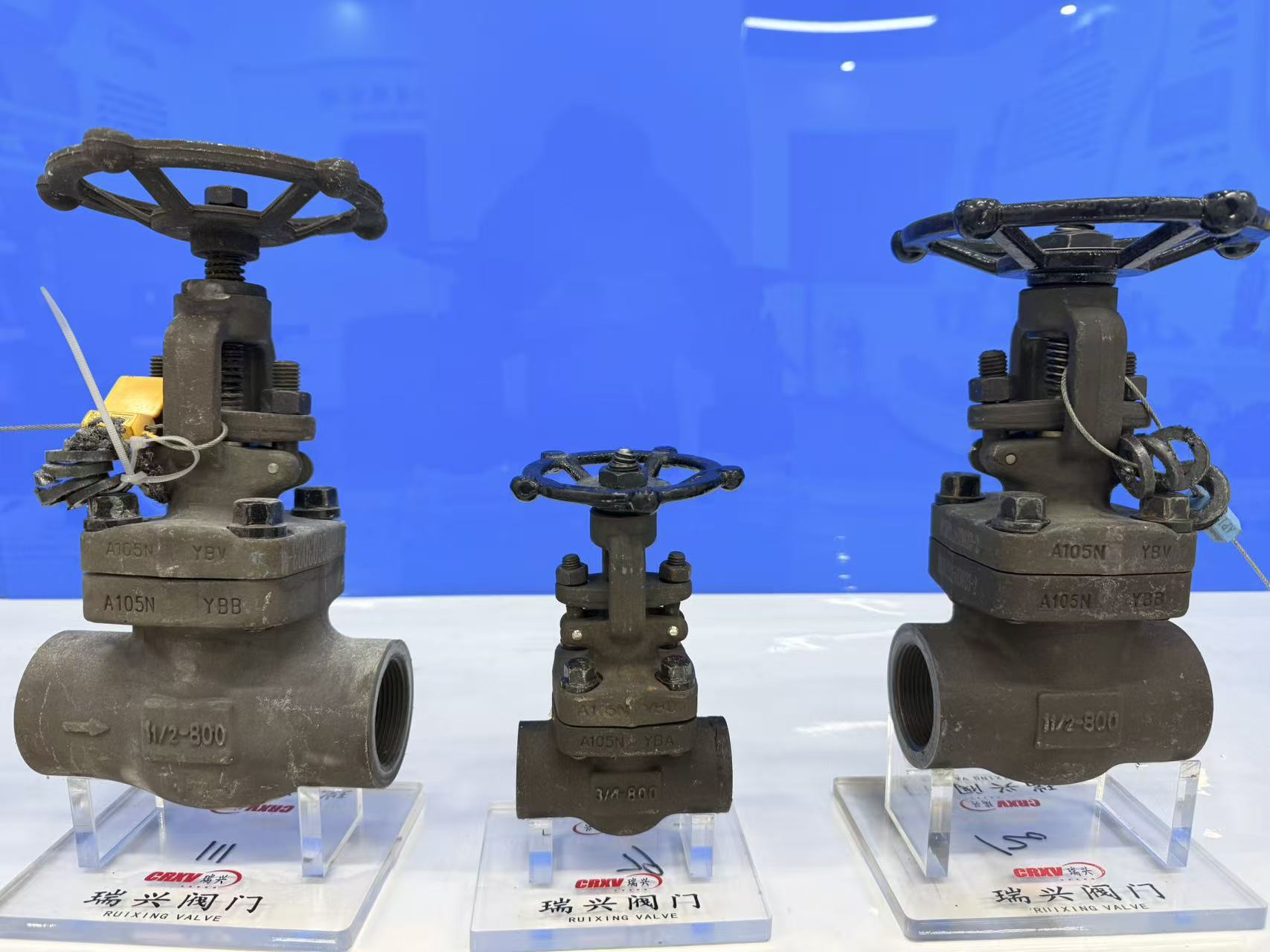
Chinese forging standards come wrapped in a tangle of GB, JB, and HB code letters that can make even seasoned engineers hesitate. Yet the first step in decoding them is simpler than it seems: stop trying to memorize every designation and start asking what each standard actually controls. For example, GB/T 12361 sets the general shape and dimensional rules for steel die forgings, but it says nothing about the alloy’s response to heat treatment. That detail lives in a separate material standard like GB/T 3077, which defines the chemical composition and hardenability bands. Once you separate geometry standards from material standards from testing standards, the confusion lifts, and you can see which clauses will actually affect your part’s performance.
A more subtle trap is assuming that a newer standard revision or a higher code number automatically means better quality. In real workshops, the difference between a reliable forging and a costly reject often comes down to parameters the standard leaves optional. Forging ratio, the temperature window during hot working, and the location where test coupons are cut from the forging all matter far more than the year printed on the document. A supplier who can walk you through their melting source, their die lubrication practice, and their post-forge cooling rate is worth more than a library of certificates. The standard gives you a common language, but it cannot replace a technical conversation with the people who actually run the hammers and presses.
Finally, it is worth recognizing that many Chinese standards function as reference documents rather than pass/fail rules. Take GB/T 6402, which outlines ultrasonic testing methods for steel forgings. Reading it will not tell you what acceptance level your part needs—that must be written into the purchase order, usually as a specific quality class and scan coverage. Without such an explicit requirement, a supplier can legitimately deliver a forging that “meets the standard” yet fails your application. Decoding the system means understanding this gap between guidance and acceptance. The standards that actually matter are the ones you turn into measurable, inspected, and agreed-upon requirements, not the ones you simply cite by name.
How to Spot a Reliable Forged Valve Supplier Before You Pay
Start by requesting a traceable manufacturing record, not a glossy brochure. A dependable forged valve supplier will show you the material heat numbers, forging ratios, and pressure test data tied to the exact batch you're buying. If they hesitate or only offer generic certificates, walk away before any invoice reaches your desk.
Next, verify the plant itself rather than the sales pitch. Ask for a live video walkthrough of the forging line, or have a third-party inspector visit the facility. Pay attention to whether the equipment matches the claimed capacity; a supplier that subcontracts the actual forging often cannot control grain flow, finish quality, or delivery dates.
Finally, test their after-sales reflexes with a small trial order. A supplier worth paying will respond to a dimensional query or a request for spare trim without dodging. Compare how quickly they resolve a minor issue before you commit to a large contract, because the same responsiveness will decide whether a failed valve becomes a one-week repair or a three-month shutdown.
The Hidden Costs in Forged Steel Gate Valve Quotes
Most buyers focus on the line-item price when comparing forged steel gate valve quotes, but that number rarely tells the whole story. What gets overlooked are the charges tucked into the fine print: testing and certification fees, special packaging for export, or minimum order quantity penalties that inflate the per-unit cost once the order falls below a certain threshold. A quote might look competitive at $185 per valve, yet after adding hydrostatic testing, third-party inspection, and the cost of maintaining an audited material traceability report, the real price can jump by 12–18%. Without asking for a complete cost breakdown, procurement teams end up approving budgets that don't match the final invoice.
Another silent budget killer is the lead time and its knock-on effects. A forged steel gate valve quote with a shorter delivery date often hides expediting fees, premium freight charges, or the use of cast substitutes instead of true forged components to meet the deadline. If the supplier is not upfront about their forging source and heat treatment process, you may be paying for a valve that requires more frequent maintenance or fails early under thermal cycling. These hidden reliability costs show up later as field replacement labor, downtime, and the administrative burden of warranty claims — none of which appear in the original purchase order.
Finally, regional compliance and documentation differences can quietly add hundreds of dollars per order. Quotes for forged steel gate valves intended for use in the oil and gas sector often omit the cost of NACE MR0175 compliance, EN 10204 3.2 material certificates, or customer-specific paint systems. Suppliers may assume you only need standard commercial specs, and later issue change orders once the technical review catches the gap. To avoid these surprises, request a line-by-line cost breakdown that separates base material, forging, machining, testing, documentation, and logistics — and confirm whether the unit price includes or excludes these add-ons before comparing vendors.
Testing and Inspection Checks That Are Non Negotiable Before Shipment
Before any box gets taped shut, we pull the unit that has been sitting in the queue and run it the way a customer would—not just a quick power-on. Under real load, with cables connected exactly as they will be on site, we check for intermittent faults, voltage drop across terminals, and any firmware mismatch that would only show up after the first update. A torque mark on every accessible fastener gets verified against the assembly record; if the paint line is even a few degrees off, we open it back up. These are not nice-to-haves. They are the difference between a product that works on a bench and one that survives the back of a delivery truck.
The second pass is slower and more annoying: we read the order line by line against the physical item. Plug type, input voltage, enclosure finish, the exact SKU sticker—everything. A unit that passes functional testing but ships with the wrong power cord is a return waiting to happen. After that, the cosmetic inspection runs under unflattering light, because a hairline scratch on a bezel is enough to trigger a customer complaint. Packaging gets checked for crush resistance and moisture barrier too, but only after the product itself has earned its sign-off.
Navigating Import Logistics and Customs for Chinese Valve Orders
When you're bringing Chinese-made valves into the US or Europe, the first real headache usually isn't quality—it's getting the shipment past customs without burning a week of storage fees. Start by locking down your Incoterms. A lot of buyers default to FOB because it looks cheaper on the quote, but then you're stuck arranging the ocean freight and dealing with the destination port charges on your own. DDP might sound tempting, but many Chinese suppliers won't actually handle the import duties correctly, and that can leave you with a surprise bill or a seized container.
Get your HS code right from the start. Valves generally fall under 8481, but the subheading depends on material, function, and whether it's a check valve, gate valve, ball valve, or something more specialized. Misclassification triggers customs holds and can cost you 10-20% in retroactive duties if they catch it later. Have your supplier provide the full technical drawings, material certificates, and test reports before the shipment leaves. For industrial valves, you often need a manufacturer's declaration and sometimes a pressure equipment directive certificate if you're shipping to the EU.
Don't underestimate the role of a good customs broker. They can pre-file your ISF for US-bound cargo, submit the entry summary, and flag any potential issues with anti-dumping or countervailing duties on certain valve types from China. Always keep a copy of the bill of lading, commercial invoice, packing list, and certificate of origin handy. If customs pulls your container for an exam, having clean paperwork can turn a five-day hold into a two-day inspection. And budget for the miscellaneous fees—pier pass, chassis fee, customs bond—because those small line items add up fast on valve shipments.
FAQ
Forged steel gate valves start as a single piece of metal shaped under high pressure, giving them a denser grain structure and far fewer internal voids than cast alternatives. In Chinese refineries and chemical plants, this translates to better resistance to thermal shocks, high-pressure steam, and fatigue cracking around the bonnet and seat areas. You'll often see them specified for API 602 or ASME B16.34 services where leak paths cannot be tolerated.
Request a full material test report (MTR) for each heat number, not just a generic certificate. Ask for third-party inspections from agencies like TÜV, BV, or SGS at the foundry before machining. Check whether the plant has ISO 9001, API 6D, or CE/PED certifications that are current and within scope. A reliable maker will also let you visit unannounced or arrange video walkthroughs of the testing area, including hydrostatic and pneumatic test benches.
Most Chinese manufacturers produce forged steel gate valves rated from Class 150 to Class 4500 under ASME B16.34, with working temperatures from -29°C to 650°C depending on the trim and body material. For cryogenic service, extended bonnets and stainless steel internals can handle down to -196°C. Always confirm the pressure-temperature curve from the maker, because some low-cost valves use thinner walls that fail at the upper end of Class 800 or 1500.
Focusing only on unit price and ignoring total cost of ownership is the biggest one. Buyers also overlook stem material compatibility with the medium, order the wrong end connections (socket weld vs threaded vs butt weld), or fail to specify whether the seat should be integral or renewable. Another frequent issue is not clarifying if the valve must meet NACE MR0175 for sour gas service, which changes metallurgy and heat treatment requirements entirely.
Order a small pilot batch of 5 to 10 pieces and have them tested independently. Pay attention to the surface finish of the forging, the alignment of the wedge and seats, and the smoothness of the stem thread. Ask the factory to provide a dimensional inspection report against your drawings, plus a hydrostatic shell test at no less than 1.5 times the rated pressure. If possible, run a low-pressure air seat test to detect micro leaks in the closed position.
Beyond standard API 602 sizes from 1/2" to 2", many workshops can produce larger bore sizes, special trims like Stellite 6 or 13Cr, extended bonnets for cryogenic or high-temperature service, and live-loading gland packing. Some can also supply anti-static devices, locking arrangements, or NPT/socket-weld combinations. Be specific about your medium, whether steam, hydrogen, chlorine, or abrasive slurry, because that dictates seal material and clearance design.
For standard Class 800 SW or NPT valves, Chinese factories often ship within 3 to 5 weeks after order confirmation, versus 8 to 12 weeks from many European or North American suppliers. Custom alloys like F11, F22, or stainless 316 with special testing may extend this to 8 to 10 weeks. But tight schedules are only reliable if the manufacturer keeps raw forgings in stock; otherwise, you may face an extra 2 to 3 weeks waiting for bar stock.
Conclusion
A forged steel gate valve earns its keep in high-pressure service because the grain flow created during forging gives the body and bonnet far better resistance to thermal shock and stress corrosion than a cast equivalent. In China, you’ll see plenty of mills claiming compliance with GB/T 12224 or ASTM A105, but the real question is whether the heat numbers and material test certificates trace back to an actual melt. Many buyers learn too late that a "standard" valve can come from a workshop that never verified mechanical properties after heat treatment. Before paying anything, ask for a detailed audit of the forging source, not just a sales pitch. A supplier that can show you photos of the forging line, explain their rejection rate, and walk you through how they handle non-destructive testing on every pressure-retaining part is worth far more than one offering a generic PDF certificate.
The quoted price rarely tells the whole story. Hidden costs often hide in things like extra charges for trim material upgrades, lack of proper painting or rust prevention, unclear incoterms, and vague packing that leads to freight damage. Insist on a line-by-line quote that includes hydrostatic and pneumatic testing, dimensional checks, and third-party inspection if required. Before shipment, non-negotiable checks should cover shell strength, seat leakage, stem hardness, and proper marking. Don’t assume the factory will do these unless you put them in the purchase order. For logistics, decide early who handles export clearance and final delivery. A Chinese valve order can clear customs smoothly if the documents match the invoice exactly, but any mismatch in HS codes or weight will delay the container and eat your savings. Build buffer time for port congestion and pre-book a freight forwarder familiar with industrial valves.
Contact Us
Contact Person: TIM
Email: [email protected]
Tel/WhatsApp: 8615857807381
Website: https://www.crxv.com/en/