
Extruder Supplier Guide: How to Choose a Reliable Partner for Your Production Needs
2026-11-03
Every production manager knows the feeling: a new extruder arrives, specs look fine, but three months later you're chasing the supplier for a spare part that should have been in stock. Choosing an extruder supplier isn't about the lowest quote or the flashiest brochure. It's about finding a partner who understands your production flow, responds when problems surface, and helps you scale without unexpected downtime. This guide cuts through the clutter—from evaluating build quality and after-sales support to spotting real-world performance clues that most buyers miss. Whether you're upgrading a single line or planning a new plant, the goal is the same: avoid costly interruptions and lock in long-term reliability. Companies like SFC earn trust on the factory floor, one consistent batch at a time. Ready to ask the right questions before you commit? Let's dive in.
Define Your Extrusion Challenges Before Contacting Suppliers
Most extrusion headaches trace back to a vague brief. Before you send a single RFQ, pin down the exact polymer, wall thickness range, and whether you need tight ovality control on tubing or a specific surface finish on profiles. If you can't describe the cross-section with a simple hand sketch plus three critical dimensions, your supplier will have to guess—and you'll pay for those guesses in sampling loops.
Also think about the less obvious constraints. Does the line need to hit a certain puller speed or cut length tolerance because your downstream automation depends on it? Are there secondary operations like drilling, taping, or heat staking that might shift tolerance stacking? Write these out as pass/fail criteria, not open wishes. A supplier who asks sharp questions back is usually the one who has run this profile before, not the one promising the lowest tooling cost.
Ask for a Trial Run or Sample Output—Not Just a Demo
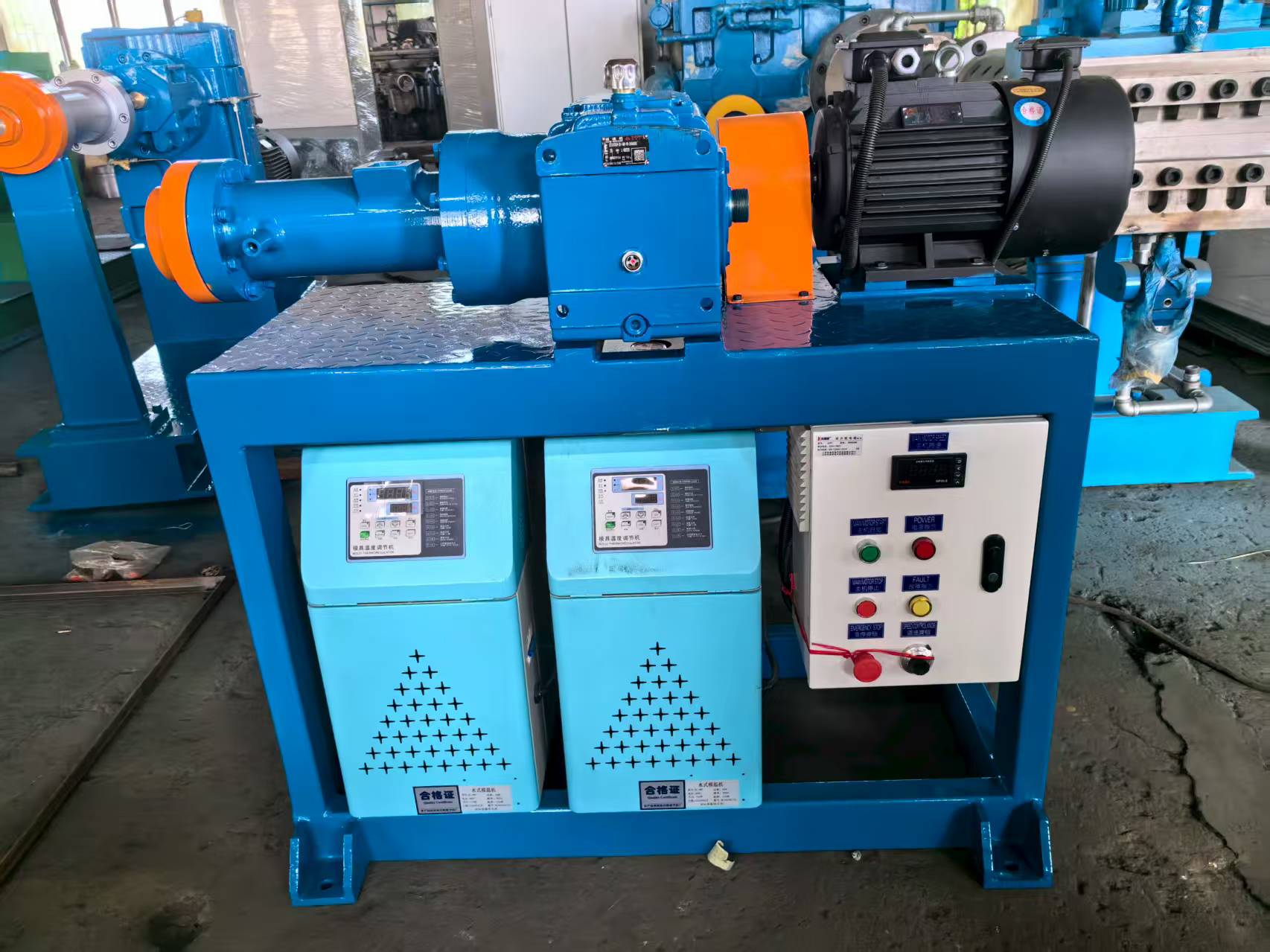
Most vendors can make a canned demo look flawless. That tells you almost nothing about how the tool will handle your actual data or your team's workflow. Ask for a trial run that uses a realistic slice of your own information—maybe a subset of customer records or a few representative projects—so you can see where the software struggles and where it genuinely saves time.
Sample output matters just as much as the live session. Request that the vendor prepare a report, dashboard, or exported file based on the sample data you provided. Compare that output side by side with what you currently produce. If the formatting is off, the calculations are opaque, or the results need heavy manual cleanup, that's a warning sign no polished demo would reveal.
A trial run also gives your team a chance to touch the product without the vendor driving the clicks. Let the people who will actually use it sit down, make mistakes, and ask questions. Their hesitation or confusion during a hands-on session is often more informative than the vendor's scripted talking points.
Dig Into Their Maintenance Response Times and Spare Parts Strategy
A vendor’s maintenance response time tells you how seriously they take equipment uptime after the sale. Ask for concrete numbers: average time to first response, typical on-site arrival window, and how they prioritize emergency calls versus routine servicing. If a supplier hesitates to share these metrics or hides behind vague promises like “we’re always quick,” treat that as a red flag. In industries where downtime costs thousands per hour, a four-hour delay in getting a technician on the phone can erase whatever you saved on the initial purchase.
Spare parts strategy is equally revealing. Dig into whether they stock critical components locally or rely on overseas warehouses with long lead times. Ask how they handle obsolete parts for older equipment—do they offer refurbished alternatives, or are you forced into a costly upgrade? A well-planned spare parts network should include a transparent inventory list, guaranteed availability windows for high-failure items, and a clear process for rush orders. Without this, a minor failure can spiral into weeks of waiting for a single bearing or circuit board.
Finally, look at how the two elements connect. The best vendors tie response times to spare parts logistics, such as dispatching a technician with the most likely needed parts already loaded in the van. Ask for real case studies where they resolved a breakdown under pressure, including the exact timeline and parts used. If their answer focuses only on speed without mentioning parts availability, you’re likely dealing with a reactive operation rather than a proactive partner who understands that maintenance is an ongoing cost, not a one-time afterthought.
Evaluate Their Experience With Your Specific Polymer or Compound
Assessing how a polymer actually behaves in your process rarely comes down to the datasheet numbers. We usually start by having the customer run a small trial batch and report back on things like melt pressure stability, color shift, or whether the material clogs the feed throat. Those observations tell us more than any lab tensile test could.
One client switched from a standard polyamide to a heat-stabilized grade and immediately noticed a drop in injection pressure spikes, but also a slight increase in cycle time due to slower crystallization. That trade-off wasn't obvious from the technical literature, yet it mattered for their output. We now ask every new user to track cycle time and scrap rate during the first week, not just mechanical properties.
The real test is how the compound behaves after three months in a hot, humid warehouse or under repeated thermal cycling. A few customers have reported surface blooming with certain antioxidant packages at elevated temperatures, even though accelerated aging tests showed no issue. That kind of field feedback forces us to re-evaluate additive loadings and sometimes recommend a different processing aid altogether.
Request a Transparent Breakdown of Lifetime Operating Costs
Before committing to any major equipment or vehicle purchase, ask the vendor to provide a full lifetime cost estimate that goes beyond the sticker price. A credible breakdown will itemize energy or fuel use under realistic operating conditions, scheduled maintenance intervals and parts prices, typical repair frequencies, consumables, insurance, and even projected downtime for service. If a supplier hesitates to share this level of detail, treat that as a warning sign. Request data from actual users or third-party field reports rather than relying on marketing claims.
The most useful breakdowns separate fixed costs that accrue regardless of usage from variable costs that rise with operating hours or output. Ask for three scenarios—light, average, and heavy use—so you can see how the total shifts. Also check what the warranty actually covers in terms of labor and components, and what exclusions exist. Once you have these numbers, calculate the cost per unit of work or per year over the expected service life. That single figure often reveals a very different ranking than the initial purchase price alone.
Talk to Plant Operators Who Run Their Extruders Daily
The best insights rarely come from manuals or sales reps. They come from the people who adjust barrel temperatures at 2 a.m., who know the exact sound a worn screw makes, and who have learned—through trial, error, and occasional scrap—what actually works on the line. If you want to understand an extruder, skip the brochure and find the operator who has run it for five years straight.
Ask them about the materials that cause the most headaches, the die designs that clog too often, and the control settings they override despite what the recipe says. You will hear about moisture sensitivity, melt pressure spikes, and the subtle signs of screw wear that no datasheet ever mentions. These are the details that separate a smooth production run from a shift spent troubleshooting.
More importantly, watch how they respond to problems. A seasoned operator does not panic when the amperage jumps or the output drops. They know which parameters to check first, which adjustments are safe, and when to shut down before a minor issue becomes a major rebuild. That kind of practical knowledge cannot be found in a training video—it lives in the daily rhythm of running an extruder.
FAQ
Focus on the supplier's ability to handle your specific material and throughput range. Ask for examples of similar production lines they have built, and check whether they can provide complete systems rather than just the extruder itself. A partner with in-house machining, assembly, and testing tends to catch issues before equipment reaches your floor.
It is often the difference between a minor hiccup and days of downtime. Look for suppliers who offer rapid remote diagnostics, a local service network, and readily available spare parts. Ask existing customers how quickly issues were resolved, not just whether the machine worked out of the box.
Local suppliers can shorten lead times and simplify communication, but overseas manufacturers may offer advanced technology or lower upfront costs. Balance the total cost of ownership, including installation, training, and long-term support. If you choose an overseas partner, make sure they have a proven local agent or service team.
Customization matters when your material, output target, or downstream process differs from standard configurations. A strong supplier will adjust screw design, barrel length, and control systems to your actual production data instead of pushing a generic model. Ask whether their engineering team revisits specs after trials, because small adjustments often determine real-world performance.
Request a detailed reference list and contact a few customers with similar applications. Visit the supplier's facility if possible, and pay attention to how they document testing and quality control. A factory audit plus a trial run with your own material reveals more than any brochure or sales pitch.
Be wary of suppliers who avoid sharing detailed specifications, have no clear escalation path for service issues, or quote prices far below the market without explaining how. Other red flags include vague delivery commitments, frequent changes in project managers, and a lack of documented testing procedures.
A supplier's promised lead time is only useful if they have a track record of meeting it. Ask for a production schedule with milestones, and clarify what happens if delays occur. Suppliers who keep critical components in stock or have flexible assembly capacity can often absorb unexpected demand without pushing your project back.
Yes, deeply. Extruders handle very different behaviors depending on polymer, filler, regrind content, or temperature sensitivity. A supplier familiar with your specific material can recommend the right screw geometry, venting, and barrel coatings, which directly affects melt stability, output consistency, and energy use.
Conclusion
Choosing an extruder supplier demands more than scanning spec sheets. Before you send a single inquiry, map out where your current or planned line struggles—whether it is melt temperature drift, screw wear with abrasive compounds, or downtime during changeovers. Suppliers who ask about these specifics rather than pushing a standard model are already worth a second look. When you narrow the field, insist on running your own material through their equipment, not just watching a polished demo. A trial that produces actual sample output under your target throughput and pressure reveals far more about barrel cooling, venting, and dimensional stability than any brochure. Dig into how they handle breakdowns: ask for realistic response times, local spare parts inventory, and whether they stock critical wear items like screws, barrels, and heaters. If the answer is vague or points only to a distant warehouse, walk away.
Polymer experience matters more than brand familiarity. A supplier who has processed similar filled or recycled compounds understands screw geometry, corrosion resistance, and torque requirements without guesswork. Ask for references and then, crucially, talk to plant operators who run those extruders daily—not just the maintenance managers or purchasing agents. Operators will tell you about nuisance alarms, difficult cleanouts, or whether the control interface actually helps during a midnight shift. Finally, demand a transparent breakdown of lifetime operating costs: energy per kilogram, expected screw and barrel life, seal and heater replacement intervals, and labor needed for routine upkeep. A lower purchase price often hides higher energy draw or shorter wear life. Reliable partners will not hesitate to share this data; they know their equipment is measured over a decade, not on the invoice.
Contact Us
Contact Person: Chen Zhengwei
Email: [email protected]
Tel/WhatsApp: +86-13963975727
Website: https://www.sfcrubbermachine.com