
Expanded Graphite Exporter: Unveiling Production Hubs and Trade Networks
2026-07-13
A quiet revolution is unfolding in the flame retardant industry, and at its core lies expanded graphite—a material turning heads for its eco-friendly fire suppression properties. As global demand leaps, the spotlight shifts to the production hubs and trade networks powering this niche. From the mines of China to the processing plants in Europe, every link in the supply chain tells a story of innovation and resilience. In this landscape, X.X.F.R stands out, bridging the gap between raw material sourcing and advanced flame retardant solutions. But where exactly do these production centers thrive, and how do trade routes shape the market? Let’s trace the journey.
Where Expanded Graphite Begins: A Look at Primary Production Zones
Expanded graphite doesn't just materialize out of thin air—its journey starts deep underground in a handful of countries blessed with the right geological conditions. China leads the pack by a wide margin, its vast crystalline graphite reserves in Heilongjiang and Shandong provinces fueling a robust mining and processing industry. India follows, with the Jharkhand and Odisha regions contributing significant flake graphite output, much of which ends up in expandable form. Brazil and Canada also carve out their niches, leveraging high-purity deposits in Minas Gerais and Quebec, respectively, to supply specialized markets.
What makes these zones so productive isn't just the sheer volume of graphite but the quality of the flakes. Large, well-crystallized flakes with minimal impurities are the gold standard for expanded graphite because they intercalate and exfoliate more uniformly. Mining operations in these primary zones often integrate downstream processing, turning raw ore into expandable graphite on-site before shipping it worldwide. This vertical integration cuts costs and ensures tighter control over flake size and carbon content, two factors that directly influence the expansion ratio and final material performance.
Beyond the big four, other regions are quietly ramping up exploration. Mozambique's Ancuabe mine has emerged as a noteworthy supplier of large-flake graphite, while Madagascar's flake graphite projects are attracting investment for their low impurity profiles. Even parts of Scandinavia are seeing renewed interest. These emerging zones could reshape supply chains in the coming years, especially as demand for fire-resistant building materials, battery thermal management, and flexible graphite foil keeps climbing. Knowing where the graphite comes from isn't just geography—it's a key to predicting material consistency and availability.
Mapping the Journey: How Expanded Graphite Reaches Global Markets
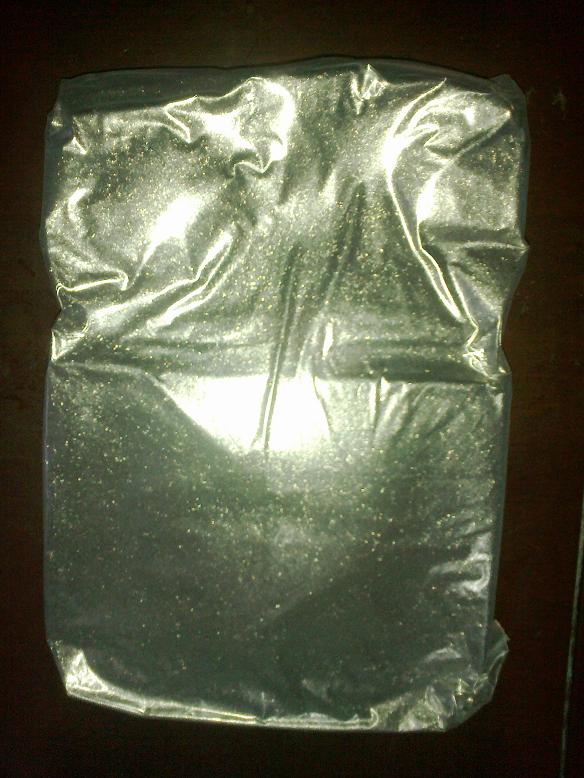
Expanded graphite doesn’t just appear on international doorsteps by accident. Its route from processing plants to end users spans a complex web of logistics, regulations, and strategic decisions. The journey begins with raw flake graphite, mined primarily in China, Brazil, and Mozambique, which is then chemically treated and exfoliated in specialized facilities. From there, the material moves through a chain of distributors, traders, and manufacturers, each step adding a layer of quality checks and certifications.
Shipping expanded graphite poses unique challenges. Because of its low density and high volume, efficient packing is critical to keep freight costs manageable. Many producers compress it into blocks or pellets, which are later re-expanded at the destination. This compression not only saves space but also reduces the risk of moisture absorption during transit. Maritime and ground routes are carefully chosen based on the material’s final use—whether it’s destined for automotive gaskets in Europe, fire retardants in North America, or battery components in Asia.
Trade policies and regional standards further shape the map. Tariffs, import licenses, and environmental compliance rules vary widely, forcing suppliers to stay nimble. For example, European REACH regulations demand rigorous documentation, while growing demand in electric vehicle markets pushes producers to secure reliable, fast routes. In the end, the global journey of expanded graphite is a balancing act between cost, speed, and regulatory savvy—a path that is constantly being redrawn as markets evolve.
Inside the Expansion Process: Technology and Material Transformation
At the core of any expansion process lies the delicate interplay between advanced technology and material behavior. When a material is stretched or shaped, it's not just about pulling it apart—heat, pressure, and precise timing all come into play. Modern machinery uses real-time sensors to track stress distribution, ensuring the material's integrity isn't compromised. For metals, this might mean carefully controlled cold working to enhance grain structure, while polymers could undergo biaxial orientation to boost clarity and tear resistance. The goal is to push the material beyond its original limits without introducing defects that could lead to catastrophic failure down the line.
The transformation isn't purely physical—it often alters the material's chemical makeup on a microscopic level. Take the expansion of blown film, for instance: molten polymer passes through a circular die, and as air inflates the bubble, the polymer chains align in ways that dramatically improve tensile strength and barrier properties. Similarly, in tube hydroforming, metal tubes are expanded inside a die using high-pressure fluid, achieving complex shapes while maintaining uniform wall thickness. These processes leverage the inherent ductility of the substance, but success hinges on accurate temperature control and the ability to predict how the material will respond—knowledge typically built from years of empirical testing and metallurgical insight.
What's often overlooked is the role of tooling and surface interaction during expansion. The texture and coating of dies or mandrels can influence friction, heat buildup, and material flow, leaving microscopic imprints that affect final performance. Lubrication systems have evolved from simple oil baths to precision-applied films that chemcially bond with the material surface, reducing galling and extending tool life. Even the speed of expansion matters: go too fast, and you risk tearing; too slow, and you invite unwanted recrystallization. It's this constant balancing act—between power and restraint, heat and cooling, speed and dwell—that turns raw stock into components with enhanced functionality and a longer service life.
Key Exporting Nations and Their Role in the Supply Network
A handful of countries dominate the global export landscape, each carving out a specialized niche that keeps the wheels of international trade turning. China, for instance, has evolved far beyond being a low-cost assembly hub; it now leads in high-tech components, electronics, and machinery, while simultaneously serving as the world's primary exporter of manufactured goods. Germany’s reputation for precision engineering secures its place in automotive and industrial equipment markets, often becoming the linchpin for manufacturing supply chains across Europe and beyond. Meanwhile, the United States leverages its advanced agricultural sector and intellectual property-driven products, exporting not just raw materials but also the software and services that underpin modern logistics networks.
These exporting powerhouses do not operate in isolation—they are deeply embedded in a web of interdependencies that can amplify both efficiency and vulnerability. When Vietnam became a major alternative for textiles and electronics, it didn't simply replace China; it integrated into the same regional logistics routes and raw material flows, binding the supply network even tighter. Similarly, Chile's copper exports are so central to the production of electrical wiring and renewable energy systems that any disruption in its mines ripples across automakers in Germany and solar panel factories in India. This tangled connectivity means that policy shifts, labor strikes, or climate events in one exporting nation can recalibrate prices and availability for a wide range of downstream industries.
The role these nations play extends beyond mere volume; they often shape the operational norms and resilience strategies of entire sectors. Japan and South Korea, for example, have turned their export competitiveness in semiconductors and displays into strategic leverage, compelling importers to maintain buffer stocks and invest in alternative sources. Australia’s dominance in iron ore and liquefied natural gas has effectively set the baseline costs for construction and energy across Asia, influencing long-term infrastructure planning. As businesses navigate shifting trade alliances and sustainability pressures, the geographic concentration of critical exports remains a silent force that dictates everything from inventory strategies to diplomatic negotiations.
Market Drivers Behind the Growing Demand for Expanded Graphite
The surging interest in expanded graphite is largely fueled by the global push for energy efficiency. Industries are under pressure to minimize heat loss and improve thermal management, creating a steady appetite for advanced sealing and insulation materials. Expanded graphite’s ability to withstand extreme temperatures without degradation makes it a go-to choice for gaskets, packing, and heat shields in power plants, chemical processing, and automotive exhaust systems. As emission regulations tighten and operational costs climb, manufacturers are turning to materials that offer long-term reliability, directly boosting consumption.
Beyond thermal applications, the rise of flexible electronics and renewable energy systems has opened fresh avenues. Expanded graphite serves as a lightweight, conductive filler in polymer composites used for electromagnetic shielding and battery components. The shift toward electric vehicles, in particular, has amplified demand for high-performance thermal interface materials and flame-retardant parts, where expanded graphite’s unique combination of properties outshines traditional additives. This crossover into consumer electronics and clean energy infrastructure is reshaping demand patterns and attracting investment in capacity expansion.
Supply chain dynamics are also playing a role. Natural graphite mining and processing are concentrated in a few regions, prompting end users to secure reliable sources of value-added derivatives like expanded graphite. Meanwhile, stricter fire safety standards in construction are accelerating the adoption of expandable graphite-based intumescent coatings and foams. These regulatory tailwinds, combined with the material’s cost-effectiveness compared to exotic alternatives, create a compelling business case that is hard for industrial buyers to ignore.
Trade Lanes and Logistics: The Arteries of Graphite Commerce
The global movement of graphite, from mine to manufacturer, hinges on a web of trade routes that have quietly evolved over decades. Unlike high-profile commodities, graphite's journey often starts in remote mining regions—Madagascar's laterite deposits, Mozambique's flake-rich basins, or China's northern provinces—where raw material must traverse underdeveloped infrastructure before reaching ports. These initial legs, frequently relying on truck convoys and regional rail spurs, set the rhythm for the entire supply chain. Delays here ripple outward, shaping the reliability that downstream industries have come to expect, or learned to buffer against.
Maritime shipping remains the backbone, with bulk carriers and container vessels ferrying thousands of tonnes across the Indian Ocean, through the Malacca Strait, and into major processing hubs in Asia. A significant share of natural graphite flows into China for purification and shaping, then re-exports as anode material to battery plants in Europe and North America. This circular routing creates a dependency that is both cost-efficient and vulnerable. Port congestion, shifting freight rates, and geopolitical friction in chokepoints like the Suez Canal or the South China Sea can divert vessels onto longer, more expensive paths, quietly inflating the cost of energy storage before it hits the factory floor.
Logistics providers have adapted by diversifying warehousing and intermodal solutions—stockpiling graphite in bonded zones near Rotterdam or Savannah to decouple delivery timelines from production hiccups. Meanwhile, the push for localized battery supply chains is redrawing the map, spurring investment in processing facilities closer to end-users. Yet the physical reality of moving bulk minerals means that trade lanes cannot be redrawn overnight. The arteries of graphite commerce remain a blend of century-old port infrastructure and just-in-time digital tracking, a balance between the deeply traditional and the urgently modern.
FAQ
Expanded graphite is valued for its high thermal conductivity, chemical stability, and lightweight nature. It’s widely used in sealing solutions, thermal management, and energy storage, including lithium-ion batteries where it improves performance and safety.
China is the global leader, leveraging vast natural graphite reserves and advanced processing facilities. Other significant producers include India, Brazil, and Canada, each contributing through mining and expanding capacities.
Trade flows often start from mining hotspots to processing plants, then onward to manufacturing centers in Europe, North America, and East Asia. Intermediaries and specialty distributors help navigate regulatory and technical requirements across borders.
Raw material purity, energy prices for expansion processes, regional environmental regulations, and logistics expenses all play a role. Fluctuations in demand from sectors like electric vehicles can also cause price swings.
Countries like Mozambique and Tanzania are gaining attention due to new graphite discoveries and investments in processing infrastructure. If developed responsibly, they could diversify supply and reduce dependency on traditional producers.
Exporters must deal with stringent environmental standards, complex customs classifications, and competition from synthetic alternatives. Ensuring consistent quality across batches and navigating geopolitical tensions also add to the difficulty.
It’s a key component in fuel cells and advanced batteries, aiding the transition to cleaner energy. Its role in heat dissipation also supports efficiency in electronics and renewable power systems.
Conclusion
The global supply of expanded graphite hinges on a concentrated network of production zones where raw flake graphite undergoes a sophisticated thermal or chemical expansion process. Primary hubs are rooted in regions with abundant, high-purity graphite reserves—chiefly China’s Heilongjiang and Shandong provinces, alongside emerging pockets in Madagascar, Mozambique, and Brazil. Here, manufacturers employ specialized furnaces and intercalation techniques to heat graphite flakes to over 900°C, forcing the crystal lattice apart and yielding a lightweight, vermicular material prized for its fire retardancy and conductivity. This transformation not only multiplies the starting material’s volume but also magnifies its industrial versatility, setting the stage for downstream applications in gaskets, batteries, and flame barriers.
Once processed, expanded graphite enters a dynamic trade network dominated by a handful of exporting nations. China remains the heavyweight, leveraging integrated supply chains to ship both intermediate and value-added products, while Germany and Japan carve niches with high-performance grades. Market demand rides on multiple forces: the electric vehicle boom seeking thermal management solutions, stricter building codes requiring fire-resistant materials, and the durable seals demanded by oil refineries. These goods traverse key maritime corridors—from East Asian ports through the Strait of Malacca to Rotterdam, or overland via rail links into Central Asia—creating a logistical tapestry that blends bulk shipments with just-in-time delivery. Amid tightening environmental regulations and geopolitical currents, the trade arteries for expanded graphite are constantly being recalibrated, revealing an industry where resource geography, manufacturing prowess, and end-user pull converge.
Contact Us
Contact Person: Guohua Wang
Email: [email protected]
Tel/WhatsApp: 8613003442895
Website: https://www.xxflameretard.com