Custom Cosmetic Bottles: Design Your Signature Look
2026-08-01
In a world where first impressions matter, your product deserves packaging that tells its own story. Custom cosmetic bottles are more than just containers—they’re the signature of your brand’s identity. At Zhejiang Haitong Plastic Industry Technology Co., Ltd., we believe every curve, color, and cap should reflect your unique vision. Whether you’re launching a luxury serum or an eco-friendly lotion, the right design can captivate customers before they even try what’s inside. Let’s explore how to transform ordinary packaging into a masterpiece that speaks volumes.
Why Standard Bottles Never Capture You
Walk into any store and you’ll see them—rows of identical glass cylinders, mass-produced by the millions. They’re functional, yes, but they melt into a forgettable blur the moment you look away. The problem isn’t just that they’re simple; it’s that they’re safe. Designers default to the same narrow silhouettes, the same predictable labels, the same cautious color palettes because it’s cheaper and easier. But in chasing efficiency, they strip away the very thing that makes a bottle stand out: a personality. A standard bottle doesn’t invite curiosity or spark a memory. It simply exists, and in a world overflowing with options, existing isn’t enough to be remembered.
There’s a deeper reason these bottles fail to captivate—they don’t engage the senses. A standard shape offers no interesting textures to run your fingers over, no surprising contours that make you pause. They rarely play with light in unexpected ways or feel satisfyingly heavy in your hand. Without these small physical revelations, the object never transcends its utilitarian purpose. It becomes background noise, something you use but never truly notice. The most compelling bottles, by contrast, almost demand to be picked up and examined. They feel like a discovery, even if you’ve held them a dozen times before.
Maybe the biggest missed opportunity is the story that never gets told. Standard bottles communicate nothing beyond their contents—there’s no hint of origin, no whisper of craftsmanship, no feeling that someone agonized over every curve. The design language is mute. Yet a bottle with an unusual shape or distinctive finish can transport you before you even open it, suggesting old-world apothecaries, windswept coastal cliffs, or bustling urban nightscapes. When a bottle fails to share even a fragment of narrative, it severs the emotional thread that turns a one-time buyer into a lifelong fan. In the end, safety comes at the steepest cost: irrelevance.
Unleashing Imagination Through Materials & Finishes
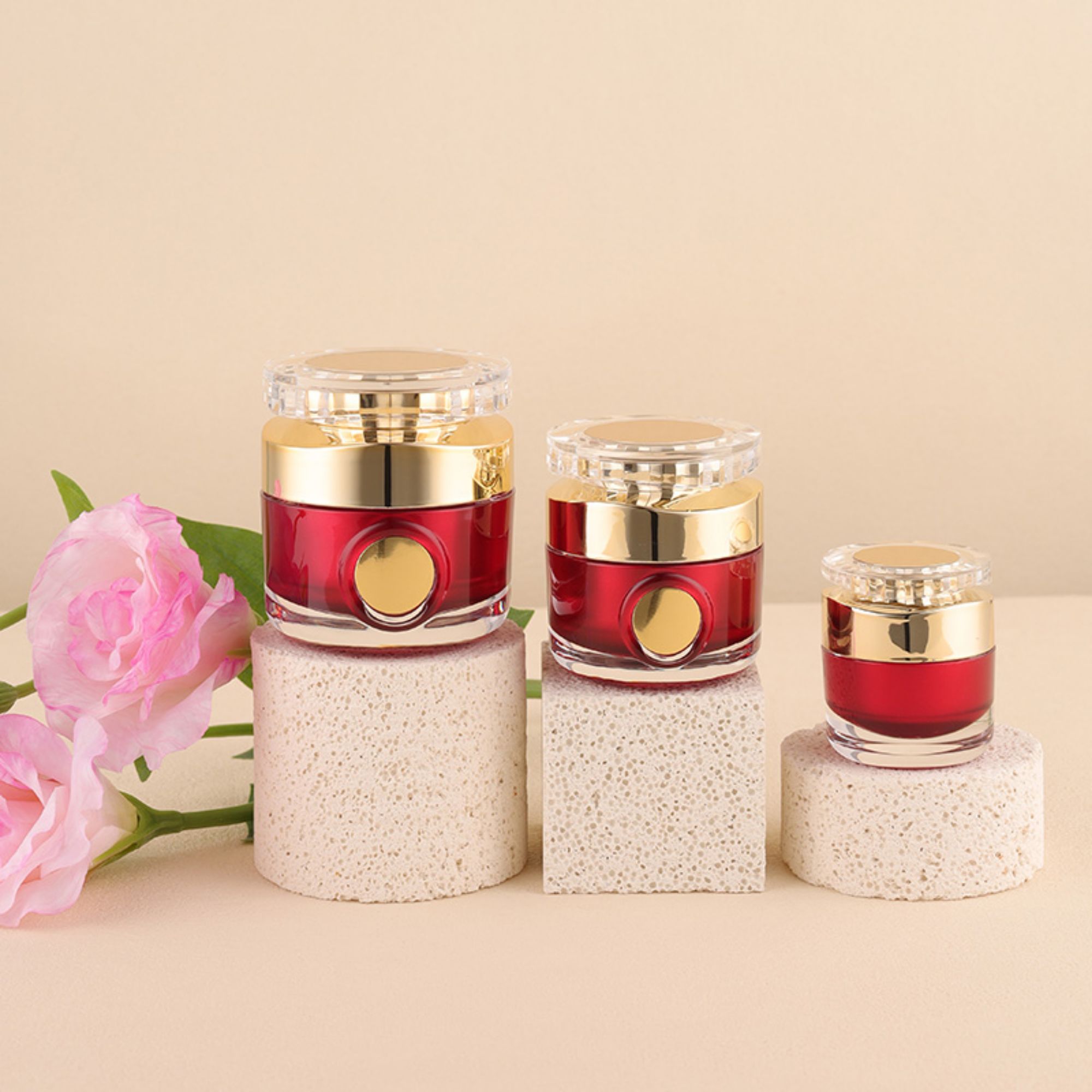
Materials are more than just the building blocks of a design; they’re the catalysts that spark unexpected ideas. Run your fingers over a brushed brass surface, and you might suddenly see a narrative of warmth and timelessness. Contrast that with the cool, industrial hum of polished concrete, and the space begins to tell a different story entirely. It’s this tactile dialogue that breaks creative ruts, nudging us away from the expected and into a world where a simple texture can evolve into a bold, narrative-driven concept.
Finishes, on the other hand, are the quiet transformers. A glossy lacquer can inject a dose of futuristic sophistication into an otherwise organic form, while a matte, rubberized coating asks to be touched, hinting at durability and comfort. When you start layering these effects—pairing a raw, splintered wood with a silky, iridescent glaze—you’re not just combining substances. You’re crafting a sensory experience that invites people to look closer, linger longer, and, most importantly, imagine what else could be possible.
This isn’t about following trend reports or ticking boxes on a specification sheet. It’s about letting curiosity lead. Grab a material sample you’ve never used before. Scuff it, polish it, expose it to light. Watch how it reacts. That moment of surprise—the way light catches a new texture or how a color shifts under different angles—is where true originality hides. By treating materials and finishes as partners in discovery, we unlock a playground where every surface has the potential to become the heart of the story.
The Art of Personalizing Shape and Silhouette
Silhouette is the first thing anyone notices about an outfit, yet it’s often the most overlooked element in personal style. It’s not simply about following trends—it’s about understanding how fabric falls on your unique frame. The art lies in making deliberate choices: a dropped shoulder seam here, a slightly tapered waist there. These subtle adjustments shift the entire energy of a garment, turning a generic piece into something that feels inherently yours. When you start seeing shape as a dialogue between your body and the cloth, dressing becomes less about covering up and more about revealing intention.
True personalization happens when you stop thinking in categories like “flattering” and start experimenting with proportion. Perhaps you pair an oversized blazer with slim trousers, then cinch it with a belt nobody else would think to use. Maybe you roll a cuff to expose an unexpected lining, or you let a hem trail longer in back. These moments disrupt the expected outline and create a silhouette that can’t be replicated off the rack. It’s about learning to read the negative space around your body—where the fabric ends, where it pools, where it grazes the skin. That negative space is yours to shape.
Ultimately, the silhouette you build should echo how you want to move through the world. A rounded, cocoon-like shape conveys something entirely different from sharp, architectural lines. The art isn’t about mastering rules; it’s about cultivating a sensitivity to what certain shapes do to your posture, your mood, your presence. Over time, you develop an instinct for tweaking patterns, altering ready-to-wear, or choosing cuts that feel like an extension of your own posture. That’s when silhouette stops being a fashion term and becomes a personal signature.
Adding Your Mark with Custom Details
Infusing your work with distinctive touches transforms the ordinary into something memorable. Whether it’s a hand-painted motif on a ceramic piece or an engraved pattern on metalwork, these intentional additions speak louder than any signature. They tell the story of your process, your inspiration, and the moments that shaped the creation.
Consider the details that resonate with you personally—a favorite color, a recurring symbol, or a texture that feels like home. When you weave these into your design, you’re not just decorating; you’re building a connection between your identity and the final piece. It’s this authenticity that draws people in, making the object not just seen, but truly felt.
The key is subtlety and consistency. A well-placed detail should feel organic, not forced. Over time, these small, thoughtful marks become your silent trademark, instantly recognizable to those who know your work. It’s the quiet confidence of a craftsperson who knows that greatness often lives in the tiniest features.
Eco-Conscious Choices for a Standout Look
Building a wardrobe that reflects your personality doesn’t have to come at the planet’s expense. More than ever, designers are turning to innovative materials like Piñatex (made from pineapple leaf fibers) and Mylo (derived from mushroom roots), which feel as good as they look. These fabrics challenge the outdated idea that sustainability means sacrificing style—instead, they add texture and depth that synthetic alternatives can’t replicate. When you choose pieces crafted from recycled ocean plastics or organic cotton dyed with low-impact pigments, you’re not just making a statement; you’re wearing a story of intentional design.
Standing out isn’t about chasing fast trends; it’s about curating items that speak to your values. Second-hand and vintage shopping has evolved into a treasure hunt for one-of-a-kind pieces that no one else will have. From a perfectly worn leather jacket to a 90s silk slip dress, pre-loved fashion brings an edge to your look that mass production simply can’t mimic. Pair these finds with modern eco-essentials, and you create a tension between eras that feels fresh and entirely your own.
Even the smallest details can shift your aesthetic while treading lightly on the earth. Accessories made from upcycled bicycle parts or reclaimed wood offer an industrial yet refined touch. Footwear brands are now crafting sneakers from algae-based foams, proving that performance and ethics can walk hand in hand. The real standout is the confidence that comes from knowing your choices align with a more mindful way of living—and that aura is something no brand can manufacture.
From First Sketch to Holding Your Vision
That inked line on a napkin or the messy doodle in the corner of a notebook—those raw marks hold the seed of something real. The distance between that impulsive stroke and holding the final object in your hands can feel impossibly wide. It’s a path littered with crumpled paper, half-erased lines, and moments of quiet doubt. Yet each revision, each rethinking of a curve or joint, pulls the abstract closer to the tangible. You learn to trust the process, letting the initial idea breathe and evolve rather than suffocating it with over-polishing too early.
Conversations with makers who’ve walked this road reveal that the magic isn’t in avoiding mistakes but in translating them into refinements. A misjudged shadow on the page becomes a lesson in material thickness. A lopsided proportion teaches you about balance and weight. Slowly, through prototypes and mockups, the vision stops being a ghost and starts occupying space. There’s a peculiar intimacy in that shift—when the thing you’ve only seen in your mind’s eye finally rests against your palm, still carrying echoes of the original scribble.
The journey from sketch to object isn’t a straight line but a loop. You sketch to understand, build to test, and then return to the page to capture what you’ve learned. That feedback tightens the link between imagination and craft until the boundary blurs. Don’t underestimate the power of those first clumsy marks. They’re not just directions; they’re promises you make to yourself—promises you can hold, eventually.
FAQ
Start by choosing your bottle shape from our library—classic round, sleek cylinder, or something more sculptural. Then pick a pump, cap, or dropper style that feels like your brand. We'll send you a digital mockup within 48 hours so you can tweak every detail before production.
Absolutely. Send us your Pantone code or a physical sample, and we'll color-match the bottle precisely. You can also request gradient fades, metallic finishes, or frosted effects. We keep a custom color chip on file for future reorders.
We stock premium options like heavy-weight PET, frosted glass, and PCR (post-consumer recycled) plastics. For a luxe feel, try our soft-touch matte coating. If sustainability matters to your brand, we also have ocean-bound plastic alternatives that don't compromise on clarity or durability.
We get it, launching is risky. That's why we offer runs as low as 500 units for custom bottles, with no tooling fees on standard shapes. As you grow, we scale with you and keep your per-unit cost decreasing.
Most projects complete in 3–4 weeks: a week for design and approvals, then 2–3 weeks for production and quality control. Rush orders can ship in 10 business days if you're in a pinch. We'll coordinate with your filling house to make sure everything fits their lines.
Yes, we specialize in custom molds for completely unique silhouettes. Embossing or debossing your logo directly into the glass or plastic gives a tactile, high-end finish. Our mold-making partners are fast, and we'll show you 3D renderings before cutting steel.
Sample orders are encouraged. We can produce 12–50 fully decorated bottles so you can photograph them, test compatibility with your formula, or hand them to influencers. Samples typically ship within 7 days using your chosen colors and finishes.
We conduct compatibility testing with your product formula. Our liners and materials are rated for everything from water-based serums to aggressive active ingredients like retinol and vitamin C. You'll get a signed compatibility report before full production.
Conclusion
Standard bottles have a way of blending into the background, never quite capturing the essence of a brand or the personality behind the product. Imagine instead a vessel that speaks before it's even opened—this is where custom cosmetic packaging begins its magic. By stepping beyond off-the-shelf solutions, you unlock a world of materials and finishes that can echo everything from opulent velvety soft-touch coats to gleaming metallic accents. The journey continues with shape and silhouette; it's not just about containing a formula but sculpting a tactile experience. Maybe it's a curve that fits perfectly in the palm, an unexpected geometric edge, or a sculptural form that doubles as bathroom art. These choices transform a simple container into an extension of the wearer's identity, something that feels uniquely yours the moment you see it.
It's the finer details, however, that truly make a bottle your own. Embossed monograms, laser-etched patterns, or a cap color that's been matched to a signature lip shade—these personal marks whisper thoughtfulness. And in a time when conscious beauty matters, sustainable materials like recycled glass, refillable designs, or plant-based plastics let your bottle stand out for all the right reasons. Witnessing the evolution from a rough sketch to holding the final product is deeply satisfying; it's a collaborative process where your vision takes physical form, ensuring no shelf presence feels quite like yours. Ultimately, designing a custom cosmetic bottle is about crafting a signature look that's unmistakably you, from the first glance to the final drop.
Contact Us
Contact Person: Kara Yang
Email: [email protected]
Tel/WhatsApp: 8618857568397
Website: https://www.haitongplastic.com/