
Clean Label Solutions Exporters Drive Trust in Global Ingredient Markets
2026-11-18
Global ingredient buyers are no longer just asking what's inside a product—they're asking who stands behind it. ZIPIN has built its name by turning clean label demands into export-ready trust, one shipment at a time.
The Exporters Winning on Ingredient Clarity
A buyer at a Dutch health-food chain once gave a Chilean dried-fruit exporter ninety seconds to justify a spot on her shelf. The exporter skipped the usual story about family farms and handed over a sample with a short front label: “mango, no sulfites, no cane sugar, no added oils.” That directness did more than the previous year of email follow-ups. It turned a hesitant trial into an annual contract because the buyer could see exactly what she was dealing with without opening a single specification sheet.
Other exporters are pushing the same idea further with batch-level records. A Vietnamese coconut processor now prints a small code on every carton that links to harvest dates, drying temperature curves, and the lab report for that specific production run. Scandinavian buyers, who often have strict incoming inspection rules, used the data to cut their own testing time by more than half. The interesting part is that the supplier didn’t add more claims. It just made the existing information easier to reach and easier to verify.
What separates these companies is not a marketing budget or a new certification. They write ingredients the way a careful buyer reads them: specific, plain, and without convenient hiding places. “Vegetable oil” becomes cold-pressed sunflower oil from a named region. “Natural flavor” becomes the actual fruit or spice it came from. At first this feels like exposure, but in practice it reduces the back-and-forth that usually slows down export deals. The suppliers who accept that exposure tend to move from sample to repeat order much faster.
What Global Buyers Check Before Trusting a Clean Claim
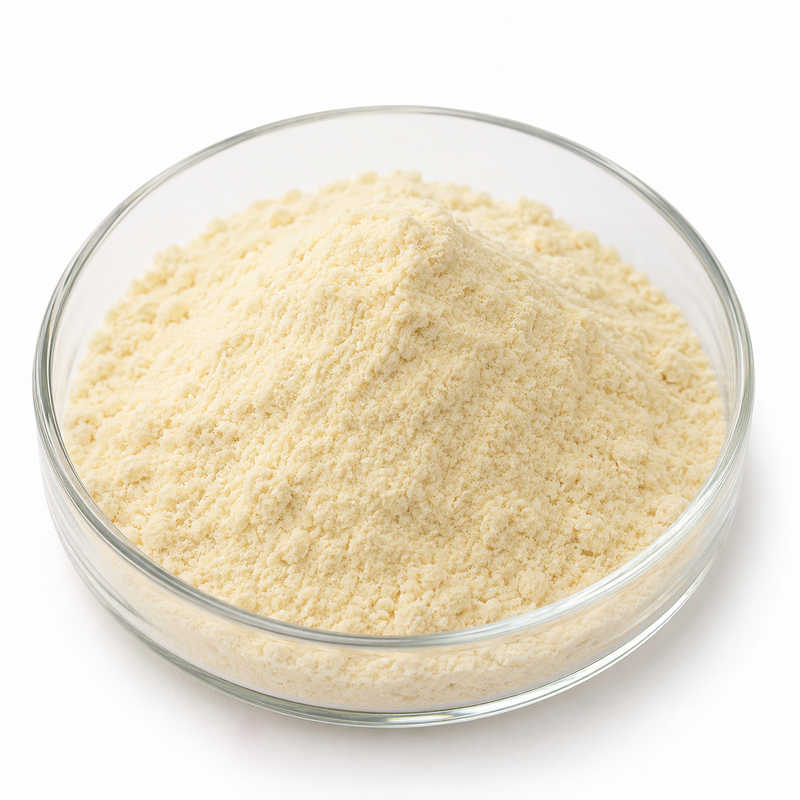
Global buyers rarely take a clean claim at face value. They start by comparing the language on the front of the package with the actual ingredient list and any certification marks. A term like 'plant-based' or 'non-toxic' means little unless the formulation, fragrance disclosure, and preservative system back it up. Many sourcing teams now request full ingredient dossiers, pH ranges, and stability data before a claim even enters the shortlist.
Beyond the formula, buyers look at how a brand handles traceability and manufacturing. They ask whether the supplier can name the processing facility, confirm allergen controls, and show batch-level test results for contaminants or residual solvents. Third-party certifications help, but they are not a shortcut. Buyers tend to trust claims more when the company is willing to share unredacted documentation and answer technical questions without deflecting.
Clean Labels Are Moving From Promise to Proof
Clean label has spent years leaning on soft phrasing—“made with real ingredients” or “free from artificial flavors.” That language no longer does much on its own. Shoppers have become fluent in back-panel skepticism, and they increasingly expect a brand to show its work, not just make a short claim. The shift is especially visible in categories like snacks, beverages, and frozen meals, where ingredient lists are being treated as evidence rather than fine print.
What proof looks like varies by product. For some, it means a drastically shorter ingredient list with names people recognize. For others, it is third-party certification, batch-level traceability, or published testing data for contaminants and residual solvents. A growing number of brands now link a QR code to the exact source of a key ingredient or the date it was processed. These details turn an abstract promise into something closer to a verifiable record.
That raises the stakes for product developers and supply chain teams. Removing additives without shortening shelf life or changing texture is harder than adding another reassurance to the package. The companies making real progress are treating clean label as an operational standard, backed by documentation and reformulation work, rather than a set of adjectives on the front of a pack.
Why Shorter Ingredient Lists Can Open Bigger Markets
Shoppers have grown tired of labels that read like lab notes. A shorter list does more than look clean; it answers the quiet question people ask when they turn a package over: Can I picture what is actually in this? When that answer comes without a struggle, hesitation fades and the product feels safer to place in the basket. That small moment of comfort can be enough to turn a curious first-time buyer into a steady one.
There is a practical advantage too. Fewer ingredients often mean fewer moving parts in sourcing, production, and cross-border compliance. A simple formula that can enter multiple markets without constant reformulation saves real time and money, while also making conversations with retailers shorter and easier.
The brand benefit is quieter but just as powerful. A label short enough to scan in a few seconds signals restraint. On crowded shelves where long ingredient paragraphs are common, that restraint stands out, especially to buyers who care less about bold promises and more about knowing exactly what they are bringing home.
The Supply Chain Signals Behind Credible Clean Label Exports
Buyers in stricter markets rarely accept a clean label claim at face value. They look at quieter signals behind the shipment: lot-level traceability that reaches past the first supplier, raw material documentation that holds up under audit, and whether the exporter can explain a batch's journey from harvest to pack without hesitation. A package may say nothing artificial, but credible suppliers are the ones whose records make that statement unremarkable.
Some of the most reliable evidence is buried in testing logs and changeover records. Exporters that run multi-residue screens on incoming botanicals, track mycotoxin risk by growing region, and maintain segregated line clearances for allergen-free runs create a trail that port officials and buyers can follow quickly. That kind of operational transparency tends to reduce hold time and questions more effectively than another certificate on the wall.
Procurement habits also send a signal. A supplier that commits to a smaller network of contracted farms with fixed harvest windows and shared storage standards is making a deliberate trade-off. It gives up some spot-market flexibility in exchange for tighter control over variability. Over repeat shipments, that choice becomes visible, and it often tells buyers more about the strength of a clean label position than the wording on the label itself.
How Transparency Becomes a Repeat Purchase Driver
Trust rarely comes from a single flawless transaction. It accumulates when a company explains why a shipment is late, lists every material in a product without hiding behind vague terms, or shows the real cost breakdown before checkout. Those small disclosures lower the mental effort of buying again because the customer no longer has to guess what they will actually receive.
Repeat purchases often hinge on remembered friction, not remembered discounts. When a brand is open about limits, delays, or ingredient changes, it gives people a reason to return that has nothing to do with loyalty points. The second order feels less like a gamble and more like choosing a known quantity, which is exactly what most shoppers want after a bad experience somewhere else.
FAQ
It usually points to shorter ingredient lists, familiar raw materials, and fewer synthetic additives, but the exact expectations shift from one market to another. Exporters often need to interpret buyer requirements around processing aids, natural flavors, and preservatives instead of assuming one fixed definition applies everywhere.
Importers are under pressure from retailers and shoppers to explain what is inside finished products. When an exporter can show clean sourcing records, simplified processing, and transparent documentation, it lowers the perceived risk of bringing ingredients into a new market.
Many use a combination of third-party audits, contaminant testing, and batch-level traceability to support what they claim. Opening facilities to buyer inspections and sharing detailed technical files about origin, handling, and storage tends to carry more weight than broad marketing language.
Bakery mixes, beverages, sauces, dairy alternatives, and snack seasonings often attract extra questions because they commonly rely on stabilizers, colors, or preservatives. Exporters in these areas are more likely to be asked for functional alternatives and shelf-life data.
Reformulation can reduce shelf stability, increase sensitivity to heat or moisture during transit, and raise costs. A supplier may also deal with conflicting national rules, where an ingredient permitted as clean label in one country still triggers regulatory or technical concerns in another.
No. Clean label is mostly about simplicity and consumer recognition, while organic and natural often involve separate legal or certification definitions. An ingredient can be marketed as clean label without being organic, just as an organic product may contain processing aids that some clean label buyers reject.
Smaller suppliers can lean on regional crop specificity, direct farmer relationships, or traditional processing methods that larger commodity players may not replicate easily. When they provide unusually granular origin data and respond quickly to technical audits, they can stand out despite having fewer resources.
Conclusion
Exporters that treat ingredient clarity as a commercial advantage are reshaping how global buyers assess product claims. The old promise-driven pitch no longer holds: importers, retailers and regulators now want verifiable proof behind every “clean” label. Winners in this space provide batch-level documentation, clear origin data, and supplier audits that turn a short ingredient list into a defensible statement. A concise formulation does more than appeal to consumers; it signals disciplined sourcing and lowers the perceived risk for buyers entering unfamiliar categories.
Behind credible exports sits a supply chain that can answer unexpected questions quickly—whether about processing aids, allergen cross-contact, or country-of-origin shifts. When that information is easy to obtain, transparency stops being a marketing term and becomes a repeat purchase driver. Buyers return to suppliers who reduce their compliance burden and help them avoid label disputes. In practice, clean label trust is built in the details: consistent specifications, honest communication about limits, and a willingness to show the evidence before it is asked for.
Contact Us
Contact Person: TANG JUN
Email: [email protected]
Tel/WhatsApp: +86-523-87608619
Website: https://www.zipinbiotech.com