
China Food Extruder Innovations: Shaping the Future of Global Snack Manufacturing
2026-05-19
The global snack industry is in the midst of a quiet revolution, and at its core are the remarkable advances in food extrusion technology coming out of China. From perfectly puffed corn curls to protein-packed lentil chips, the versatility and precision of modern extruders are redefining what's possible on production lines worldwide. At the heart of this transformation is MINGDE, a trailblazer whose innovative machinery is not just keeping pace with trends—it's setting them. But what exactly makes these new systems so groundbreaking, and how are they helping manufacturers stay ahead in an increasingly competitive market? Read on.
Rethinking Snack Production with Cutting-Edge Extrusion Technology
The snack industry has long relied on conventional methods that often compromise on texture, nutritional value, or production efficiency. Extrusion technology, however, is rewriting these rules by enabling precise control over ingredient composition and process parameters. This dynamic approach allows manufacturers to create snacks with complex shapes, multi-layered crunch, and tailored densities—all while maintaining a clean label. Instead of simply mixing and forming, extrusion cooks and shapes in a single continuous step, unlocking possibilities that were previously out of reach for mass production.
What makes modern extrusion truly transformative is its ability to incorporate diverse raw materials—from ancient grains and legumes to plant-based proteins—without sacrificing taste or texture. High-moisture extrusion, for example, can produce fibrous meat-like snacks directly from vegetable proteins, meeting the rising demand for sustainable alternatives. Meanwhile, low-shear, cold extrusion preserves heat-sensitive nutrients, making it easier to craft functional snacks with added vitamins or probiotics. The technology’s versatility means one line can shift between puffed chips, protein bars, or even breakfast cereals, drastically reducing changeover time and waste.
Beyond flexibility, extrusion offers a more sustainable production model. Energy consumption per kilogram of product is often lower compared to batch cooking, and the closed-system design minimizes water usage and effluent. Coupled with precise dosing, it curtails ingredient waste too. As consumer expectations evolve, manufacturers who embrace these cutting-edge extrusion systems can respond swiftly with innovative, better-for-you snacks that don’t just follow trends—they set them.
How China’s Extruder Advances Are Redefining Factory Efficiency
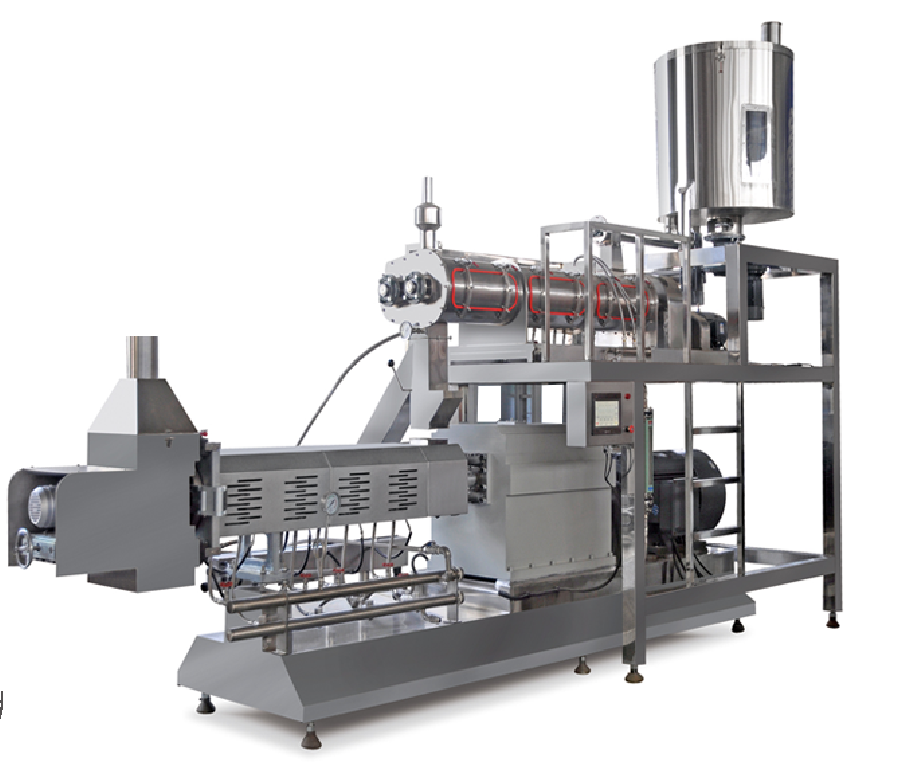
China's extruder sector has quietly undergone a transformation that goes far beyond incremental upgrades. Manufacturers are now embedding advanced thermal control systems and high-torque servo drives directly into their lines, slashing energy consumption while pushing output speeds to levels once thought impractical for certain polymers. The result isn't just faster production—it's a complete rethinking of how heat, pressure, and material flow are managed in real time, letting floor operators dial in profiles that minimize scrap without constant manual tweaks.
What separates recent Chinese machines from older generations is the deep coupling of hardware with software. Instead of bolting on sensors as an afterthought, many extruders now ship with integrated IoT modules that track barrel wear, melt uniformity, and motor loads continuously. This data feeds into predictive algorithms that flag anomalies days before they cause unplanned downtime, turning maintenance from a reactive chore into a scheduled, low-impact event. The practical effect is a measurable jump in overall equipment effectiveness, especially in high-volume packaging and construction material plants.
Modularity has also become a defining feature, challenging the one-machine-one-purpose mindset. Twin-screw configurations that can be reconfigured for different compounding tasks in under an hour are gaining ground, allowing shops to shift between PVC, engineering plastics, and even bio-based compounds without major line rebuilds. Combined with automated feed systems and inline quality checks, these setups are pressing line utilization rates into the high nineties while holding tight tolerances—a combination that quietly reshapes the cost calculus for many manufacturers.
From Cereal to Protein: Diversifying Global Snack Portfolios
For decades, cereal-based snacks like chips, crackers, and sweet biscuits dominated the global market, offering convenience and comfort at low cost. But shifting consumer priorities—driven by a growing focus on wellness, active lifestyles, and satiety—have pushed protein-rich alternatives into the spotlight. From chickpea puffs to meat-based bars, the snack aisle now tells a different story: one where indulgence meets functional nutrition. This move isn't just about adding a few “high-protein” labels; it’s a fundamental rethinking of raw ingredients, supply chains, and flavor profiles to match local tastes without losing the health halo.
Product developers are turning to diverse protein sources—pea, soy, egg white, and even insect flour—to create snacks that feel familiar yet carry a modern nutrient punch. In Asia, dried fish snacks and edamame crisps reflect a long tradition of savory, umami-driven eating, while in Latin America, brands experiment with bean-based chips that retain the crunch of fried corn snacks but deliver more fiber and protein. Meanwhile, big multinationals are acquiring or incubating smaller, agile brands that already understand these regional nuances, speeding up the portfolio shift. The result is a global snack landscape where the line between “treat” and “fuel” increasingly blurs, and the old cereal-centric model no longer defines the category.
Meeting Health-Conscious Markets Through Precision Engineering
Modern consumers increasingly view food through a lens of wellness, demanding products that align with their dietary goals without sacrificing taste or texture. Precision engineering steps into this space by offering manufacturers the ability to reformulate recipes at a granular level—adjusting fat, sugar, or salt content while preserving the sensory experience that keeps customers coming back. Rather than relying on broad strokes, this approach fine-tunes everything from particle size distribution to emulsification stability, creating healthier options that feel indulgent, not compromised.
Beyond basic nutritional tweaks, precision engineering enables the creation of functional foods with added benefits like higher fiber, protein fortification, or probiotics that survive processing. By tightly controlling parameters such as temperature, shear, and residence time during extrusion or mixing, producers can embed these sensitive ingredients without destroying their efficacy. The result is a portfolio of products that meet specific health claims—whether low-glycemic, gut-healthy, or heart-smart—while maintaining the clean labels and short ingredient lists that discerning shoppers now expect.
This engineering mindset also tackles the challenge of scaling up bench-top innovations without drift in quality. Using real-time sensors and adaptive process control, lines can self-correct to keep every batch within a narrow health target, turning sporadic “better-for-you” launches into a reliable, year-round market advantage.
Bridging Continents: China’s Role in Global Supply Chain Innovation
China has quietly woven itself into the fabric of global commerce, not simply as a manufacturing hub but as a bridge that reshapes how continents connect through supply chains. The innovation isn't always about flashy technology; it's often seen in the seamless movement of goods from a factory in Shenzhen to a warehouse in Rotterdam, orchestrated by digital platforms that anticipate demand shifts weeks before they happen. This connectivity shortens distances and redefines what it means to trade across oceans, making the world feel smaller yet more dynamic.
Behind this transformation lies a blend of infrastructure ambition and adaptive logistics. Ports equipped with AI-driven cranes in Shanghai, cross-border rail networks cutting through Central Asia, and a web of overseas warehouses all function as nodes in a living network. The real innovation is in how these pieces talk to each other, turning supply chain resilience from a theoretical goal into daily practice. It’s a quiet engineering marvel that keeps shelves stocked and assembly lines humming, even when disruptions ripple through geopolitics or climate events.
What sets China apart is the human layer beneath the technology. Local entrepreneurs and global partners collaborate in ecosystems that prioritize rapid problem-solving over rigid planning. A bike factory owner in Tianjin might adjust production within hours based on feedback from a distributor in Kenya, illustrating a rhythm of commerce that’s both intensely local and globally aware. This agile, people-powered approach doesn’t just move containers—it builds relationships that turn continents into neighbors.
Tailored Solutions for Next-Generation Snack Concepts
Snacking today is less about filling a gap and more about making a statement. People reach for options that reflect their values—whether that’s clean protein on the go, a moment of indulgence with better ingredients, or a format that fits into a packed schedule. We build snack concepts from the ground up around these real motivations, not just trend reports.
The process starts with listening. Instead of pushing one-size-fits-all formulas, we dig into what a specific audience craves and why. That might mean developing a freeze-dried fruit bite that preserves texture without added sugar, or reimagining a classic puff with lentil flour for a fiber boost. Flexibility is key—small batch testing and quick iteration let us nail the taste and texture before scaling.
The result is a snack line that feels inevitable, not forced. It fits the brand’s story while surprising consumers in the best way. From packaging that tells the right story silently to a supply chain that keeps costs sane, every piece is tailored. The payoff? Products that earn repeat buys and carve out space in a crowded aisle.
FAQ
By blending advanced automation with IoT, they enable higher throughput with less manual work. Real-time quality tracking and reduced labor needs are setting new efficiency standards worldwide.
A key example is the dual-screw extruder with adaptive temperature control, allowing diverse ingredients like chickpea flour to be processed without texture loss. Quick‑switch die heads also cut changeover times by over 40%, supporting small‑batch specialty snacks.
Beyond cost advantages, Chinese firms provide highly customized, plug‑and‑play solutions. Their fast prototyping can deliver a bespoke extruder in weeks, helping brands respond rapidly to shifting consumer preferences.
New models include energy‑recovery systems that reuse extrusion heat to pre‑dry ingredients, lowering power use by up to 25%. Some units also reintegrate production byproducts into the feedstock, minimizing waste.
Precise expansion and moisture control create consistent textures, from crunchy pellets to airy puffs. Handling high‑protein, low‑carb formulations has also accelerated healthier snack development without compromising flavor.
Maintaining output uniformity was once difficult. Refined screw geometries and AI‑driven predictive maintenance have cut downtime and variability, achieving reliability on par with top European machines.
We'll see deeper smart‑factory links, where extruders automatically sync with mixers and packaging lines. Modular architectures will also let producers scale capacity flexibly without overhauling entire production lines.
Conclusion
China's food extruder technology is reshaping global snack manufacturing by pushing the boundaries of what's possible in production, efficiency, and product diversity. Advanced extrusion systems now enable manufacturers to rethink entire production lines, moving from rigid, single-output setups to versatile platforms that handle everything from traditional cereals to high-protein, plant-based snacks with remarkable precision. These innovations are not merely about speed—they unlock new textural possibilities and nutritional profiles, allowing brands to meet the growing demand for healthier, functional snacks without compromising on taste or mouthfeel. By integrating real-time monitoring and adaptive control, Chinese extruders ensure consistent quality at high throughput, directly addressing the cost pressures factories face across continents.
Beyond the factory floor, China's role in the global supply chain is being redefined through tailored engineering and collaborative innovation. Manufacturers now offer modular, scalable solutions that let snack makers in diverse markets rapidly pivot between product types, from indulgent puffed snacks to fortified meal replacements. This flexibility helps companies respond to shifting consumer trends while maintaining lean inventories. Crucially, the focus on precision engineering means every step—from raw material handling to final shaping—is optimized for minimal waste and energy use, aligning with sustainability goals. As Chinese extruder advances bridge continents, they are creating a new ecosystem where Western health expectations meet Eastern manufacturing agility, ultimately accelerating the launch of next-generation snack concepts that are smarter, cleaner, and more globally appealing.
Contact Us
Contact Person: LILY SUN
Email: [email protected]
Tel/WhatsApp: 0086-13969103791
Website: https://www.snackfoodmachinery.com/