China Cartoon Lanyard Trends and Cute Character Styles for Collectors
2026-10-15
If you collect lanyards as more than just practical straps, you've probably noticed how Chinese cartoon styles are taking over. From chubby-cheeked animals to retro anime nods, these accessories now feel like tiny, wearable art pieces. DONGCHUANG has been tracking this shift closely—and their latest range shows just how far playful design can go. In this post, we’ll break down the trends and character styles that are winning over collectors right now.
Why China's Cartoon Lanyards Are More Than Just ID Holders
Walk through any Chinese office, university, or convention hall and you'll spot them instantly: bright, playful cartoon lanyards swinging from necks, clipped to badges, and dangling off backpacks. At first glance they're just a practical way to keep an ID card close, but these lanyards have quietly evolved into something far more personal. They're a tiny canvas for self-expression, where a beloved anime character, a cheeky animal mascot, or a nostalgic cartoon face turns a mundane security necessity into a small daily joy.
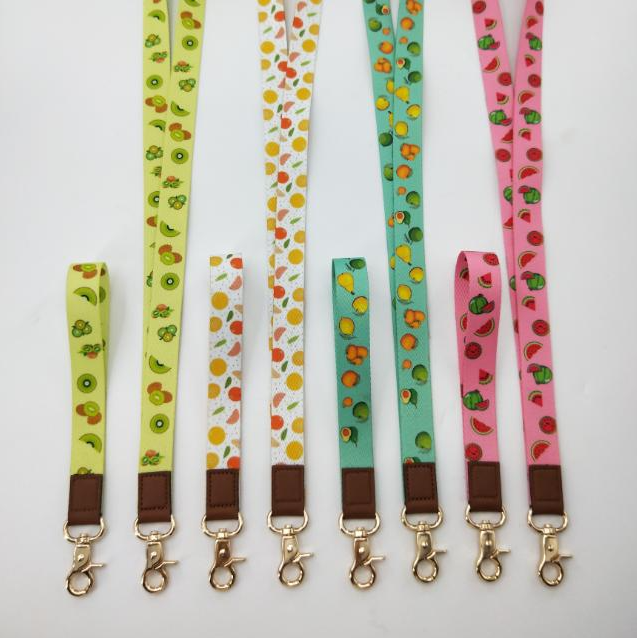
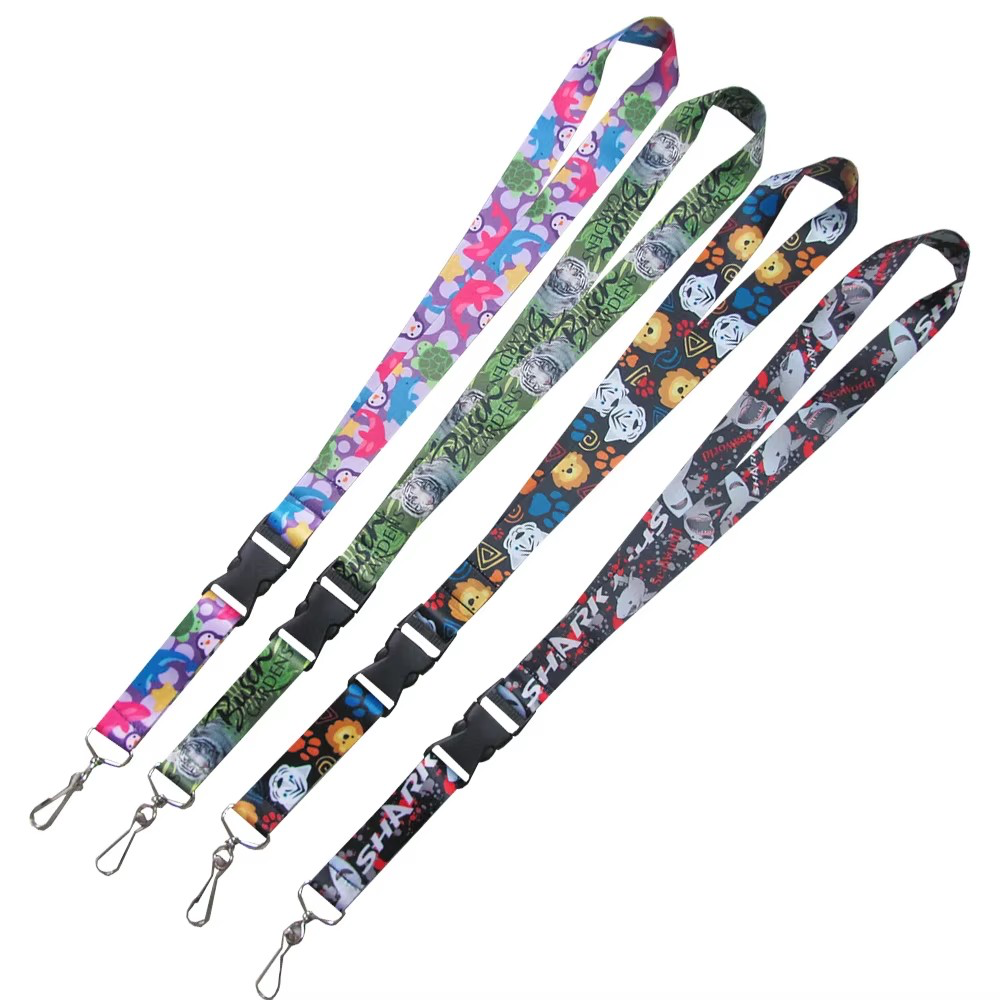
The real charm lies in how Chinese manufacturers have pushed the design envelope far beyond basic polyester straps. You'll find lanyards with detachable plush charms, glow-in-the-dark prints, embroidered patches, and even miniature pockets for earbuds or lip balm. The cartoon themes range from globally recognized franchises to homegrown internet memes, giving wearers a way to signal their tastes without saying a word. For many young professionals, swapping out a plain corporate lanyard for one featuring a sleepy capybara or a pixel-art dinosaur is a quiet rebellion against office monotony.
Beyond aesthetics, these lanyards often carry sentimental weight. They're gifted between friends as matching sets, collected at pop-culture events, or kept as souvenirs from a favorite city. The materials have also stepped up—soft woven fabrics, reinforced stitching, and breakaway safety buckles that don't sacrifice style. In a world where ID badges are mandatory but fashion is optional, the cartoon lanyard bridges that gap, turning a forgettable accessory into a conversation starter and a tiny emblem of identity.
From Blind Boxes to Lanyards: How Collectors Style Their Daily Carry
There is a quiet ritual in clipping a freshly opened blind box figure to a lanyard or backpack. It has less to do with chasing rare pulls and more with arranging a tiny portable lineup that matches the day. A sleepy cat figurine might sit next to a woven convention lanyard, the plastic charm swaying with every step, while a different day calls for a glossy robot next to a retractable badge reel.
Over time the lanyard stops being a plain ID holder and turns into a mini gallery rail. Acrylic stands get swapped for carabiner clips, plush keychains loop through belt loops, and enamel pins are threaded into the fabric itself. The whole setup becomes a movable shelf, inviting small talk in elevators, coffee lines, and office hallways. Each swap tells a slightly different story about what you are into right now.
Beyond Sanrio: China's Homegrown Cute Characters Taking Over Lanyards
Walk through any Chinese office building or university campus and the lanyards dangling from necks tell a quick story. For years, those straps were mostly a quiet advertisement for Sanrio — Hello Kitty, Cinnamoroll, Kuromi, the usual crew. But lately the plush charms and acrylic pendants clipped to them look different. Molly’s signature pout, Dimoo’s cloud-like hair, and Skullpanda’s moody stare are edging out the Japanese icons. It’s not a total takeover, but it’s close.
The shift isn’t just about novelty. Homegrown characters carry a different kind of appeal. They come from blind box culture, where the thrill of the unboxing and the chase for a rare figure spills over into everyday accessories. A lanyard becomes a tiny display case for a personality — a Skullpanda for the office cynic, a sweet Dimoo for the soft-spoken student. Plus, price matters. A POP MART plush pendant often costs less than a comparable Sanrio import, and it’s easier to find in local blind box machines or on Taobao without worrying about fakes.
Social media has sped things up. On Xiaohongshu, entire threads are devoted to “lanyard styling,” where users swap photos of their ID holders layered with mini plushies, acrylic charms, and handmade straps. Chinese brands like POP MART and 52TOYS have noticed, releasing lanyard-specific merchandise and even themed sets that match popular blind box series. The result is a quiet but visible shift: the cute characters hanging around Chinese necks are increasingly homegrown, and they’re not just cute — they’re a small act of cultural preference.
Soft, Glittery, and Slightly Unhinged: The Aesthetics of Cute Lanyards
There’s a specific kind of joy that comes from clipping a lanyard around your neck that looks like it was designed by a pastel-obsessed gremlin. The best ones aren’t just functional—they’re tiny wearable mood boards stitched with plush charms, iridescent beads, and the occasional squishy bear that stares into your soul. Softness here isn’t about muted minimalism; it’s about fuzzy textures, rounded edges, and color palettes that feel like a hug from a cartoon cloud.
Glitter gets a bad reputation, but on a cute lanyard it becomes a form of self-defense. A sprinkle of holographic sparkle catches office lights and turns a mandatory ID holder into something that refuses to take itself too seriously. Pair that with a slightly unhinged accessory—a plastic egg filled with googly eyes, a tiny hand flipping a peace sign, or a bell that jingles every time you walk—and suddenly the whole thing feels alive. It’s not just holding your keys; it’s announcing that you are the person who brought whimsy to the queue.
The unhinged part is what keeps it from tipping into saccharine territory. A lanyard that’s too perfect looks mass-produced, but one with a lopsided smiley charm, a cracked resin heart, or a cluster of mismatched beads feels personal. That tiny chaos makes the accessory feel less like merch and more like a tiny rebellion against the boring lanyard industrial complex. It’s soft, it sparkles, and it has a personality that might ask for a snack at 3 a.m.
Spotting Real vs. Bootleg Cute Lanyards: A Collector's Field Guide
The first red flag with bootleg lanyards is usually the print quality. Authentic releases from major brands tend to use crisp, high-resolution artwork where even tiny character details remain sharp. Counterfeits, on the other hand, often look slightly fuzzy or washed out, especially around the eyes or intricate patterns. Hold the lanyard at arm's length — if the design seems to blur or lose definition, you're likely dealing with a fake.
Another tell is the fabric itself. Licensed lanyards are typically made from a smooth, durable polyester that resists fraying and feels substantial between your fingers. Bootlegs often substitute cheaper, rougher material that can feel almost papery or overly slick. Run your thumb along the edge; if you notice loose threads, uneven stitching, or a plasticky sheen, that's a strong warning sign.
Pay attention to the metal clip and safety breakaway buckle. Genuine collectible lanyards from conventions or official shops usually feature sturdy, smoothly finished hardware with engraved or embossed logos. Bootleg versions frequently have flimsy, lightweight clips that bend easily, and the buckle may snap apart with almost no resistance. Sometimes the metal is painted rather than anodized, so scratches reveal a different color underneath.
Trading, Display, and the Social Side of China's Lanyard Scene
In China, lanyards have quietly turned into pocket-sized currency. Students swap school-issued straps like baseball cards, hunting for rare colors from top universities or limited runs handed out at tech conferences. The most sought-after pieces often come from events that never sell them publicly—only attendees leave with a strap that instantly signals insider status. Trading happens in stairwells, at lunch tables, and through group chats where photos of a newly acquired lanyard can trigger a dozen private offers within minutes.
Display matters just as much as the trade itself. A lanyard is rarely left plain; people clip on enamel pins, miniature plush toys, USB drives, or even tiny photos of pets. The strap’s color and pattern become a quiet form of self-expression, whether it’s a neon braided cord or a sleek woven ribbon from a luxury brand collaboration. On the subway or in a coffee shop, a quick glance at someone’s lanyard can reveal their school, employer, hobbies, or favorite game character without a single word exchanged.
The social side is where the scene really comes alive. Strangers bond over matching lanyards in elevators, and traders meet up outside station exits to compare collections face-to-face. Online forums organize themed lanyard walks, where people wear their rarest pieces to parks or shopping districts just to spark conversations. For many, the lanyard is less about holding an ID and more about finding your people in a crowded city.
FAQ
Most Chinese lanyards lean hard into “moe” culture with chunky, rounded character faces, pastel gradients, and 3D rubber charms. Instead of just holding an ID, they work like mini plush keychains you can wear. The clip hardware is often shaped like paws, stars, or even tiny rice bowls.
Right now it’s a mix of sleepy-eyed animals, food with tiny limbs, and nostalgic TV mascots redrawn in a soft, squishy style. Think pandas holding bubble tea, smiling dumplings, or lazy yellow chicks. Limited collabs with milk tea brands and convenience stores drive most of the hype.
Older lanyards used stiff polyester webbing and printed logos. Newer ones favor woven jacquard, silicone beads, detachable plush pendants, and even glow-in-the-dark threads. Many collectors pay extra for soft-touch PVC charms and safety breakaway buckles that feel more like toys than office gear.
Convenience store loyalty campaigns, bubble tea shop bundles, and anime convention booths are the main hunting grounds. Some collectors join WeChat groups or use Xianyu for aftermarket trades. Department stores in Shanghai and Guangzhou also get exclusive colorways that never show up online.
Look at the stitching around the edges - authentic ones usually have dense, even thread and no loose fibers. The charm should be firmly attached with a metal or thick nylon loop, not glued. Check if the plastic parts have a slight matte finish; cheap fakes tend to be glossy and smell strongly of chemicals.
Absolutely. Many people use them as bag straps, key holders, or camera wrist straps. The detachable plush charms often become zipper pulls. Because the clips are sturdy, some use them to hang small pouches or hand sanitizer bottles on backpacks.
Avoid rubbing the print with alcohol wipes and keep them out of direct sunlight for long periods. When not in use, store them flat in a drawer with acid-free tissue paper. For plush pendants, a gentle hand wash with cold water and mild soap works better than machine washing.
Trading is huge, especially for blind-box lanyards where you don’t know which character you’ll get. Collectors often meet at tea shops or stationery stores to swap duplicates. Some rare collab pieces are only obtainable through trade because the original bundles sold out within hours.
Conclusion
For collectors in China, a cartoon lanyard is rarely just a strap for holding an ID card. It’s a tiny, wearable shelf for vinyl toys and blind-box pulls, letting you clip a Dimoo or Molly figure next to your keys and transit pass. The habit borrows directly from the blind-box ritual, where you buy a mystery character and then build a whole daily carry around its color palette or facial expression. Homegrown mascots have edged out much of the Sanrio dominance, with indie illustrators and big toy studios releasing lanyard-specific charms that feel less like merch and more like a portable display case. The materials lean soft and squishy, with glitter-filled PVC and dangling acrylic pieces, giving even a work badge a slightly chaotic, tactile charm.
Bootlegs are common enough that serious collectors learn to check stitch density, the weight of the plastic clip, and the crispness of a character’s eye printing. A real lanyard often comes with a holographic sticker or a stamped metal buckle, while fakes feel flimsy and fade after a few weeks. Beyond the hunt, the social side is just as important, with trading duplicate charms at meetups, arranging lanyards on pegboards, and photographing daily-carry flat lays for group chats. This turns a simple office accessory into a small, ongoing conversation about taste, luck, and the joy of finding a rare colorway.
Contact Us
Contact Person: Bill Huang
Email: [email protected]
Tel/WhatsApp: 8613829102720
Website: https://www.dclanyard.com