Boost International Trade: Strategies for Optimizing Export Data Management in Global Business
2026-04-09
In today's rapidly evolving global marketplace, the ability to manage export data effectively has become a cornerstone of international trade success. Companies that harness accurate and timely export insights not only streamline operations but also unlock new growth opportunities and stay ahead of competitors. However, navigating the complexities of global data management can be daunting without the right strategies and tools. That's where innovative solutions like Tendata come into play—offering businesses a smarter way to optimize their export data processes. In this blog, we'll explore practical strategies to enhance your export data management, ensuring your business thrives on the world stage. From leveraging cutting-edge technology to adopting best practices, discover how you can transform data into a powerful asset for global expansion. Get ready to dive into actionable insights that will reshape your approach to international trade.
Navigating Export Data Frameworks for Global Expansion
When expanding your business internationally, understanding export data frameworks is crucial for seamless operations across borders. These frameworks, which include regulations, documentation requirements, and compliance standards, vary significantly by country and region. By mastering them, companies can avoid common pitfalls like customs delays, fines, or even legal issues that could derail expansion efforts. A proactive approach involves researching specific data needs, such as harmonized system codes or export licenses, to ensure that products move efficiently through global supply chains. This not only streamlines logistics but also builds trust with international partners and customers, setting the stage for sustainable growth.
One often overlooked aspect is the dynamic nature of export data frameworks, which frequently update in response to geopolitical shifts or trade agreements. For instance, recent changes in regional trade blocs like the EU or USMCA may introduce new data-sharing or reporting obligations. To navigate these complexities, businesses should leverage technology tools, such as digital platforms that automate compliance checks and track regulatory changes in real-time. Additionally, collaborating with local experts or legal advisors can provide insights into nuanced requirements, helping tailor strategies to each market. This adaptive mindset turns potential obstacles into opportunities for competitive advantage, ensuring that global expansion isn't slowed by bureaucratic hurdles.
Integrating export data frameworks into your overall business strategy goes beyond mere compliance—it's about enhancing operational efficiency and fostering innovation. By analyzing export data trends, companies can identify new market opportunities or optimize routes for cost savings. For example, data-driven insights might reveal untapped regions with favorable trade conditions or highlight inefficiencies in current processes. Ultimately, a well-navigated framework supports not only smoother expansion but also builds a resilient brand reputation, as stakeholders appreciate the diligence in adhering to international standards. Embracing this holistic view can transform regulatory challenges into a cornerstone for long-term success in the global arena.
Leveraging Data Analytics to Streamline Cross-Border Operations
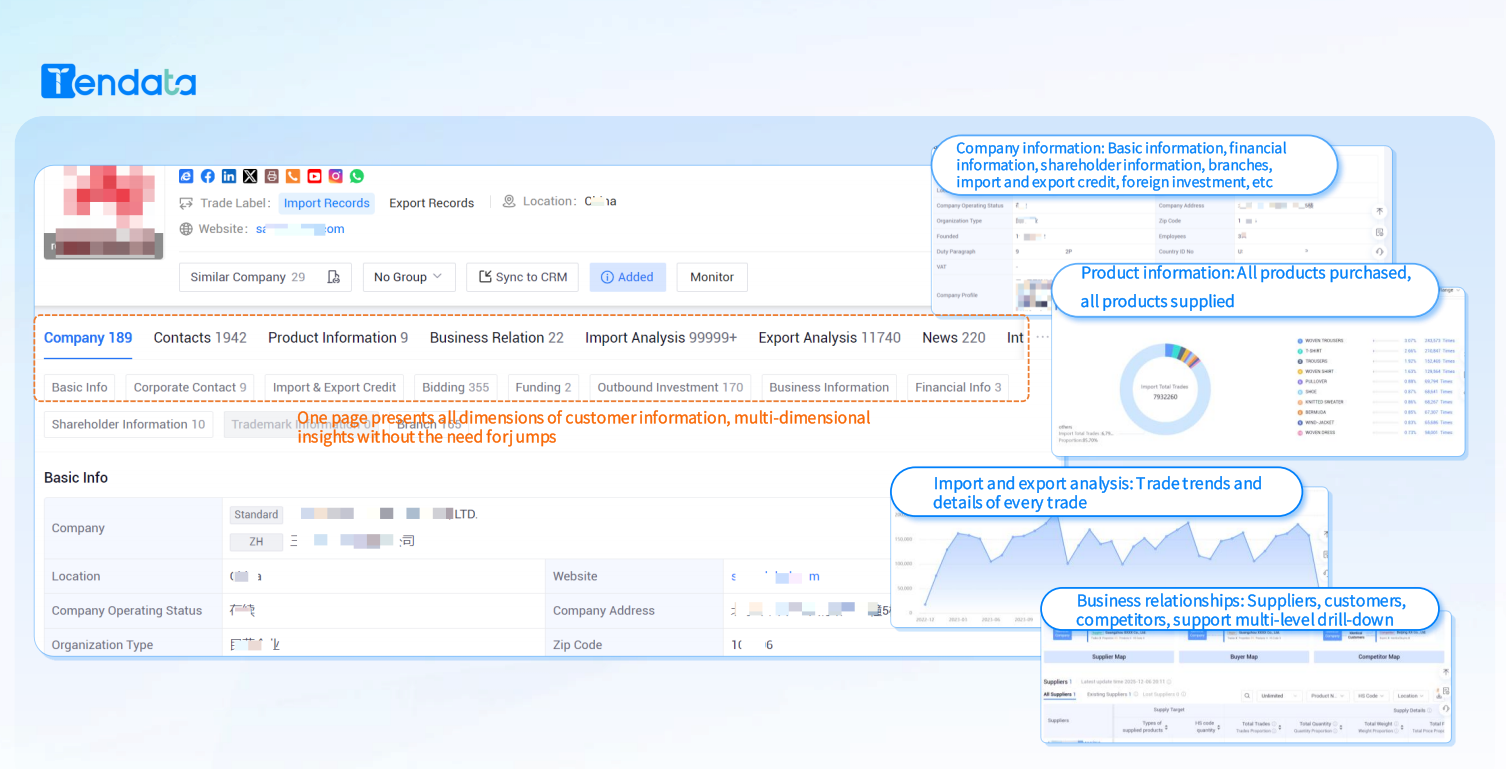
In today's globalized marketplace, businesses often struggle with the complexities of cross-border operations, from navigating customs regulations to managing supply chain delays. By harnessing data analytics, companies can transform raw data into actionable insights that reveal bottlenecks and inefficiencies. For instance, analyzing shipment tracking data helps pinpoint recurring delays at specific ports, enabling proactive rerouting and improved delivery reliability. This approach not only cuts costs but also enhances transparency, fostering trust with international partners and customers alike.
Advanced analytics tools like predictive modeling and machine learning can forecast demand fluctuations and currency risks, allowing firms to adjust inventory levels and pricing strategies dynamically. Rather than relying on static reports, real-time dashboards offer a live view of cross-border activities, empowering teams to make swift, data-driven decisions. This agility is crucial for adapting to sudden regulatory changes or market shifts, turning potential disruptions into competitive advantages and streamlining operations across borders more effectively.
Moreover, integrating analytics into cross-border processes encourages a culture of continuous improvement. By monitoring key performance indicators such as clearance times and logistics costs, organizations can identify best practices and replicate them globally. Collaborating with data-driven insights across departments—from finance to logistics—breaks down silos, fostering innovation and efficiency. Ultimately, leveraging data analytics doesn't just simplify operations; it builds a resilient, responsive framework that drives sustainable growth in international markets.
Implementing Automated Solutions for Efficient Trade Compliance
In today's global trade landscape, businesses often struggle with the ever-evolving web of regulations and compliance requirements across different jurisdictions. Implementing automated solutions for trade compliance isn't just about keeping up—it's about transforming a traditionally manual, error-prone process into a streamlined, proactive system. By leveraging technology, organizations can automatically screen transactions against updated sanction lists, calculate duties and taxes in real-time, and ensure documentation meets international standards without constant human oversight. This shift reduces the risk of costly penalties and delays while freeing up staff to focus on strategic initiatives rather than repetitive checks.
What sets modern automated trade compliance systems apart is their ability to integrate seamlessly with existing enterprise resource planning (ERP) and supply chain management platforms. Instead of operating in isolation, these tools pull data directly from shipping records, procurement systems, and financial databases to provide a holistic view of trade activities. They can flag potential issues before goods are even shipped, such as identifying restricted parties or detecting discrepancies in harmonized tariff codes. This proactive approach not only enhances compliance but also improves operational efficiency by minimizing last-minute corrections and avoiding shipment holds at customs.
Beyond mere rule-following, advanced automation introduces predictive analytics and machine learning to adapt to regulatory changes. When governments update trade agreements or impose new sanctions, the system can quickly incorporate these changes and adjust compliance protocols accordingly. This dynamic capability helps businesses stay ahead of the curve, turning compliance from a reactive burden into a competitive advantage. By reducing manual intervention and human error, companies can achieve greater accuracy, faster processing times, and more reliable audits—ultimately fostering smoother cross-border operations and stronger stakeholder trust.
Fostering Data-Driven Collaborations with International Partners
In an increasingly interconnected world, leveraging data has become a cornerstone of effective international partnerships. By adopting a data-driven approach, organizations can move beyond traditional diplomatic exchanges and tap into real-time insights that pinpoint shared challenges and opportunities. This method enables partners from diverse backgrounds to align their goals with precision, using analytics to drive decision-making processes that are both transparent and evidence-based. Such collaborations often result in more resilient strategies that adapt to global shifts, ensuring that all parties benefit from a deeper understanding of complex issues like climate change, economic development, or public health.
Building these data-driven alliances requires a foundation of trust and mutual respect, where partners agree on common standards for data collection, sharing, and analysis. Unlike generic cooperation frameworks, this model emphasizes the value of localized data, ensuring that insights are culturally relevant and contextually appropriate. For instance, joint initiatives might involve co-developing dashboards that visualize cross-border trends, or hosting workshops where teams exchange best practices in data governance. By focusing on actionable outputs—such as predictive models for resource allocation or collaborative reports on regional trends—these partnerships foster a sense of ownership and shared success, rather than one-sided data extraction.
Ultimately, fostering such collaborations can lead to innovative solutions that might not emerge in isolation. When international partners pool their data resources and expertise, they unlock new possibilities for tackling global challenges—from improving supply chain resilience to enhancing scientific research. This approach encourages a culture of continuous learning and adaptation, where data serves as a neutral bridge, facilitating dialogue even in politically sensitive areas. By embedding data-driven practices into the core of international engagements, organizations can create lasting impact, turning raw data into meaningful action that resonates across borders.
Enhancing Supply Chain Visibility Through Integrated Data Systems
In today's global marketplace, achieving real-time clarity across supply chain operations has become a critical competitive advantage, rather than just a logistical goal. Integrated data systems play a pivotal role in this transformation by consolidating information from diverse sources—such as IoT sensors, ERP platforms, and third-party logistics providers—into a unified digital framework. This consolidation enables companies to monitor inventory levels, track shipments, and predict disruptions with unprecedented accuracy, fostering a proactive rather than reactive approach to management.
Beyond mere data aggregation, these integrated systems leverage advanced analytics and machine learning to uncover hidden patterns and correlations that might otherwise go unnoticed. For instance, by analyzing historical shipment delays alongside weather forecasts and supplier performance metrics, businesses can dynamically adjust routes or inventory buffers, minimizing costly downtime. This deeper insight not only enhances operational efficiency but also builds resilience against unforeseen events, empowering stakeholders to make data-driven decisions that align with strategic objectives.
Moreover, the human-centric aspect of these systems cannot be overlooked, as they facilitate seamless collaboration across departments and external partners through shared dashboards and automated alerts. This transparency reduces communication silos, enabling faster responses to market changes or customer demands, ultimately driving customer satisfaction and loyalty. As supply chains grow more complex, investing in such integrated solutions isn't just about technology—it's about creating a cohesive, agile network that adapts to evolving challenges while maximizing value across the entire ecosystem.
Crafting Agile Strategies for Adapting to Dynamic Market Regulations
Navigating the ever-shifting landscape of market regulations demands more than just reactive measures; it requires a proactive, agile approach that embeds flexibility into the core of business strategy. By fostering a culture of continuous learning and real-time data analysis, companies can anticipate regulatory changes before they fully materialize, turning potential disruptions into opportunities for competitive advantage. This agility allows organizations to pivot quickly, ensuring compliance while maintaining operational efficiency and innovation momentum, rather than being caught off-guard by sudden policy shifts.
To truly craft agile strategies, businesses must integrate cross-functional teams that blend legal expertise with market insights and technological foresight. For instance, leveraging predictive analytics and scenario planning can simulate various regulatory outcomes, helping to identify vulnerabilities and craft tailored responses. This collaborative, data-driven method not only minimizes risks but also uncovers niches where regulatory changes might open new markets or demand innovative products, enabling firms to lead rather than follow in their industries.
Ultimately, agility in adapting to dynamic regulations hinges on building resilient systems that can scale and adapt without overhauls. By embedding modular processes and flexible resource allocation, companies can swiftly adjust to new rules without sacrificing long-term goals. This forward-thinking mindset transforms regulatory adaptation from a compliance burden into a strategic driver, fostering sustainable growth in an unpredictable global economy.
FAQ
Effective strategies include implementing centralized databases, automating data processes, adhering to international regulations, investing in data analytics tools, training staff on compliance, and leveraging cloud-based solutions for real-time accessibility and security.
Businesses can maintain accuracy by standardizing data formats, using automated validation tools, conducting regular audits, collaborating with local partners for verification, and keeping up-to-date with country-specific regulations and customs requirements.
Technology enhances optimization through automation of documentation, real-time tracking systems, cloud platforms for seamless data sharing, AI-driven analytics for risk assessment, and blockchain for secure and transparent transaction records.
Compliance minimizes legal risks and trade barriers; it's achieved by staying informed on global standards like GDPR or U.S. export controls, using compliance software, training teams, and engaging legal experts for guidance on regional laws.
Challenges include data fragmentation, regulatory complexity, high costs, and cybersecurity threats; solutions involve integrating systems, adopting scalable tech, budgeting for compliance tools, and implementing robust security protocols.
Small businesses can use affordable cloud-based platforms, partner with third-party logistics providers, focus on key markets to reduce complexity, utilize free compliance resources, and train employees on best practices for data handling.
Benefits include improved efficiency through streamlined processes, enhanced data consistency and accuracy, better compliance monitoring, cost savings from reduced errors, and increased scalability for expanding into new markets.
Conclusion
In an era where global business expansion is paramount, optimizing export data management emerges as a critical driver for boosting international trade. Navigating complex export data frameworks ensures compliance and smooth market entry, while leveraging data analytics streamlines cross-border operations by identifying inefficiencies and forecasting trends. Implementing automated solutions enhances efficiency in trade compliance, reducing manual errors and accelerating processes. Fostering data-driven collaborations with international partners builds trust and alignment, enabling seamless information exchange and joint strategic decisions.
Additionally, enhancing supply chain visibility through integrated data systems offers real-time insights into logistics, inventory, and demand, mitigating risks and improving responsiveness. Crafting agile strategies allows businesses to adapt swiftly to dynamic market regulations, maintaining competitiveness in fluctuating environments. By integrating these approaches, companies can transform data from a mere operational tool into a strategic asset, ultimately driving growth and resilience in the global marketplace. This holistic focus on data optimization not only supports export activities but also fosters long-term international success through innovation and adaptability.
Contact Us
Contact Person: Grace
Email: [email protected]
Tel/WhatsApp: +86 18721992033
Website: https://www.tendata.com