Best Q235 Steel Plate Supplier: Key Factors for Reliable Sourcing
2026-05-06
Sourcing Q235 steel plates that consistently meet your project’s demands is no small feat—quality discrepancies, delivery delays, and opaque supply chains can derail even the best-laid plans. But what if you could partner with a supplier that turns these challenges into guarantees? Sanhe Steel has built its reputation on just that: reliable, top-tier Q235 steel plates delivered with precision. In this guide, we’ll walk you through the key factors that separate a trustworthy supplier from the rest, so you can source with confidence.
Nailing Down the Specs: What Q235 Really Means
Q235 is a carbon structural steel grade widely used in China, defined by its yield strength. The number ‘235’ directly refers to the minimum yield point of 235 MPa when the steel is in its delivered condition, typically hot-rolled. This value is the cornerstone of its load-bearing capability in structural applications like buildings and bridges. Unlike higher-grade steels, Q235 balances strength with good weldability and formability, making it a practical choice for general fabrication.
The ‘Q’ stands for ‘Qufu’ (屈服), the Chinese term for yield, underscoring the steel’s performance focus. Within the Q235 family, quality grades—A, B, C, D—indicate increasing toughness and impact testing requirements. For instance, Q235A is the basic grade with no impact testing, while Q235D requires testing at -20°C. This grading system helps engineers pick the right variant based on service conditions and safety margins, ensuring the material performs reliably even in colder climates.
Chemically, Q235 is essentially a mild steel, with controlled amounts of carbon, manganese, silicon, and residual elements. Its composition allows for easy cutting, bending, and welding without special treatments, which contributes to its widespread use in manufacturing and construction. While it may not match the hardness of alloy steels, its predictability and ductility make it a go-to material for structures that need to withstand everyday stresses without failing. Understanding these specs helps clarify why Q235 remains a backbone of industrial steel supply.
Beyond the Sales Pitch: Assessing Real Production Muscle
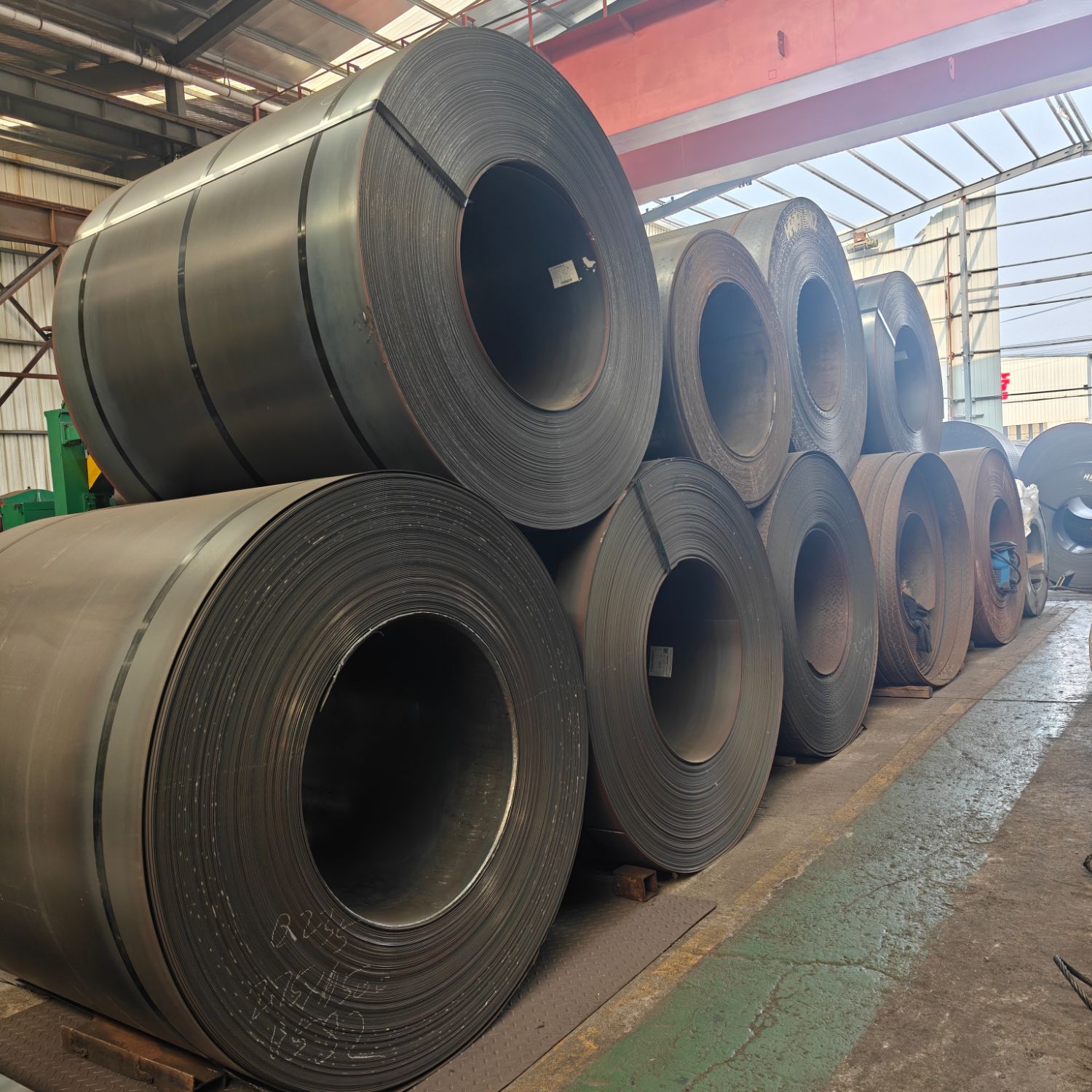
It’s easy to get swept up in a confident sales deck and a well-rehearsed tour of the factory floor. But the real story of a manufacturer’s capability lies beneath the surface—in the hum of equipment after hours, the condition of backup tooling, and how the team reacts when something inevitably goes wrong. I’ve learned to look past polished pitches and ask the uncomfortable questions: How old is that press line, and when was its last major overhaul? If your primary material supplier goes down, how many days until your output stalls? True production muscle isn’t built in a boardroom, it’s proven on the shop floor under pressure.
A walkthrough that only follows the cordoned-off visitor path tells you almost nothing. You need to linger near the maintenance bay, chat with the operators about their average overtime hours, and check if the raw material inventory actually matches the production schedule. I once visited a plant that bragged about five-axis capability, only to discover their sole competent programmer had quit three months earlier and the machine sat idle. Signs of hollow capacity are everywhere if you know where to look—expired certifications on calibration stickers, a stack of unsorted non-conformance reports, or a shipping dock that’s too quiet for the claimed output.
Real production muscle reveals itself in the unplanned moments: a rush order that gets absorbed without drama, a key machine that can be rerouted when another fails, or a veteran team that can switch product lines mid-shift without missing a beat. It’s not the glossy spec sheet but the scars from past challenges—the retrofitted guarding, the custom jigs built for impossible geometries, the shift notes that show consistent problem-solving. When I evaluate a supplier, I’m listening for stories of recovery, not just capacity numbers. Because in the end, it’s the difference between a promise and a proven track record.
Certifications That Actually Matter for Your Project
Not every badge on a resume or project page holds real weight. The certifications that truly matter are those tied to industry-wide standards, rigorous peer reviews, or demonstrable competence in critical domains. Look for credentials that require ongoing education, proctored exams, or hands-on project submissions—these signal genuine expertise, not just a weekend course completion.
In fields like project management, cybersecurity, and cloud architecture, certain certifications function almost as a universal shorthand. They tell clients and collaborators that you speak the same language, adhere to recognized frameworks, and can be trusted with complex deliverables. The right certification doesn’t just decorate your email signature; it changes how you approach problems and how others perceive your capability.
Ultimately, a certification’s value hinges on its alignment with your actual work. A niche credential that directly mirrors your project’s tech stack or methodology is far more meaningful than a generic, buzzword-heavy title. Seek out those that are maintained by active professional bodies and frequently updated—anything stagnant is a red flag. When you choose wisely, the certification becomes a living asset rather than a line item.
Logistics That Keep Your Schedule on Track
When every minute counts, the backbone of your operation isn't just speed—it's predictability. Our logistics framework is built around real-time route optimization that adapts to traffic, weather, and last-minute changes before they reach your doorstep. Instead of hoping for the best, you'll have a live dashboard that updates ETAs with granular accuracy, so your team can plan around arrivals rather than waiting for them.
We don't treat warehouse handling as a black box. By integrating RFID tracking and automated sortation systems, every package is scanned, sorted, and staged with a digital footprint you can follow from dock to dispatch. This visibility means you can reschedule deliveries on the fly, reroute inventory mid-transit, and avoid the domino effect of one delayed pallet halting your entire day's work.
What sets this apart is the human layer—dedicated coordinators who monitor your shipments and proactively alert you to disruptions, offering alternatives before you even notice a problem. It's not just about moving boxes; it's about removing uncertainty from your calendar so you can focus on the work that can't be automated.
Price vs. Value: Reading Between the Numbers
Most people glance at a stock's price and think they know what it's worth. But price is just a snapshot of market mood, a momentary agreement between buyers and sellers. Value, on the other hand, is what you’re actually getting for that price—the underlying earnings, assets, and growth potential that determine whether you’re making a smart purchase or chasing a fad.
Reading between the numbers involves digging deeper than the ticker. A cheap price doesn’t always mean a bargain, and a high price doesn’t always signal quality. You have to measure the gap: if a company generates consistent free cash flow yet trades at a discount to its intrinsic worth, you may have found something special. It’s about seeing the story beyond the decimal point.
The real skill is staying patient while the market catches up to value. Many investors panic when prices dip, but that’s often when true value becomes most visible. Understanding the distinction keeps you grounded, helping you avoid overpaying for hype or missing out on genuine opportunities hidden behind a seemingly unremarkable price tag.
Partnering for the Long Haul: Trust and Consistency
Anyone can make a great first impression. But the partnerships that actually last are the ones where both sides show up again and again, delivering on promises without fanfare. Trust isn’t a box you tick once—it’s a muscle you build every day through consistent action.
I've seen deals fall apart because someone got complacent after the contract was signed. The truth is, consistency matters more after the honeymoon phase. It’s in the unglamorous follow-through, the quick response to a late-night email, the willingness to go beyond what’s written down. That’s where real trust roots itself.
Long-haul partnerships thrive when both parties stop keeping score and start treating reliability as the default setting. When consistency becomes second nature, trust stops being a question mark—it becomes the quiet foundation you don’t even think about, until you realize you’ve been standing on it for years.
FAQ
Q235 is a carbon structural steel grade under the Chinese GB/T 700 standard, roughly equivalent to ASTM A36 or S235JR. It offers decent weldability and machinability, making it a go-to for general fabrication, building frames, vehicle chassis, and non-critical machine parts where moderate strength is enough.
If the supplier cuts corners on melt composition or rolling tolerances, your downstream processes can suffer—cracking during forming, poor weld quality, or unexpected corrosion. Reliable suppliers keep lot-to-lot variation low, so your production stays consistent without constant recipe adjustments.
Look beyond the basic ISO 9001. For Q235 specifically, mill test certificates (MTCs) to EN 10204 3.1 or 3.2 are crucial. If you’re in structural applications, certifications like CE marking or compliance with local building codes (e.g., CPR in Europe) add an extra layer of confidence.
Request production samples from different heats over a few months and test them yourself, or hire a third-party inspection agency to do random pulls from warehouse stock. Track key properties like yield strength, elongation, and chemical makeup—particularly carbon and manganese levels—to spot variability early.
If a mill runs near full capacity, your order might get deprioritized when demand spikes, causing late deliveries. A supplier with some buffer capacity and multiple production lines can absorb fluctuations better, and they’re usually more willing to handle mixed-size orders without excessive lead-time penalties.
Logistics delays and currency swings are the obvious ones, but also watch for plate straightness issues from long sea transit, preferential corrosion in humid climates if storage isn’t climate-controlled, and discrepancies between quoted thickness tolerance and actual delivered tolerance that only show up after customs clearance.
Start with a virtual tour of their facilities—if they hesitate, that’s a red flag. Then order a trial batch under strict inspection terms, and pay attention to how they handle packaging and documentation. Finally, check references from buyers in your own region; they’ll speak candidly about real service quality, not just sales pitch.
Conclusion
Finding a reliable Q235 steel plate supplier goes far beyond comparing spec sheets. Q235, as defined under Chinese GB/T 700 standards, specifies a minimum yield strength of 235 MPa, but real-world performance hinges on more than just numbers—it's about consistent melt practices, controlled rolling, and traceability from mill to delivery. A trustworthy supplier doesn't just talk specs; they open their books on production capacity, showing you rolling schedules, inventory buffers, and their ability to scale during peak demand. The right partner also holds certifications that align with your project's regulatory needs, whether that's ISO 9001 for quality management, CE marking for European projects, or classification society approvals for shipbuilding. Without these validations, even a correctly stamped plate can become a liability.
Logistics can make or break a supply chain, so evaluate how a candidate handles shipping, port operations, and just-in-time delivery. A supplier with dedicated logistics teams and a track record of meeting deadlines helps you avoid costly downtime. Price is important, but value is revealed in yield and processing efficiency—cheap plates that warp under welding or require rework eat into your margin. Over time, the best supplier relationships are built on trust earned through consistent quality, transparent communication, and a willingness to problem-solve when issues arise. This turns a transactional purchase into a strategic partnership that supports your long-term success.
Contact Us
Contact Person: Zoey
Email: [email protected]
Tel/WhatsApp: +86 15865577002
Website: https://www.sanhesteels.com