Best Phone Straps for Secure Grip and Hands-Free Use
2026-10-26
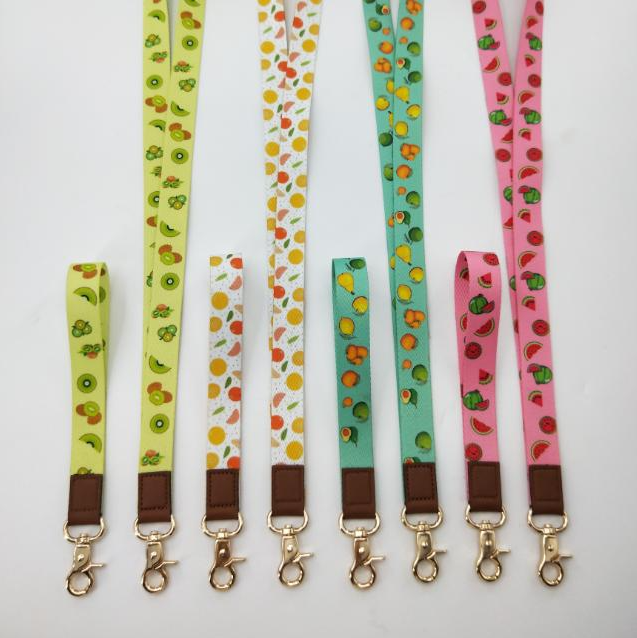
Your phone spends more time in your hand than almost anything else—so why does one accidental slip still feel inevitable? A reliable phone strap changes that, keeping your device secure during commutes, photo bursts, or multitasking. But not all straps are created equal. From adjustable lanyards to wrist loops, the right choice depends on your grip style and daily routine. In this guide, we break down top picks that actually deliver on comfort and durability. And if you're tired of flimsy options, DONGCHUANG has been quietly building straps that hold up to real life. Let's find the one that fits your hand—and your day.
The Hidden Annoyance a Good Strap Solves
You don't really notice a bad strap until you're twenty minutes into a walk and the same edge keeps biting into the same spot on your shoulder. Maybe it's a slow slide that forces you to hitch the bag back up every few steps, or a buckle that creaks with every swing. It's never a dramatic failure—just a constant, low-grade friction that chips away at your focus.
A good strap disappears. It spreads the load wide enough that you forget the weight is there, holds its length without slipping, and doesn't twist into a thin cord against your neck. The hardware stays quiet, the padding stays put, and the adjusters don't need a second thought. That's the difference: not a feature you show off, but an annoyance you suddenly stop having.
Most people only notice this after switching. The old strap's quirks had become background noise, so normal that they didn't register as problems anymore. Then the new one goes on and the shoulder stops aching, the bag stops drifting, and the whole carry feels calmer. It's a small fix that quietly removes a daily irritation you'd trained yourself to ignore.
Materials That Survive Keys, Pockets, and Rain
Most bags fall apart at the seams long before the zippers give out, but the real culprit is rarely the stitching—it's the material itself. Cheap nylon frays when a key ring scrapes across it in a cramped pocket, and polyester coatings crack after a season of surprise downpours. What you want is something with a tight, abrasion-resistant weave like Cordura or ballistic nylon, which shrug off sharp edges without turning fuzzy. Add a polyurethane backing or a silicone finish and rain stops soaking through the fabric, instead beading up and rolling off. It’s the difference between a pack that looks wrecked after one commute and one that still holds its shape a year later.
Keys are the silent destroyers of everyday carry. They poke, scratch, and grind against whatever shares their space, so the material needs more than surface toughness—it needs give. Waxed canvas, for example, develops a patina under constant friction, but the wax redistributes rather than wears away, keeping fibers intact. Synthetic blends with a little elastane stretch just enough to absorb impact from a jagged key edge without tearing. The trick is avoiding stiff, brittle fabrics that resist bending right up until they split. A material that flexes under pressure will outlast one that simply looks thick.
Rain is the final test, and not all waterproofing is equal. Rubberized shells keep water out but trap sweat in, leaving you damp anyway. Better choices are dense micro-weaves treated with a durable water repellent that lets vapor escape while stopping droplets. You’ll know the material is right when water forms tiny spheres on the surface instead of dark wet patches. Over time, that repellent fades, but the base fabric should remain water-resistant enough to handle a dash through a storm. The goal isn’t to stay bone-dry in a monsoon—it’s to make sure a sudden shower doesn’t turn your bag’s contents into a soggy mess.
Three Carry Styles Tested in Real Life
I spent a full week hauling the same daily essentials in a crossbody bag just to see if the convenience held up outside a showroom. The strap stayed put while I sprinted for a bus, and the weight sat close enough to my torso that I forgot it was there until I needed my wallet. The only real annoyance came when I tried to dig out my keys while wearing a thick coat—everything shifted sideways and I had to stop walking.
Next I switched to a waist pack, the kind that used to get mocked but now shows up in every other street style photo. I wore it slung across my back for a Saturday market trip and then around my front for a short hike. It kept both hands free and didn't bounce, but the main compartment maxed out faster than expected. Bending down to tie my shoes also meant the buckle dug into my stomach, which got old by the afternoon.
The third round was a classic shoulder tote, the default for anyone who needs to carry a laptop plus a water bottle plus a layer. It swallowed everything I threw at it and looked fine in a coffee shop, but after forty minutes of walking the strap started to bite into one shoulder. I kept switching sides without thinking, and by the end of the day my neck felt noticeably tighter. For short trips it's still the easiest grab, but I wouldn't pick it for a full day on my feet.
Why Most People Choose the Wrong Length
Length feels like the simplest decision until you actually have to make it. Most people grab a size based on a vague memory of what used to fit or what a friend recommended, without ever measuring the space where the item will live. That's how you end up with a curtain rod that barely stretches across the window or a necklace that sits at an awkward spot on your collarbone. The wrong length isn't usually about bad taste—it's about guessing instead of checking.
Another common trap is treating length as a purely visual choice. We see a photo online or a mannequin in a store and assume that exact proportion will translate to our own body or room, but it rarely works that way. Your height, your furniture scale, even the height of your ceilings all shift what looks right. What flatters a six-foot model can drown someone a foot shorter, and a runner that looks perfect in a catalog bedroom might leave your hallway feeling cramped.
There's also the pressure of what's trendy. People pick a length because it's everywhere on social media, not because it actually suits their build or their space. Wide-leg pants that puddle on the floor, sleeves that swallow your hands, a table runner that overhangs by a mile—these are often just borrowed looks that ignore basic fit. The real fix is boring but true: measure what you already own that feels right, and use that number instead of chasing a look that was never designed for you.
Secure Enough for Concerts, Discreet Enough for Meetings
You're three rows from the stage, bass thumping through your chest, and the last thing you want is to worry about your hearing—or your earbuds slipping out mid-song. That's where the balance hits: a snug, almost locked-in fit keeps everything stable no matter how much you move, while the sound shaping trims the harsh peaks without flattening the live energy. It's not about blocking the night out; it's about letting you lean in without ringing ears the next morning.
Then Monday rolls around and the same pair disappears under a collar or tucks neatly into a pocket before you walk into a client meeting. The profile sits low, nothing flashy, and the moment you need them for a quick call or a bit of focus music, they're there—but never the center of attention. No one notices, which is exactly the point. You get the utility without the tech gadget stare.
It's rare to find something that feels equally right in a sweaty crowd and a quiet boardroom. But when a design understands that different moments need different kinds of confidence—bold enough to stay put through an encore, subtle enough to vanish in a handshake—it stops being a compromise and starts being the default choice.
Upgrading Your Phone Setup Without Extra Bulk
Slimming down your phone setup usually starts with the stuff you lean your phone against. Skip the chunky desktop stand and grab a thin magnetic kickstand ring that sticks right onto the back of your case. It tucks away nearly flat, yet still props your phone up for video calls or reading while you eat lunch. If you use a phone grip, pick one with a built-in card slot for your transit pass or ID and leave the extra wallet at home.
Cords are the real space hogs in most bags. Swap your long, tangled cables for one short braided cable that folds flat, or go with a portable charger that has its own cable built into the body. Wall plugs with fold-out prongs slide into a jeans pocket without poking through the fabric. If you charge multiple devices, a tiny two-port adapter beats carrying two separate bricks.
The case on your phone also adds more thickness than you might notice. Look for a slim aramid fiber or hard polycarbonate case instead of a bulky silicone bumper. It still survives everyday drops but adds only about a millimeter. Pair that with a low-profile earbuds case that supports the same wireless charging pad you already use, and you can drop one more cable from the daily pile.
FAQ
You'll want something with a textured or padded surface that creates friction against your fingers. Look for straps made from nylon webbing or silicone with a grippy finish. A wider strap distributes pressure more evenly, so your hand doesn't cramp during long calls or photo sessions.
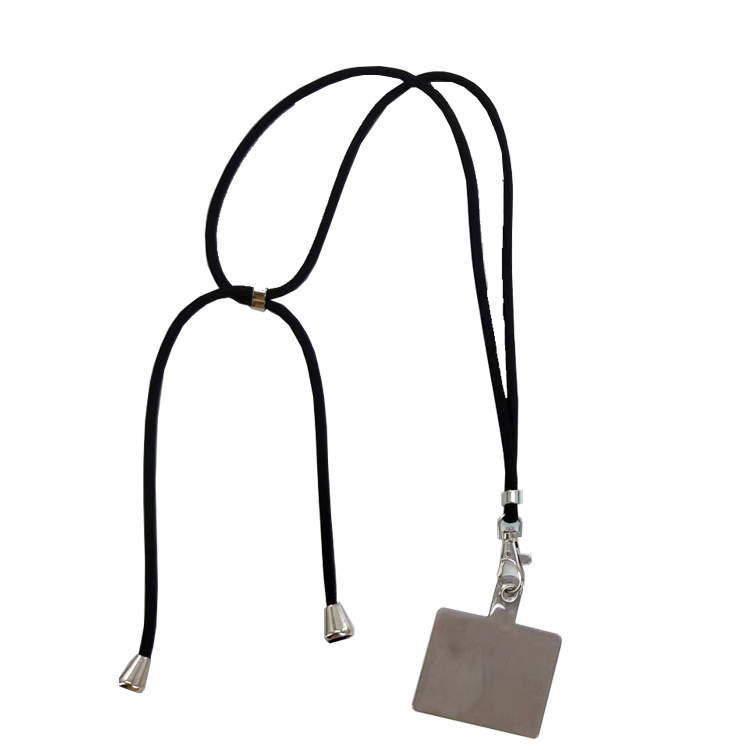
Yes, many designs use a small anchor tab that slides into the charging port or adheres to the back of your case. Some straps attach to the case's lanyard holes if it has them. If you switch cases often, a stick-on anchor with a strong adhesive is usually the most adaptable.
Definitely. Look for crossbody straps or adjustable lanyards that let you wear the phone around your neck or across your body. For biking, a strap with a quick-release buckle is handy so you can detach the phone quickly when you need to take a shot. Make sure the strap length is long enough to reach your eye level without straining.
Most modern straps come with thin anchor tabs that fit through the charging port opening. You insert the tab, then plug in your charger as usual—the tab stays in place. Some kits include adhesive anchors that stick to a smooth case surface. Just clean the surface thoroughly before applying, and give the adhesive 24 hours to set before relying on it.
It depends on your habits. Wrist straps are great for quick access and prevent accidental drops when you're juggling keys or shopping bags. Neck straps are better if you need both hands free often, like when cooking from a recipe or taking notes. A hybrid design with a detachable wrist loop and an extender gives you both options.
Nylon and polyester webbing are tough and resist fraying, while silicone offers a soft, grippy feel but can stretch over time. Leather straps look polished but need occasional conditioning. Avoid thin cotton or decorative cords—they may look cute but snap under pressure. Reinforced stitching at attachment points is a good sign of quality.
If the anchor tab sits in the charging port, it won't block wireless charging since the coil is on the back of the phone. However, a thick adhesive anchor on the back might create a small gap that reduces charging efficiency. Choose a strap with a slim anchor or one that positions the anchor near the bottom edge to keep the charging area clear.
Most nylon and silicone straps can be washed with mild soap and warm water. Gently scrub with a soft brush, then air dry completely before reattaching. For leather straps, wipe with a damp cloth and apply a leather conditioner sparingly. Avoid soaking any strap with metal hardware for long periods to prevent rust.
Conclusion
Dropped phones rarely happen when you're sitting still; it's the half-second juggle of coffee, keys, and a door handle that sends a device to the pavement. The hidden annoyance a good strap solves isn't just breakage risk—it's the constant low-grade tension of keeping your phone from slipping out of a pocket or a too-smooth case. Materials matter more than most buyers expect. A strap that survives keys, pockets, and rain needs a tight weave or full-grain leather, not the soft polyester blend that frays after two weeks in a jeans pocket. Metal clips should be rust-resistant, and stitching should lie flat so it doesn't snag on earbud cords. Most people also choose the wrong length. A crossbody strap that's too long lets the phone swing against your hip with every step; too short and it rides up under your arm, making it useless for quick glances. Adjustable sliders solve this, letting you shift from over-the-shoulder to around-the-neck without buying a second strap.
Real-life testing of three carry styles reveals clear winners. A wrist loop works well for quick checkouts and crowded sidewalks but fails when both hands are full. A neck strap keeps the phone close for constant access, yet it bounces during fast walking and feels too casual for work settings. The crossbody style strikes the balance: secure enough for concerts where a loose grip means a lost phone, and discreet enough for meetings when you tuck the strap inside a blazer or let it rest under a collar. The best straps don't demand a bulky case. Thin anchor tabs slide between your phone and an existing slim case, adding no noticeable thickness. Some cases now include reinforced lanyard holes, so you can attach the strap directly. This upgrade removes daily friction without turning your phone into a gear-heavy tool. It's a small accessory shift that quietly eliminates the two-second panic of an empty pocket.
Contact Us
Contact Person: Bill Huang
Email: [email protected]
Tel/WhatsApp: 8613829102720
Website: https://www.dclanyard.com